Beyond the Tariff Wall: India’s Seafood Industry Faces a Critical Credibility Test
India’s rising export champion faces a critical credibility test
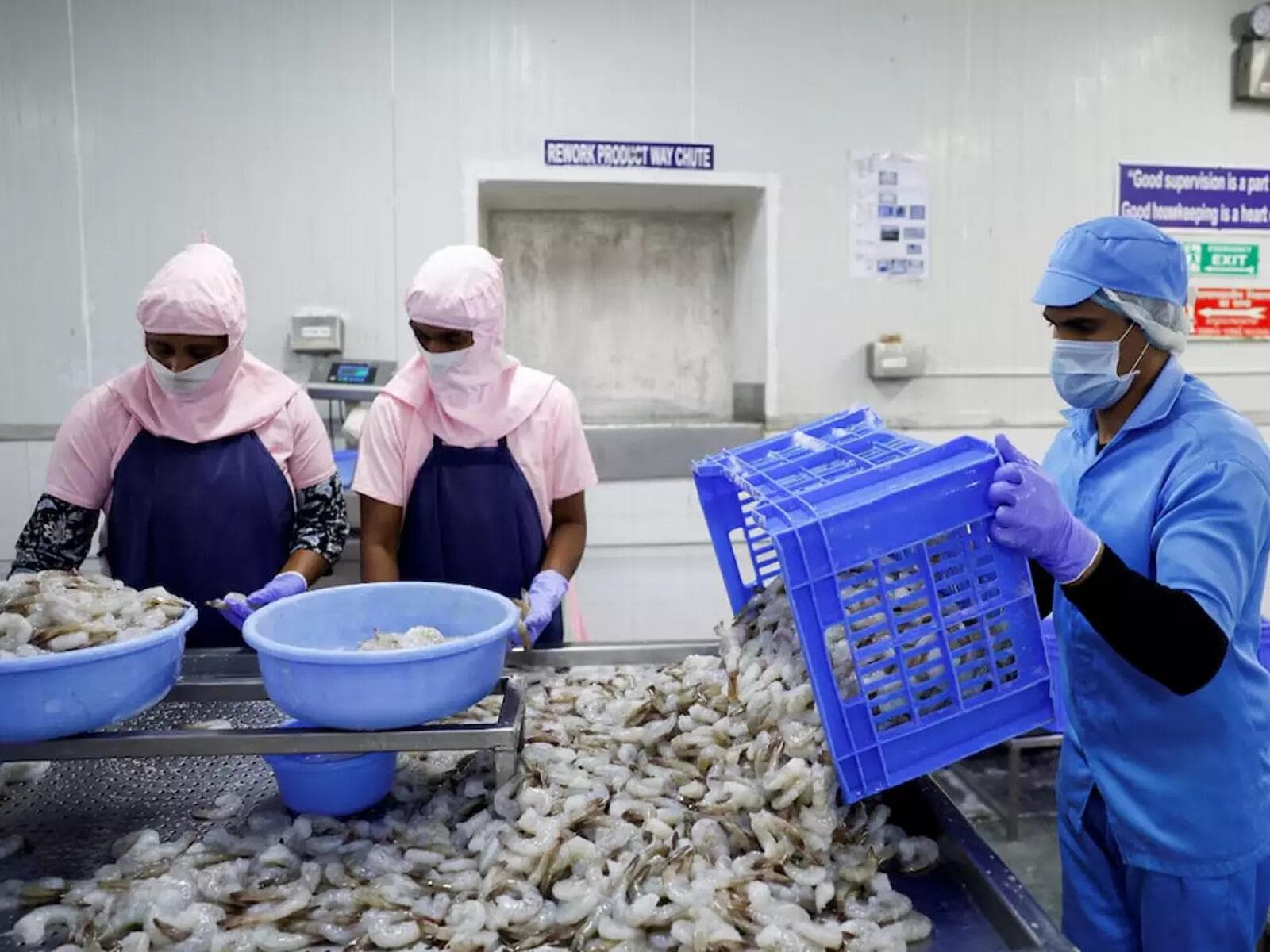
Record-breaking earnings and successful market diversification have propelled India’s seafood sector to new heights, yet rising concerns over quality standards threaten to stall its ambitious long-term growth trajectory.
The Indian seafood industry has emerged as a resilient powerhouse, successfully pivoting away from its heavy reliance on the American market in the face of daunting trade barriers. After the United States imposed cumulative tariffs reaching 55.8% in 2025—a move that threatened to cripple the shrimp-heavy export hubs of Andhra Pradesh—the sector managed a surprising recovery. By aggressively diversifying into China, the European Union, Australia, and Russia, the industry posted record exports of $8.46 billion in FY26, comfortably eclipsing the $7.45 billion figure from the previous year.
A Strategic Pivot Amidst Volatility
The government’s current vision for the sector is nothing short of transformative, with officials aiming to reach $30 billion in seafood exports within the next five years. To achieve this 2.5-fold growth, the industry has shown remarkable agility. When US demand dipped, domestic exporters shifted their focus, leading to a 22.7% surge in value terms for shipments to China. Furthermore, the reopening of Australian markets to unpeeled prawns after an eight-year hiatus and renewed regulatory compliance in the EU have provided the necessary cushion to offset the volatility of the US market.
The Residue Risk
Despite this impressive volume growth—which hit 1.97 million metric tonnes in the last fiscal year—a significant hurdle remains. Recent data indicates that rising rejection rates, primarily driven by the detection of banned antibiotic residues in shrimp, are casting a shadow over the industry’s reputation. While the volume of trade is rising, international buyers are becoming increasingly stringent. For a nation positioning itself as a global leader in marine products, these quality issues represent a structural bottleneck that could undo the hard-won gains of the past eighteen months.
Sustaining the Momentum
Maintaining global trust is now as vital as finding new market access. While the government and private exporters have successfully navigated tariff shocks, the current credibility test requires a shift from quantity-led growth to a more robust quality-assurance framework. As the industry scales up to meet its ambitious multi-billion dollar targets, the ability to eliminate contaminants and adhere to international food safety protocols will determine whether India can truly dominate the global seafood landscape or if it will continue to be hampered by regulatory scrutiny in its most lucrative markets.
The PoliticalPedia Editorial Desk brings verified, sourced political news and analysis from across India.