Beyond the Seawall: Navigating India's Climate Adaptation Dilemma
Caught between concrete and panic, India should not maladapt to climate change
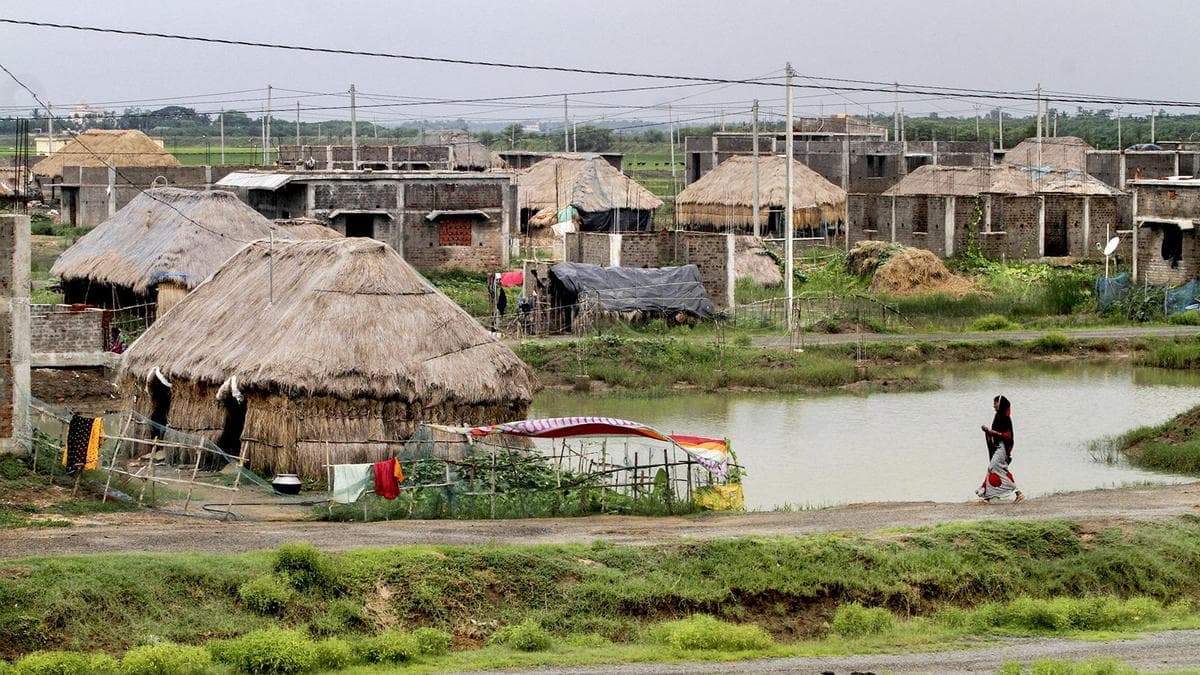
As rising seas and extreme weather threaten the nation’s future, the debate over whether to build protective barriers or retreat inland intensifies.
India stands at a critical juncture in its battle against a changing climate. With over 7,500 km of coastline and millions of residents inhabiting low-lying regions, the nation is increasingly caught between two difficult choices: investing in massive engineering projects to hold back the sea or planning for a managed retreat. While some developed nations advocate for relocation, many South Asian governments have historically favored building concrete barriers to shield their territory.
The Engineering Off-Ramp
There is a growing argument that India possesses a "developmental right" to utilize engineering solutions as an off-ramp, much like it has advocated for the continued use of fossil fuels to ensure economic stability. Proponents suggest that building infrastructure provides essential time for the country to transition without sacrificing the economic well-being of its population. However, this approach carries a significant risk of maladaptation—a trap where short-term fixes exacerbate long-term vulnerabilities.
The danger lies in how these resources are allocated. If government-led engineering is used primarily to protect luxury real estate or reclaimed urban land, it risks diverting vital protection away from the most vulnerable communities. Historical precedents illustrate the potential for disaster; projects like Nigeria’s "Great Wall of Lagos" have been shown to protect high-end financial districts while simultaneously accelerating coastal erosion in neighboring, lower-income areas. Similar challenges have been observed in Vietnam, where extensive dike systems intended to protect agricultural lands have inhibited natural sediment deposit, causing the Mekong Delta to sink faster than sea levels are rising.
Economic and Environmental Stakes
The urgency of the situation is underscored by recent reports from the Asian Development Bank, which warn that India could face a staggering 24.7% GDP loss by 2070 if current climate trends continue. The projected impacts are severe: extreme heatwaves are expected to double in frequency across major cities like Mumbai, Delhi, and Chennai by 2030, while agricultural yields for staples like wheat and maize could plummet by as much as 45% and 20%, respectively.
Beyond the coast, the nation is grappling with the "double whammy" of erratic monsoons and intense heat. From the recurring floods of the Kosi river to the devastating landslides in regions like Wayanad, it is clear that seasonal disasters are evolving into permanent climate alarms. The threat to biodiversity is equally stark, with projections indicating that the Sundarbans mangrove forests could lose 80% of their area by the end of the century, removing a natural barrier that currently protects the hinterland from cyclones.
A Third Way Forward
To avoid the maladaptation trap, experts suggest that India requires an unarticulated third path—one that balances essential infrastructure with sustainable, long-term resilience. Relying solely on concrete walls is not a viable strategy for permanence. Instead, the focus must shift toward comprehensive climate laws and localized adaptation planning that prioritizes the most at-risk populations. As India moves forward, the challenge will be to ensure that its development strategies do not inadvertently compound the very catastrophes they seek to prevent, securing a future that is both economically sound and environmentally resilient.
The PoliticalPedia Editorial Desk brings verified, sourced political news and analysis from across India.