Beyond the Pit: Why India is Betting ₹4 Lakh Crore on Coal Gasification
Centre bets big on coal gasification; targets ₹4 lakh cr investment, ₹3 lakh cr savings, 1 lakh jobs
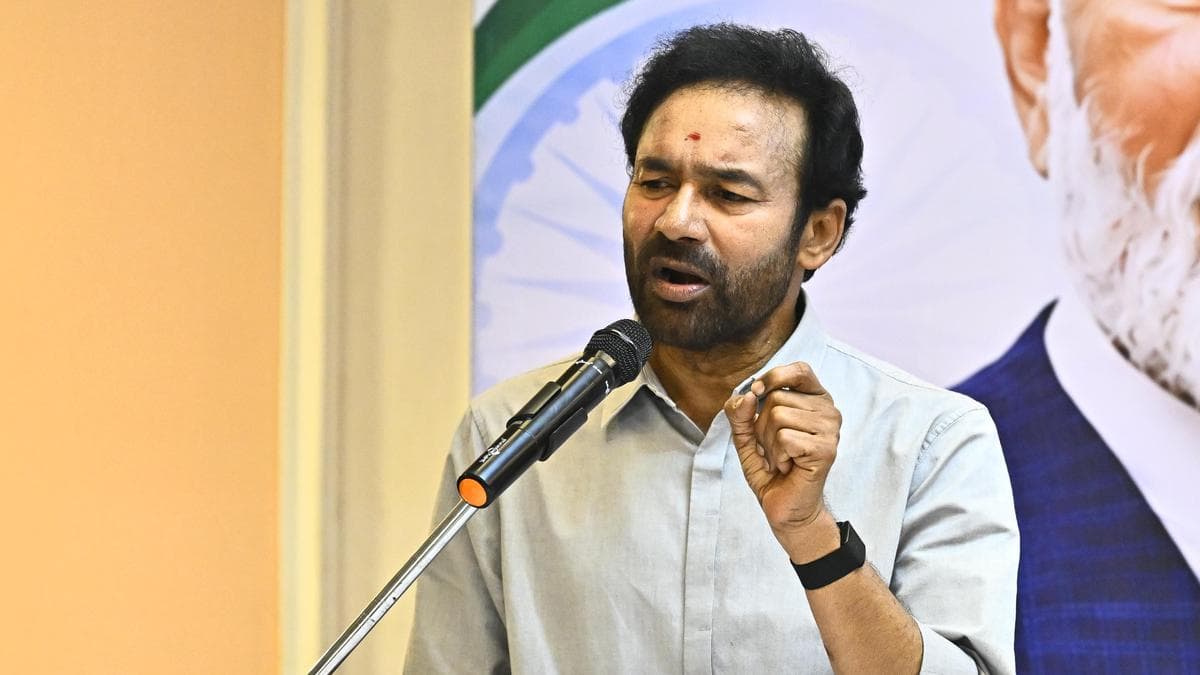
The Union Ministry of Coal has launched an ambitious push to pivot from traditional mining to high-value gasification, aiming to slash import bills and energise the industrial sector.
India’s coal narrative is shifting. While the black rock has long been synonymous with power plants and soot-stained rail wagons, the Centre is now looking to refashion it into the backbone of a cleaner, more diversified chemical industry. Union Minister G. Kishan Reddy, speaking at a recent press briefing, outlined a roadmap to attract ₹4 lakh crore in investments through coal gasification—a process that converts coal into syngas to produce ammonia, methanol, and hydrogen.
The math behind the move is stark. By pivoting toward domestic gasification, the government estimates a potential saving of ₹3 lakh crore in foreign exchange. It is an aggressive play to reduce the country’s heavy dependence on imported energy and feedstock. To jumpstart this transition, the Ministry has already set aside 100 million tonnes of coal specifically for gasification projects, backed by incentives totalling ₹46,000 crore.
The Strategy: Surface and Underground
The push isn't just about surface-level processing. With India holding the world’s fifth-largest coal reserves, the government is eyeing "deep-seated" deposits that are notoriously difficult to extract using conventional mining. Underground coal gasification offers a way to tap into these buried resources, effectively turning unmineable seams into industrial assets.
To maintain momentum, the Ministry has launched a series of roadshows across the country—starting in Delhi, moving to Hyderabad, and heading to Mumbai next. It is a clear signal to private players that the red tape is being trimmed. According to the Minister, the sector has already seen a 4% dip in imports over the last year, saving the exchequer nearly ₹60,000 crore, thanks to more transparent auctions and policy reforms.
A Greener Mining Footprint?
Critics have long pointed to the environmental scars left by the coal industry. In an effort to address this, the government is pushing ahead with the closure and land reclamation of 147 abandoned mines by 2028. The plan involves local committees and voluntary organisations in 600 districts to monitor the transition, with some former pits being repurposed into solar parks or water bodies. While the scale of the task is massive, the Ministry insists that commercial mining is not just about output—which has crossed one billion tonnes—but about sustainable land management.
Why it Matters
The bigger picture here is India's desire to insulate its economy from global supply chain shocks. By creating a domestic value chain for petrochemicals and fertilisers, the Centre is trying to turn a traditional commodity into a high-tech industrial input. If successful, this dual-track approach—increasing commercial mining output while simultaneously cleaning up the legacy of past extraction—could redefine the economic geography of India’s coal belts. However, the real challenge will be execution; converting policy intent into the promised one lakh jobs and industrial hubs requires navigating complex environmental clearances and convincing private investors that the long-term returns outweigh the capital-intensive nature of gasification technology.
World Desk at PoliticalPedia covers global affairs for an Indian audience in English and Hindi.