As Iran-Israel Conflict Escalates, Oil Nears $100 and LPG Prices Rise Again in India
Oil Nears $100 As Iran-Israel Conflict Escalates, LPG Prices Rise Again In India
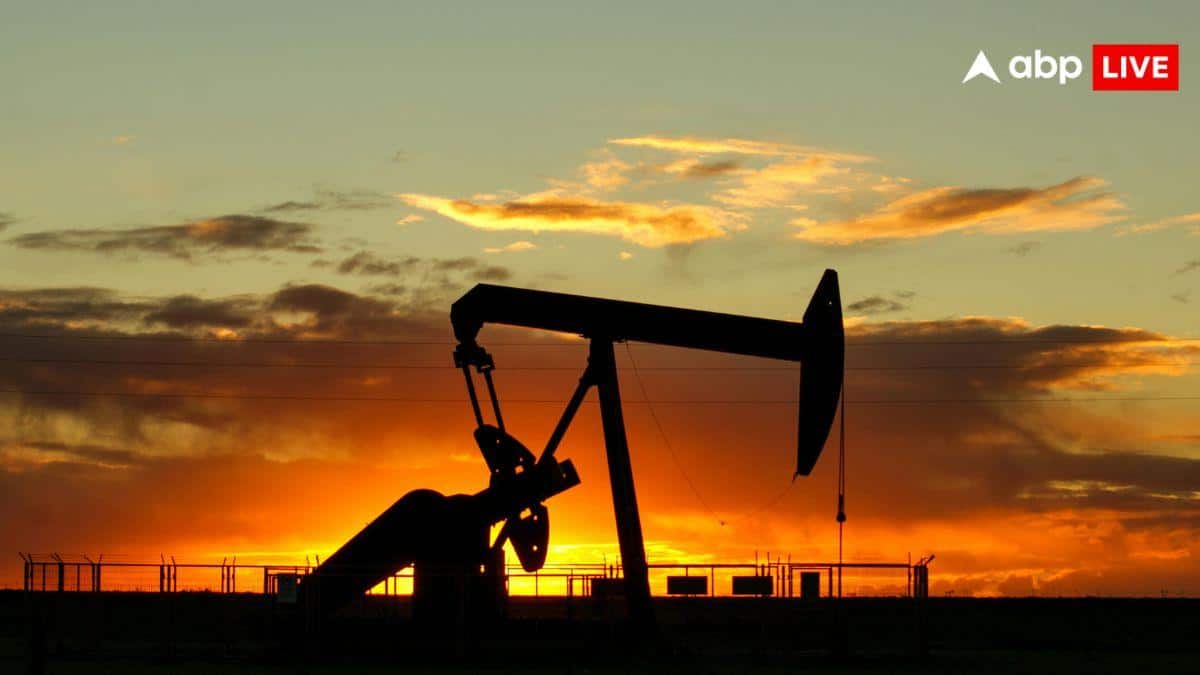
Global energy markets are in turmoil as the latest flare-up in West Asia threatens the critical Strait of Hormuz, putting pressure on India’s domestic fuel costs and economic stability.
The screens at the local petrol bunk tell a story that the evening headlines are now confirming: uncertainty is back, and it is expensive. With Brent crude nudging closer to the $100-per-barrel mark after a sharp 4% jump in early trading, the ripple effects of the escalating Iran-Israel conflict are no longer just a distant geopolitical concern—they are hitting home. As Tehran’s latest missile strikes shatter the thin veneer of a ceasefire, the global market is bracing for a sustained supply crunch.
For India, a country that imports the vast majority of its crude requirements, the timing could not be worse. The immediate impact is already visible in our wallets; LPG prices rise again in India, and the cost of premium petrol and diesel has begun a steady creep upward. While the government has attempted to hold retail fuel prices steady to buffer the common man, the mounting losses for oil marketing companies (OMCs) suggest that this balancing act is becoming increasingly difficult to maintain.
The Hormuz Chokepoint
At the heart of this volatility is the Strait of Hormuz. This narrow waterway is the world's most critical energy artery, with nearly one-fifth of global oil shipments passing through it daily. With Iran signaling the possibility of closing or disrupting this route, traders have effectively priced in a "war premium." The skepticism among analysts is palpable—many believe that a lasting resolution is nowhere on the horizon, meaning the volatility we see today is likely to linger.
The markets have responded with characteristic nervousness. Beyond the fuel pumps, the broader Indian economy is feeling the tremors. Stock markets have reacted sharply, with the Sensex and Nifty facing significant sell-offs as investors scramble to reassess the risk to growth. When global oil prices surge, they do more than just make commuting costlier; they threaten to stoke inflation and widen the fiscal deficit, challenging the "Goldilocks" scenario many economists had projected for the country’s growth.
The Bigger Picture
Why does this matter? For a developing economy like India, energy is the baseline cost for everything—from the logistics that move our vegetables to the electricity that powers our small businesses. When the Middle East catches a cold, we don’t just sneeze; our entire supply chain risks a fever. The core issue here is not just the immediate price per barrel, but the systemic vulnerability of relying on a region where the geopolitical temperature can shift overnight.
While the government continues to work on securing alternative supplies, the reality remains that we are heavily exposed to the whims of international conflict. Moving forward, the focus is likely to shift from mere price management to long-term energy security. As the world watches the Strait of Hormuz, the message for domestic policy is clear: in an era of global instability, the quest for energy independence is no longer a choice—it is a necessity for fiscal survival.
Features Desk at PoliticalPedia covers culture, tech & life for an Indian audience in English and Hindi.