Beyond Prayer: How Hyderabad’s Masjids Are Bridging the Education Gap
Masjids turn learning hubs: innovative education initiative empowering local students
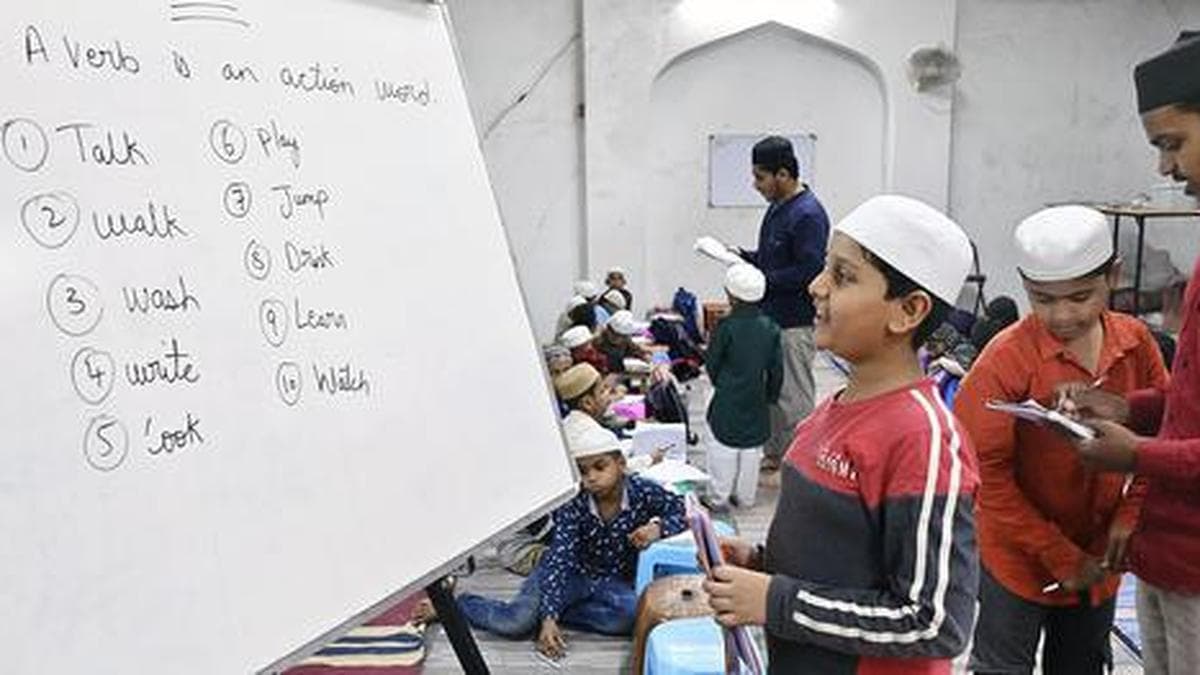
A grassroots initiative is transforming local places of worship into free tuition centres, providing essential academic support to thousands of underprivileged students across Telangana.
In the bustling lanes of Akbarnagar, the rhythm of daily life is shifting. As the sun begins to dip and the call for Asr prayers echoes, the local masjid undergoes a quiet metamorphosis. Once the congregational prayers conclude, the prayer carpets are joined by small study tables, and the space transforms into a vibrant classroom. This initiative, spearheaded by The Quran Foundation (TQF), is redefining the role of religious spaces by turning them into after-school learning hubs for children who otherwise lack access to quality academic support.
Empowering Students Through Free Education
The project, which launched in 2021, currently supports approximately 2,500 students across a network of 50 masjids in Telangana. Syed Munawar, an IT professional and general secretary of TQF, notes that the programme was designed to provide a robust academic foundation for children from low-income families. For many parents working as gig workers or skilled labourers, the cost of private tuition is prohibitive. By utilizing these existing community spaces, TQF provides free instruction in mathematics, science, English, and local languages, ensuring that students from budget schools receive the same opportunities as their peers in more affluent areas.
The classes are timed to coincide with the gaps between daily prayers—either between Asr and Maghrib, or Maghrib and Isha. This seamless integration allows the masjids to remain community pillars throughout the evening. Students, ranging from primary to higher grades, gather in these quiet, carpeted halls with their brown-paper-covered books, finding a consistent environment where they can focus on their studies away from the distractions of overcrowded homes.
Bridging Socioeconomic Divides
The initiative serves a diverse demographic reflective of Hyderabad’s socioeconomic landscape. In neighbourhoods like Akbarnagar, where gig-economy workers live alongside more established business families, these centres act as a great equalizer. For young learners like Nabila, the sessions are a vital supplement to their school curriculum. "I like coming here after school because I learn a lot," she says, noting that the consistent structure helps her retain information that is often difficult to grasp in a traditional, overburdened classroom setting.
The instructors, many of whom are university students or young professionals, bring a relatable energy to the curriculum. Mohammed Sameer, a B.Com (Computers) student who teaches Telugu, highlights that the programme helps demystify subjects that students previously found challenging. By focusing on fundamental literacy and numeracy, these volunteer teachers are helping children navigate the complexities of their school syllabi with newfound confidence.
This grassroots movement highlights a growing trend of utilizing community institutions to fill gaps in the formal education system. While these masjids are traditionally associated with liturgical instruction and the Arabic language, their evolution into modern learning centres underscores the importance of community-led social welfare. By empowering the next generation with free, accessible academic support, the initiative is not just teaching subjects; it is fostering a culture of continuous learning that reaches into the heart of the neighbourhood.
The PoliticalPedia Editorial Desk brings verified, sourced political news and analysis from across India.