Balancing Truth and Privacy: Supreme Court Weighs a Child’s Right to Know Their Father Against Privacy Rights
SC balances child’s right to know paternity and alleged father’s right to privacy
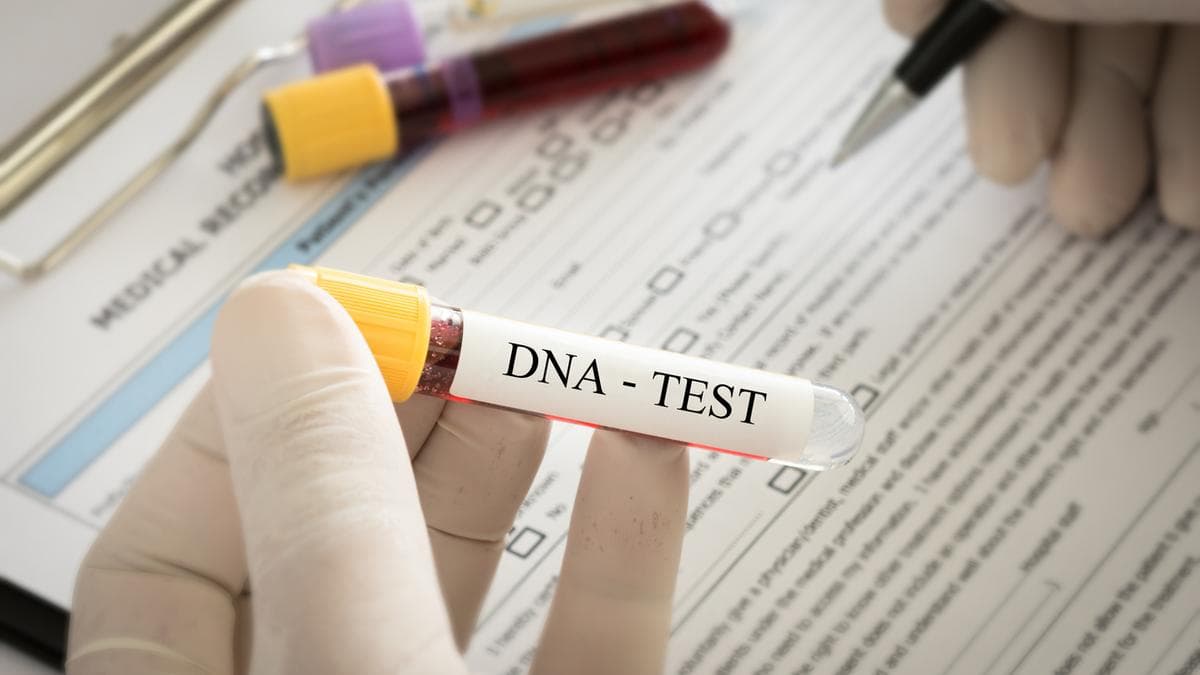
The Supreme Court’s recent ruling refines the judicial approach to DNA testing in paternity disputes, navigating the tension between individual privacy and the child's quest for identity.
For decades, the Indian judiciary has treated the use of DNA testing in paternity disputes with extreme caution, often wary of upsetting the delicate legal presumption of legitimacy. A recent verdict by a bench comprising Justices Sanjay Karol and N. Kotiswar Singh has reignited the national conversation on this balancing act. By upholding a trial court order for a DNA test, the Supreme Court has acknowledged that while an individual’s right to privacy—affirmed as a fundamental right in the 2017 Puttaswamy judgment—is paramount, it is not an absolute shield that can indefinitely block a child’s right to establish their biological identity.
The Evolution of Legal Presumption
At the heart of these disputes lies Section 112 of the Indian Evidence Act (now Section 116 of the Bharatiya Sakshya Adhiniyam), a colonial-era provision that presumes a child born during a marriage is legitimate. Historically, this section placed a heavy burden on a husband to prove "non-access" if he wished to challenge paternity. For years, the Goutam Kundu v. State of West Bengal precedent dictated that courts should not order blood or DNA tests as a "roving inquiry." The judiciary’s reluctance stemmed from a desire to protect families from the social stigma of illegitimacy and to avoid the routine invasion of bodily autonomy.
DNA Testing and the Privacy Threshold
Since the commercial emergence of DNA profiling in India during the 1980s, the courts have struggled to reconcile modern science with rigid statutory presumptions. While cases like Kunhiraman v. Manoj saw the Kerala High Court accept DNA evidence, the Supreme Court has remained consistent in its warning: DNA tests should not be ordered as a matter of course. The current ruling clarifies that a test is not a "legal right" that can be demanded at will; it requires a compelling case where the necessity of discovering the truth outweighs the privacy interests of the alleged father.
A Nuanced Judicial Approach
The legal landscape remains complex. While the Supreme Court has signaled that the child’s right to know their biological father can prevail over a man’s right to privacy, it has simultaneously cautioned against the indiscriminate use of scientific evidence. By requiring a prima facie case to be established before a test is ordered, the court ensures that the law does not inadvertently dismantle the family unit based on mere suspicion. This approach acknowledges that "legitimacy" is as much a social construct as a biological one.
The Impact on Future Litigation
Moving forward, this ruling serves as a vital touchstone for lower courts. It marks a shift from the blanket denial of testing toward a more calibrated, case-by-case evaluation. By anchoring the decision in the interplay between Article 21 and the child’s fundamental interest, the Supreme Court has provided a roadmap for resolving conflicts where the search for biological truth clashes with the sanctity of personal privacy. For the legal system, the challenge remains to ensure that the quest for scientific certainty does not come at the cost of the very protections meant to preserve the child's status within the family.
The PoliticalPedia Editorial Desk brings verified, sourced political news and analysis from across India.