Balancing Acts: New Zealand’s Tightrope Between Beijing and New Delhi
Exclusive: NZ PM Chris Luxon on Balancing China & India Relations | 'It's About How You Manage Them'
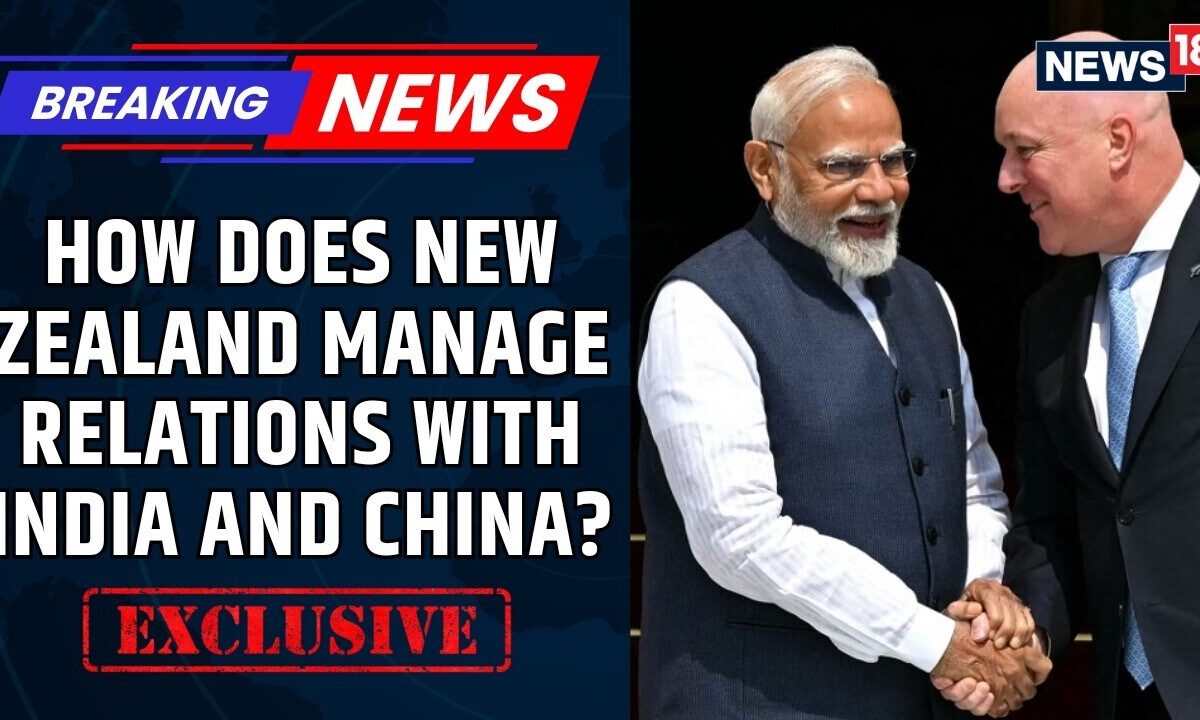
As global trade shifts, Prime Minister Chris Luxon is recalibrating Wellington’s foreign policy to court India without alienating a critical Chinese economic partner.
The Pacific is getting crowded, and for New Zealand, the old playbook of picking a side is rapidly becoming a liability. In an exclusive interview with News18, NZ PM Chris Luxon laid out a pragmatic vision for his country’s place in the Indo-Pacific, framing the challenge of balancing China and India relations not as a binary choice, but as a test of diplomatic agility. "It's about how you manage them," he remarked, underscoring a sentiment that has become the hallmark of his administration’s approach to the region.
For decades, Wellington’s economic prosperity was tied almost exclusively to the Chinese market. However, as geopolitical tensions simmer and global supply chains fracture, the logic has shifted. New Zealand is now aggressively seeking to deepen ties with New Delhi. While the South China Morning Post notes that Wellington is joining the race for a trade deal with India, the reality is that the path forward is narrow. India’s own trade blitz and its increasingly firm stance on regional security mean that any "closer" partnership will require more than just friendly rhetoric.
The Pragmatic Pivot
The strategy isn't merely about trade; it’s about hedging against the volatile shifts in global power. As the world digests the impact of new tariff regimes and the cooling of traditional alliances—with some nations even stepping back from platforms like the NATO Hague summit—New Zealand is finding itself in a delicate spot. There is a clear, quiet push to diversify. Moving away from a singular reliance on Beijing is no longer just a defensive measure; it is a necessity for long-term economic resilience.
Yet, this isn't a clean break. The relationship with China remains deeply entrenched, and as reports from the East Asia Forum and others suggest, the National-led government is maintaining a policy of continuity rather than confrontation. The objective is to keep the commercial engine running with the East, while simultaneously opening new corridors of cooperation with the rising power in the South.
Why It Matters: The Bigger Picture
This delicate balancing act speaks to a broader trend across the Indo-Pacific. Middle powers are no longer content to be spectators in a U.S.-China-centric world. By actively courting India, New Zealand is signaling a pivot toward a more multipolar engagement strategy. The implications for India are equally significant: as Wellington warms up to New Delhi, it underscores India's growing influence as a democratic anchor in the region.
However, the real test will be whether Wellington can maintain this equilibrium without being forced into a corner by the conflicting strategic interests of its two largest partners. For now, the messaging remains consistent: keep the lines of communication open, manage the expectations of both, and hope the regional world remains stable enough to prevent a forced choice. Whether this "management" style survives the next geopolitical storm is the question that will define the rest of Luxon’s term.
Ananya Iyer covers global affairs with an Indian lens for PoliticalPedia.