China’s Submarine Missile Test: A Silent Signal Across the Pacific
China tests missile from nuclear-powered PLA Navy submarine in western Pacific ocean
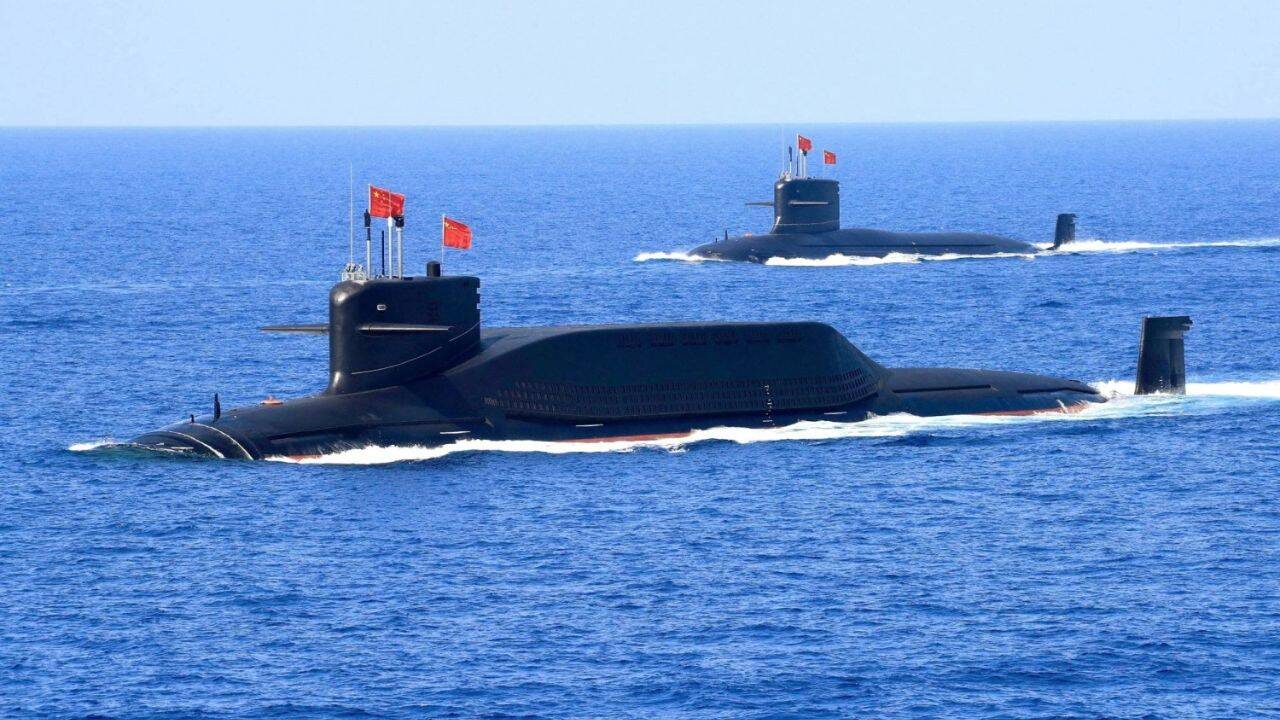
A recent missile launch from a nuclear-powered PLA Navy submarine marks a significant escalation in maritime power projection, sparking unease among regional neighbors.
The waters of the Western Pacific turned into a stage for a show of force this week when a nuclear-powered People’s Liberation Army (PLA) Navy submarine successfully executed a ballistic missile test. State news agency Xinhua confirmed the launch occurred at 12:01 pm, a move that has sent ripples through regional security circles. While Beijing maintains this is routine training, the strategic messaging is hard to miss: China is rapidly modernizing its underwater strike capabilities.
This incident is not an isolated event but rather the latest chapter in a broader shift in the Asian security landscape. From the deployment of J-35 stealth fighters on aircraft carriers to the integration of Z-8D hunter-killer helicopters, the PLA Navy is methodically closing the gap on Western naval dominance. Across the region, satellite imagery and tourist footage have increasingly captured the movement of advanced hardware, like the Type 093B nuclear submarine, suggesting that these maneuvers are becoming a new operational norm.
The Underwater Arms Race
The stakes are rising as undersea warfare evolves. It isn't just about the missiles; it is about the platforms that carry them. The push toward autonomous underwater drones and the potential integration of artificial intelligence into naval operations have made the Pacific a high-stakes arena. Reports from international think tanks indicate that this technological leap is designed to challenge U.S. and allied naval supremacy, forcing countries like India, South Korea, and Japan to recalibrate their own maritime defense strategies.
For India, the focus remains firmly on the Indian Ocean. With the ambitious $14 billion Project-77 project, New Delhi is looking to build a robust fleet of nuclear-powered submarines to counter the growing footprint of foreign navies. The regional anxiety is palpable, as confirmed by reports from Chatham House, which note that even minor missile tests in the vicinity can trigger a cascade of escalation risks that are difficult to manage.
Why it matters
The broader picture here is one of "distant ocean" ambition. China is no longer just a coastal power; it is actively constructing a navy capable of projecting force far beyond its own shores. By testing these systems in the Western Pacific, Beijing is signaling that its "new pillar" of naval strategy is fully operational. For global observers, the concern isn't just the individual missile test—it is the speed at which China is normalizing these high-end military operations. As the waters get more crowded, the likelihood of miscalculation grows, making transparency and communication between these naval giants more critical than ever.
Priya Nair covers parties, elections and the business of power for PoliticalPedia.