As US-Iran War Tensions Simmer, Israel Signals It May Act Alone on Nuclear Programme
US-Iran War Live: US "Very Naive" On Iran's Nuclear Programme, Tel Aviv To Act Alone: Israel
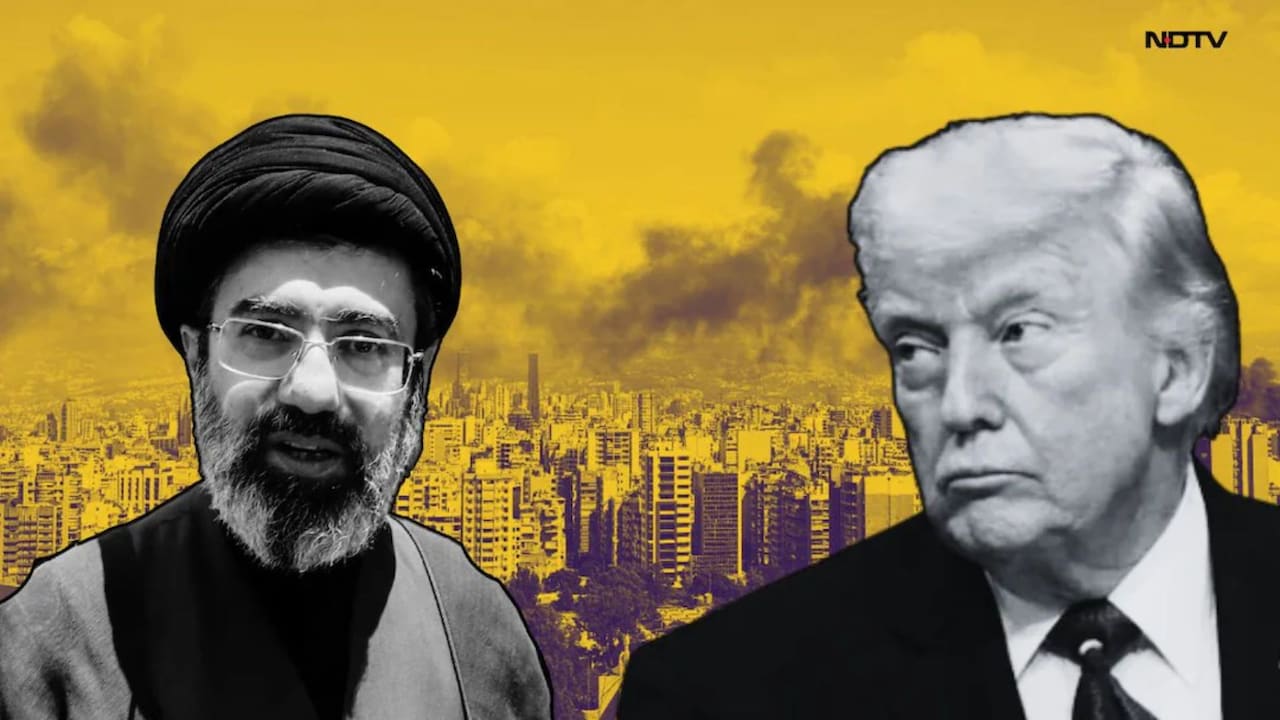
Israel’s National Security Minister labels the US approach to Tehran "very naive" as market volatility persists following record oil flows through the Strait of Hormuz.
The diplomatic gap between Washington and Tel Aviv has widened significantly this week. While the US Senate moves to wind down hostilities through a War Powers Resolution, Israel’s National Security Minister, Itamar Ben-Gvir, has launched a scathing critique of American strategy. In a recent interview with Channel 7, Ben-Gvir argued that Washington is being "very naive" to assume that Tehran will ever voluntarily dismantle its nuclear programme or abandon its long-standing objective of destroying Israel.
This friction suggests a potential pivot in regional security dynamics. Ben-Gvir has explicitly stated that Israel considers it a national responsibility to confront the Iranian threat, hinting that Tel Aviv is prepared to act alone if necessary. This stance directly challenges the prevailing sentiment in the US, where public fatigue over the conflict is becoming increasingly apparent. Recent polling indicates that only 24% of the American electorate currently believes the war with Iran has been worth the economic and military costs incurred.
Markets and the Hormuz Factor
While rhetoric in the capital cities remains hawkish, the economic reality on the ground offers a different narrative. US President Donald Trump recently touted a surge in energy logistics, claiming that 19 million barrels of oil flowed through the Strait of Hormuz on Monday—an all-time record. For global markets, this is a double-edged sword. While the high volume has helped push oil prices downward, the strategic importance of the strait remains the ultimate pressure point in the ongoing iran war live situation.
The disconnect between the White House’s focus on market stability and the Israeli security establishment's focus on existential threats is palpable. Even as the US Senate pushes for a legislative end to direct hostilities, Israel’s leadership appears to be recalibrating its own military doctrine to account for a scenario where Washington is no longer the primary driver of regional containment.
The Bigger Picture: Why It Matters
The widening rift between the US and Israel on the nuclear programme issue is more than just a diplomatic spat; it is a fundamental disagreement on the cost of containment. For the US, the goal is to stabilize energy markets and extricate itself from an unpopular conflict. For Israel, the iran threat is viewed through a lens of absolute security, where a "naive" diplomatic solution is seen as a precursor to catastrophe.
If Tel Aviv chooses to act alone, the geopolitical map of the Middle East could shift overnight. Markets, which have reacted positively to the record oil flows, are likely to turn volatile if the threat of an independent Israeli strike on Iranian facilities moves from rhetoric to action. Investors and policymakers should watch the gap between US legislative intent and Israeli operational resolve closely—it is the most reliable indicator of what comes next in the us-iran standoff.
Rohan Gupta covers the economy, markets and companies for PoliticalPedia.