Lifeboat Diplomacy: UN Begins Massive Evacuation of 11,000 Sailors Stranded in the Strait of Hormuz
UN launches evacuation of 11,000 sailors stranded in Hormuz
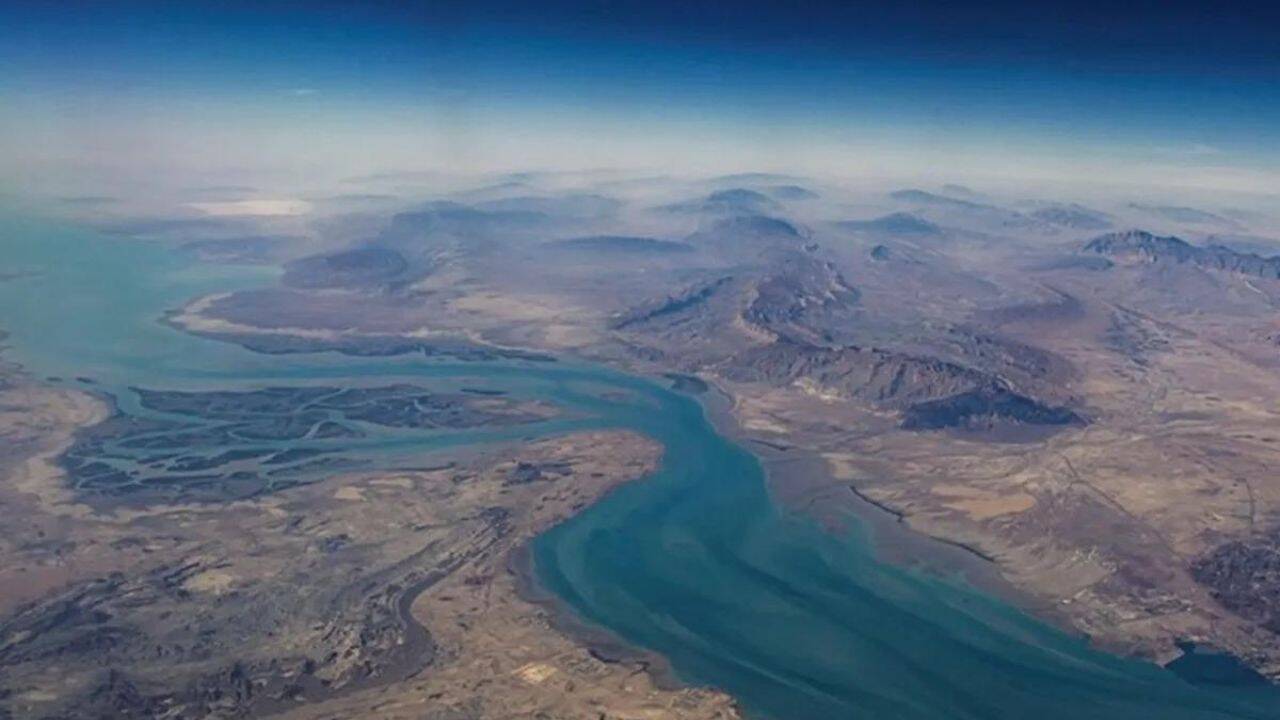
As the US-Iran peace deal moves from paper to practice, a complex maritime rescue operation is finally pulling thousands of seafarers from the world’s most volatile waterway.
The Strait of Hormuz, once a chokepoint of global anxiety, is witnessing a different kind of traffic today. After months of being effectively shuttered by the US-Iran conflict that ignited in late February, the critical maritime artery has finally opened for an urgent humanitarian mission. The International Maritime Organization (IMO) has launched a coordinated operation to evacuate over 11,000 stranded sailors who have been caught in the crossfire of geopolitical brinkmanship since the war began.
IMO Secretary-General Arsenio Dominguez confirmed that the evacuation is moving forward under strict safety guarantees. The operation is a fragile assembly of cooperation, involving not just Iran and the United States, but also Oman and other coastal states that have a vested interest in restoring normalcy to these waters. For the crew members who have spent months effectively marooned on their vessels, this move marks the first real sign that the recent memorandum of understanding—signed to end the fighting—is being treated with seriousness on the ground.
A Residual Standoff
While the evacuation provides much-needed relief for the sailors, it masks a deeper, unresolved tension. Even as vessels begin to trickle back through the strait, the question of who controls the "tollbooth" of the global economy remains a flashpoint. US Secretary of State Marco Rubio, currently on a diplomatic visit to the United Arab Emirates, has made the American position crystal clear: Washington will not accept any attempt by Tehran to impose unilateral tolls or fees on international shipping.
Rubio’s firm stance highlights that while the shooting war may be winding down, the contest for regional hegemony is merely shifting to a bureaucratic and legal battlefield. Iran’s previous decision to block the strait was a high-stakes lever used during the heat of the conflict, and the international community is now scrambling to ensure that this lever cannot be pulled again under the guise of administrative fees.
Why it matters
The scale of this evacuation is a stark reminder of how thin the line between global economic stability and total collapse truly is. The Strait of Hormuz handles a massive portion of the world's oil and gas transit; when it goes quiet, the ripples are felt from Tokyo to Mumbai and beyond. For India, which relies heavily on energy imports via this route, the reopening is a macroeconomic necessity.
However, the "toll dispute" signals that the post-war order in the Persian Gulf will be defined by friction. The IMO’s success in moving these 11,000 people depends entirely on the goodwill of actors who remain deeply suspicious of one another. If the US and Iran cannot find a middle ground on the administration of these international waters, the risk of a secondary, trade-based conflict remains dangerously high. The sailors are leaving, but the strategic standoff is here to stay.
Rohan Gupta covers the economy, markets and companies for PoliticalPedia.