As Bonn Climate Talks Open, India Faces a Balancing Act Between Growth and Green Ambition
Key mid-year climate meeting opens in Bonn; fossil fuels, adaptation on agenda
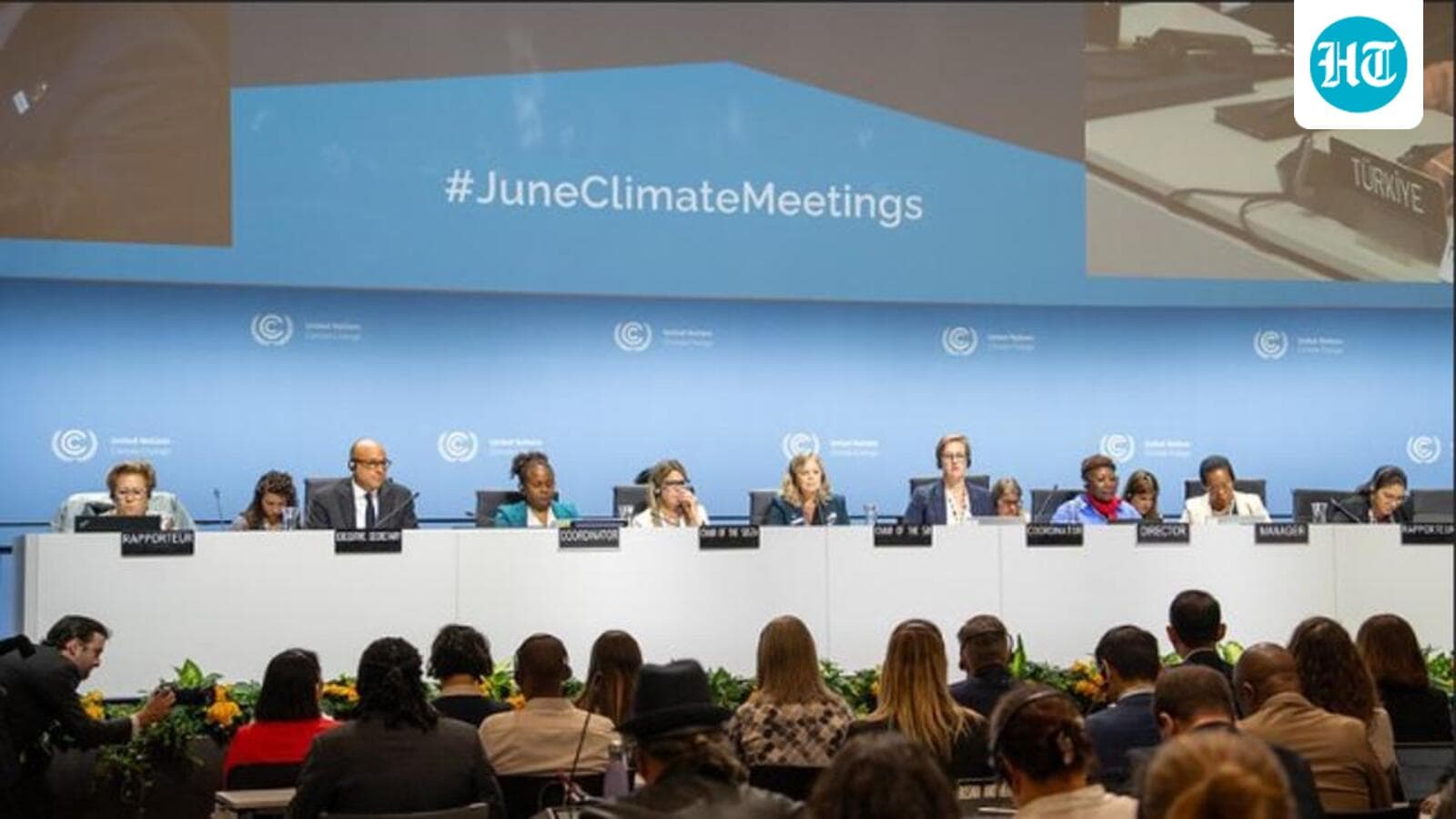
Mid-year climate negotiations in Germany are setting the stage for November’s COP31 in Turkey, with finance and energy transitions looming large.
The German city of Bonn, usually known for its quiet, academic air, has transformed into the primary battleground for the next phase of global climate action. As delegates assemble for the mid-year climate conference, the atmosphere is heavy with the weight of competing crises: a simmering fuel instability linked to the Iran-US conflict, the looming threat of an extreme El Niño season across Asia, and the pressure to turn the promises of the UAE Consensus into concrete policy.
While the world’s eyes are on these global issues, India’s presence at the Bonn summit is nuanced. Sources confirm that the Union Environment Ministry is largely participating virtually, signaling a strategic focus on specific technical outcomes rather than broad-stroke diplomacy. While ministry officials remain at their desks in New Delhi, other departmental representatives are on the ground in Germany to lobby for India’s core priorities: the Global Goal on Adaptation, the Belem Adaptation Indicators, and, crucially, the flow of adaptation finance to the Global South.
The Road to Turkey
These sessions serve as a vital midway point—a technical checkpoint designed to iron out the creases before the annual COP31 gathering in Antalya this November. The primary task is to operationalize the "Global Stocktake" agreed upon in Dubai. Nations are now expected to translate high-level pledges—such as tripling renewable energy capacity and doubling energy efficiency by 2030—into actual domestic roadmaps.
UN climate chief Simon Stiell has issued a stark warning to the assembled delegates. He described the task as the "hardest" humanity has ever faced together, urging countries to push past economic instability. Yet, the initial days in Bonn have been marked by a slow start, with some observers from the International Institute for Sustainable Development noting that the pace of discussions is failing to match the urgency of the climate reality on the ground.
Why it Matters: The Bigger Picture
This conference is a litmus test for the "just transition" mechanism. For a developing economy like India, the transition away from fossil fuels cannot be a sudden shock. It must be orderly, equitable, and, most importantly, funded. The current focus on adaptation finance—with health groups pushing for a target of $120 billion by 2035—highlights a growing recognition that climate change is no longer a future threat; it is an economic drain today.
The pattern here is clear: the era of vague commitments is ending. As the world moves toward 2050, the friction between immediate energy security and long-term climate stability will define international relations. For India, the challenge lies in securing the capital required to build resilient infrastructure without sacrificing the energy needs of a growing population. Whether these talks succeed depends on whether wealthy nations are willing to bridge the financial gap that currently separates climate ambition from reality.
Features Desk at PoliticalPedia covers culture, tech & life for an Indian audience in English and Hindi.