Anxiety Is More Than Worry and Depression More Than Sadness: Why Mental Health Matters
Anxiety Is More Than Worry, Depression More Than Sadness: Why Mental Health Matters | News18
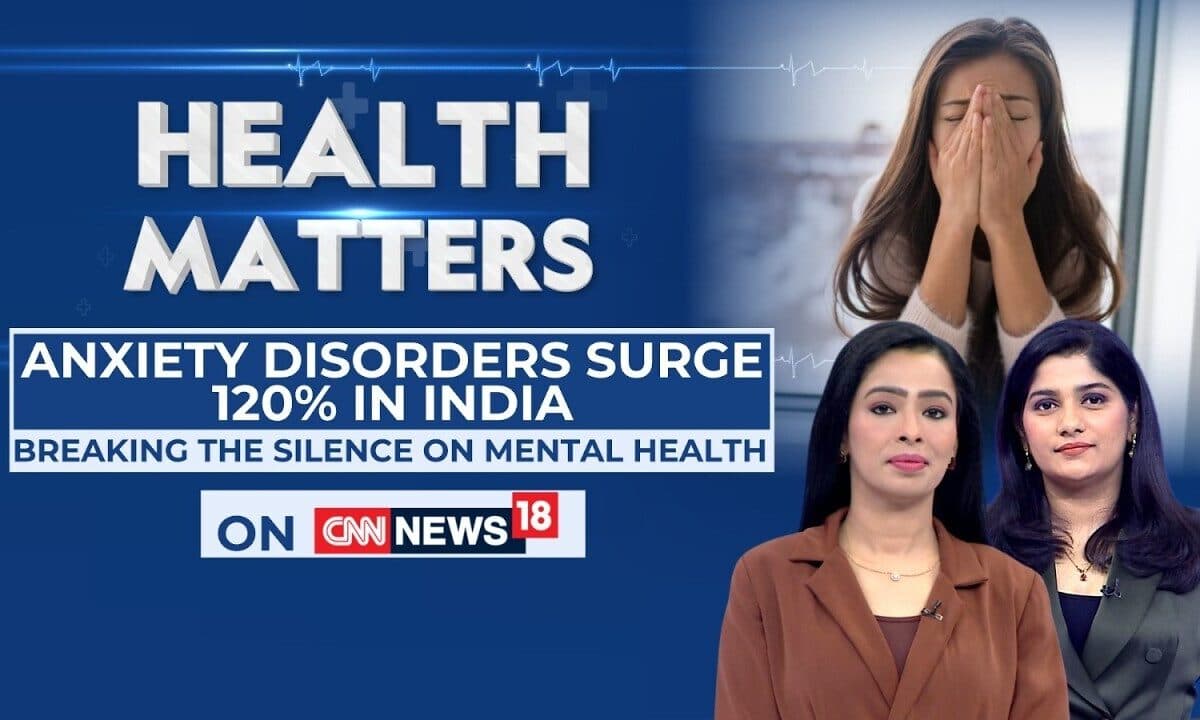
Understanding the physiological and psychological markers of these prevalent conditions is the first step toward breaking the silence and seeking life-saving intervention.
In the daily grind of modern life, phrases like "I’m so depressed" or "I’m anxious" are often tossed around to describe momentary stress or temporary disappointment. However, medical experts are increasingly sounding the alarm: clinical anxiety is more than just everyday worry, and depression is far more than occasional sadness. As global health data indicates that hundreds of millions of people struggle with these conditions, the urgency to distinguish between natural emotional fluctuations and serious, treatable health disorders has never been higher.
Recognizing the Medical Reality
According to the World Health Organization and the National Institute of Mental Health, these disorders are not character flaws or signs of weakness; they are complex biological and psychological conditions. Anxiety disorders, which affected approximately 359 million people globally in 2021, are characterized by intense, excessive, and persistent fear that interferes with work, school, and relationships. Unlike fleeting nervousness, these disorders often manifest physically—through heart palpitations, digestive distress, and chronic muscle tension—and can persist for months if left unaddressed.
Similarly, depression is a clinical state that goes beyond a "bad mood." It involves a persistent loss of interest in life’s pleasures, profound fatigue, and, in severe instances, thoughts of self-harm. While everyone experiences the highs and lows of life, a depressive episode is defined by the duration and severity of symptoms, which must be present for at least two weeks to meet clinical criteria.
Breaking the Stigma
One of the primary barriers to recovery remains the social stigma that prevents individuals from seeking help. Data reveals a stark treatment gap; in many high-income nations, only about one-third of those suffering from depression seek professional support. Experts emphasize that viewing mental health through a medical lens is essential. Just as one would seek intervention for a physical injury or a chronic condition like diabetes, accessing therapy or psychiatric care for mental illness is a critical act of strength.
The intersection of these conditions is another vital area of clinical focus. Research frequently highlights that anxiety and depression are tightly linked, often occurring concurrently. Symptoms like sleep disruption, irritability, and poor concentration are common markers for both. Recognizing this overlap is crucial for clinicians, as it changes the trajectory of diagnosis and the efficacy of long-term treatment plans.
The Path to Recovery
Why mental health matters today is a question of public health, as these disorders impact every demographic from adolescents to the elderly. Research from global bodies like UNICEF and the CDC underscores the rising prevalence of these issues among youth, necessitating early intervention and better access to care. Whether it involves managing headline stress, navigating the pressures of social media, or addressing underlying genetic or environmental triggers, the message remains clear: recovery is possible.
Accessible healthcare, combined with a societal shift that prioritizes mental well-being, remains the strongest defense against the global burden of these disorders. By fostering environments where individuals feel safe to speak up without fear of judgment, the cycle of isolation can be broken, paving the way for effective treatment and improved quality of life.
The PoliticalPedia Editorial Desk brings verified, sourced political news and analysis from across India.