A House Divided: Trinamool Rebellion Spills Into Delhi
Trinamool rebellion reaches Delhi as 20 party MPs hold meeting at Union Minister Bhupendra Yadav’s residence
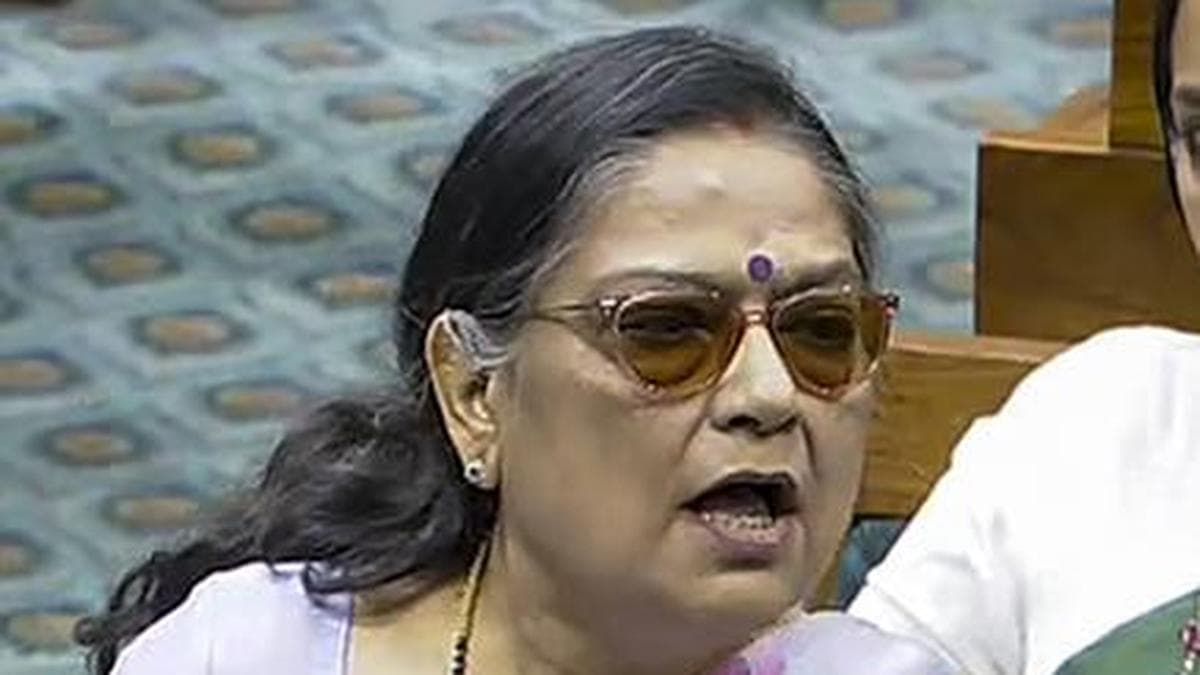
As 20 Trinamool Congress MPs meet with BJP leadership in the capital, the tremors of a massive internal crisis threaten to reshape West Bengal’s political landscape.
The quiet, tree-lined streets of Lutyens’ Delhi witnessed a seismic shift on Monday as the simmering discontent within the Trinamool Congress finally boiled over into the national capital. While Mamata Banerjee and her nephew, Abhishek, were busy attending an INDIA bloc meeting at the Constitution Club, a significant faction of their party was huddled just a short distance away. At the residence of Union Minister and BJP West Bengal observer Bhupendra Yadav, 20 Trinamool Lok Sabha MPs arrived to signal a dramatic realignment, effectively bringing the rebellion from the streets of Kolkata to the heart of India's power corridor.
The visuals from Yadav’s residence were stark. Among those spotted were MPs Prasun Banerjee, Anup Chakraborty, Jagadish Chandra Barma Basunia, Asit Kumar Mal, Satabdi Roy, Kalipada Soren, and Sharmila Sarkar. The presence of Rajya Sabha MP Sukendu Sekhar Roy—who recently resigned from both his seat and the party—added weight to the gathering. Observers noted that the bloc is coalescing around Barasat MP Kakoli Ghosh Dastidar, a veteran leader recently stripped of her role as the party’s chief whip in the Lok Sabha.
The Calculus of Defection
This meeting was not an isolated incident but the latest in a rapid-fire series of shocks for the TMC. The rebellion appears to be moving with institutional precision; only last week, roughly 60 of the party’s 80 MLAs in the West Bengal Assembly staged an open revolt, electing Ritabrata Banerjee as their new Leader of Opposition. The coordination between these state-level legislators and the parliamentary contingent in Delhi suggests a structured push to form a separate bloc, one poised to extend support to the BJP-led National Democratic Alliance (NDA) government.
While the exact presence of Suvendu Adhirari at the Yadav residence remained unconfirmed by official channels, the air in Delhi was thick with speculation. The move leaves the Trinamool leadership facing a precarious reality: with 29 Lok Sabha seats in total, losing 20 members to a pro-NDA tilt would not just be a numerical defeat—it would be an existential crisis for the Mamata Banerjee-led party.
The Bigger Picture: Why It Matters
The implications of this shift extend far beyond a change in party loyalties. If this factionalism solidifies, it signals the end of the TMC’s monolithic hold on West Bengal politics, potentially ending the era of a single dominant regional force. For the BJP, successfully absorbing or aligning with this dissident bloc would dismantle its primary opposition in the state without waiting for the next electoral cycle.
However, political transitions of this magnitude are rarely clean. As veteran figures like Firhad Hakim scramble to manage the fallout—evidenced by his meeting with the rebel leader Ritabrata Banerjee at the Assembly—the coming days will reveal whether this is a permanent fracture or a desperate attempt by the TMC leadership to negotiate a ceasefire. For now, the center of gravity in Bengal politics has clearly shifted from the corridors of Nabanna to the meeting rooms of Delhi.
Features Desk at PoliticalPedia covers culture, tech & life for an Indian audience in English and Hindi.