The Fault Lines Widening: Inside the TMC’s Mounting Rebellion
Who Are Kakoli Ghosh Dastidar And Ritabrata Banerjee? The Faces Of TMC's Growing Rebellion
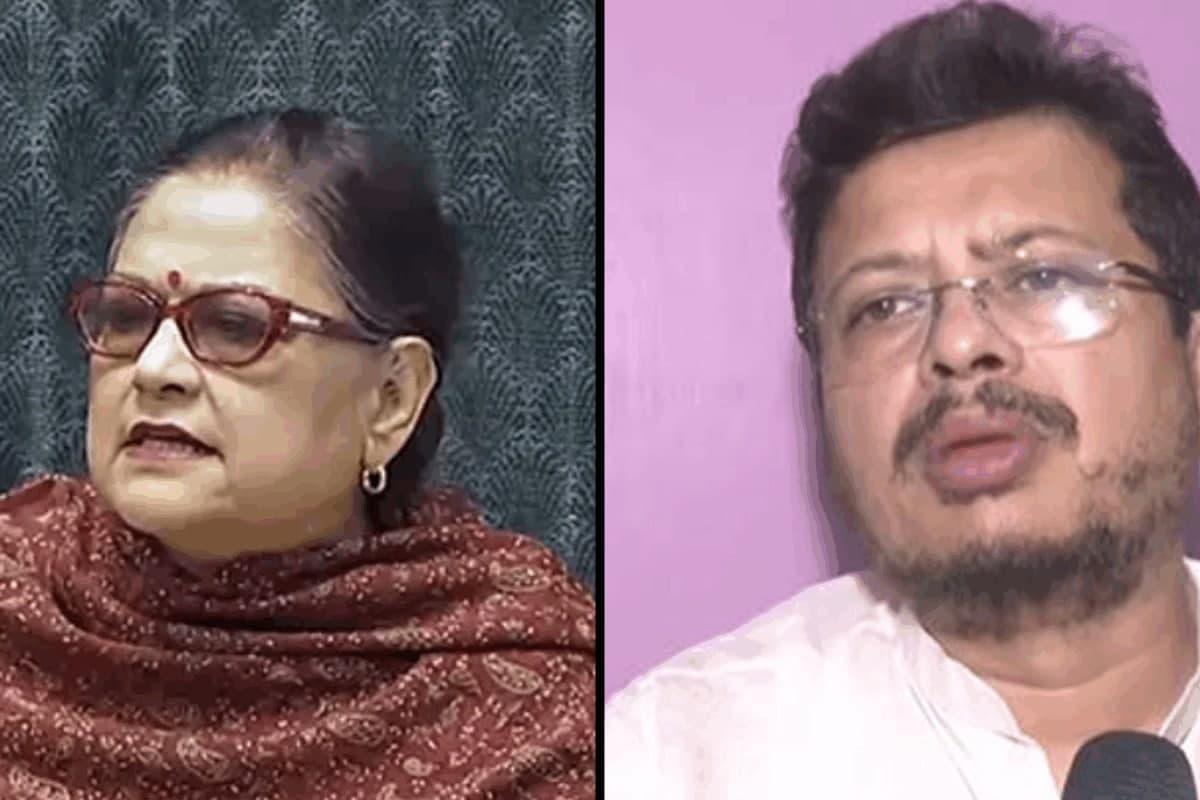
As post-election tremors shake Mamata Banerjee’s stronghold, two veteran leaders have emerged as the faces of a growing rebellion that threatens to reshape Bengal’s political landscape.
The Trinamool Congress (TMC), once a monolith of discipline, is fracturing. Just weeks after a stinging defeat in the West Bengal Assembly elections, the party is witnessing an exodus that feels less like a trickle and more like a dam breaking. At the heart of this internal earthquake are two figures—Kakoli Ghosh Dastidar and Ritabrata Banerjee—who are now leading separate but parallel revolts in the corridors of Delhi and the chambers of the state Assembly.
The Assembly Split: The Ritabrata Model
Ritabrata Banerjee’s trajectory has been nothing short of a political thriller. A former CPI(M) Rajya Sabha member who transitioned to the TMC, he has now become the face of the dissident camp within the Assembly. In a move that caught the TMC leadership off guard, the Speaker recognized a breakaway faction of legislators as a separate entity, effectively installing Banerjee as the Leader of the Opposition.
This isn't just about a change in titles; it is a tactical strike. By positioning his group as the "true" custodians of the party’s original ideals, Banerjee is challenging the legitimacy of the current leadership, sparking both legal battles and a scramble for numbers. With reports of as many as 58 MLAs leaning toward this rebel faction, the TMC’s grip on the House looks increasingly precarious.
The Parliamentary Front: Kakoli’s Quiet Exit
While the Assembly sees a loud power grab, the drama in the national capital is unfolding with a different, perhaps more dangerous, weight. Kakoli Ghosh Dastidar, a three-time MP from Barasat and a senior woman leader, has made her discontent public. Her resignation from all organizational posts in May, attributed to "deep mental conflict," signaled that the rebellion had breached the upper echelons of the party.
She is not alone. Whispers from Delhi suggest that nearly 20 MPs are exploring an alignment with the NDA. When asked who are Kakoli Ghosh, Dastidar, and Ritabrata Banerjee in the current context, the answer is clear: they are the focal points of a systemic failure in internal party cohesion. As these dissident voices gain traction, the "TMC MP" is becoming a common term in political discourse, with many weighing their futures as the party’s once-ironclad unity unravels.
Why it matters
The bigger picture here is the potential for a "Maharashtra-style" political realignment in Bengal. When nearly 20 MPs begin signaling a shift in allegiance, it suggests that the party’s parliamentary floor strategy is in jeopardy. This is not just a protest against individual leaders; it is a calculated response to the post-poll void. If the current trend of defections and breakaway factions continues, Mamata Banerjee faces the biggest test of her 15-year career. The challenge isn't just winning elections—it is holding the party together when the perception of its invincibility has finally evaporated.
Features Desk at PoliticalPedia covers culture, tech & life for an Indian audience in English and Hindi.