A 90-Minute Phone Call: Trump’s High-Stakes Gambit to End the Ukraine War
Trump offers to help end Ukraine war during 90-minute call with Putin, Zelenskyy
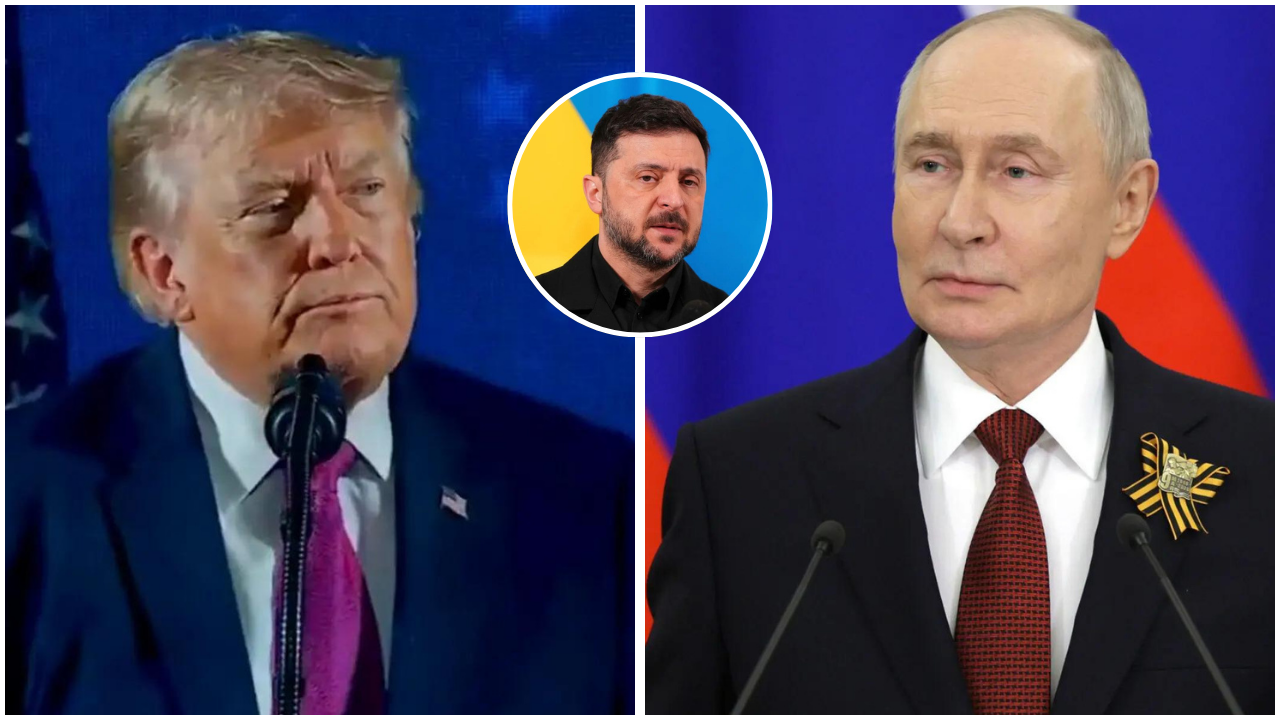
As diplomatic maneuvering intensifies, Donald Trump has inserted himself into the centre of the Russia-Ukraine conflict, sparking both hope for a ceasefire and questions about the future of the frontline.
The rhythm of international diplomacy rarely moves in straight lines, but this past weekend, the pace shifted dramatically. On US Independence Day, Donald Trump spent nearly 90 minutes on a phone call with Vladimir Putin, followed by a separate conversation with Volodymyr Zelenskyy. While the world watches, these discussions have repositioned the former US President as a self-styled peacemaker, aiming to bridge a gap that has defined global geopolitics for years.
Conflicting Narratives on the Frontline
The conversations revealed just how far apart the two sides remain. During the call, Putin briefed Trump on what he characterised as a "confidently advancing" Russian military, even claiming that his forces had captured the strategic city of Kostiantynivka. Kyiv, however, has dismissed this as another "Russian lie." Ukrainian army spokesman Andriy Kovalyov confirmed that the city remains firmly under Ukrainian control, underscoring the reality that while leaders talk, the 1,200-kilometre frontline remains a zone of brutal, contested uncertainty.
Trump, for his part, has signalled that he is ready to push for a rapid end to the fighting. Kremlin aide Yuri Ushakov noted that the discussion was "business-like and quite constructive," with Moscow expressing a willingness to engage in political-diplomatic resolutions, provided their "fundamental approach"—which includes control over the Donbas—is taken into account. Zelenskyy, while describing his own call with Trump as "very good," has remained guarded, seeking clarity on what any potential ceasefire would actually entail for Ukraine’s sovereignty.
The Envoys and the Wider Map
The diplomacy does not end with a single phone call. Trump has dispatched envoys Steve Witkoff and Jared Kushner to carry the mantle of mediation, with preparations underway for a potential visit to Moscow. The scope of these talks is also expanding beyond Eastern Europe; reports indicate that the Iran crisis was also on the table, with Putin expressing hope that US-led diplomatic efforts might yield broader international stability.
Why it matters
This flurry of activity signals a pivotal shift in how the conflict is being managed. For the international community, the core question is whether this "Trump-led" mediation represents a genuine path to peace or a disruption of the existing Western-backed coalition. By positioning himself as a direct line between Moscow and Kyiv, Trump is betting that personal diplomacy can achieve what months of conventional international pressure could not. However, the disconnect between battlefield reality—where neither side is willing to cede ground—and the rhetoric of a "rapid end" suggests that the hardest work is yet to begin. For Zelenskyy, the challenge is balancing the need for US support against the risks of a deal that might compromise Ukraine’s long-term security.
Kabir Sharma writes on culture, technology and everyday life for PoliticalPedia.