Kim Jong Un’s Naval Ambitions: A High-Stakes Display of Nuclear-Capable Firepower
Kim Jong Un oversees nuclear-capable missile tests from newly repaired warship
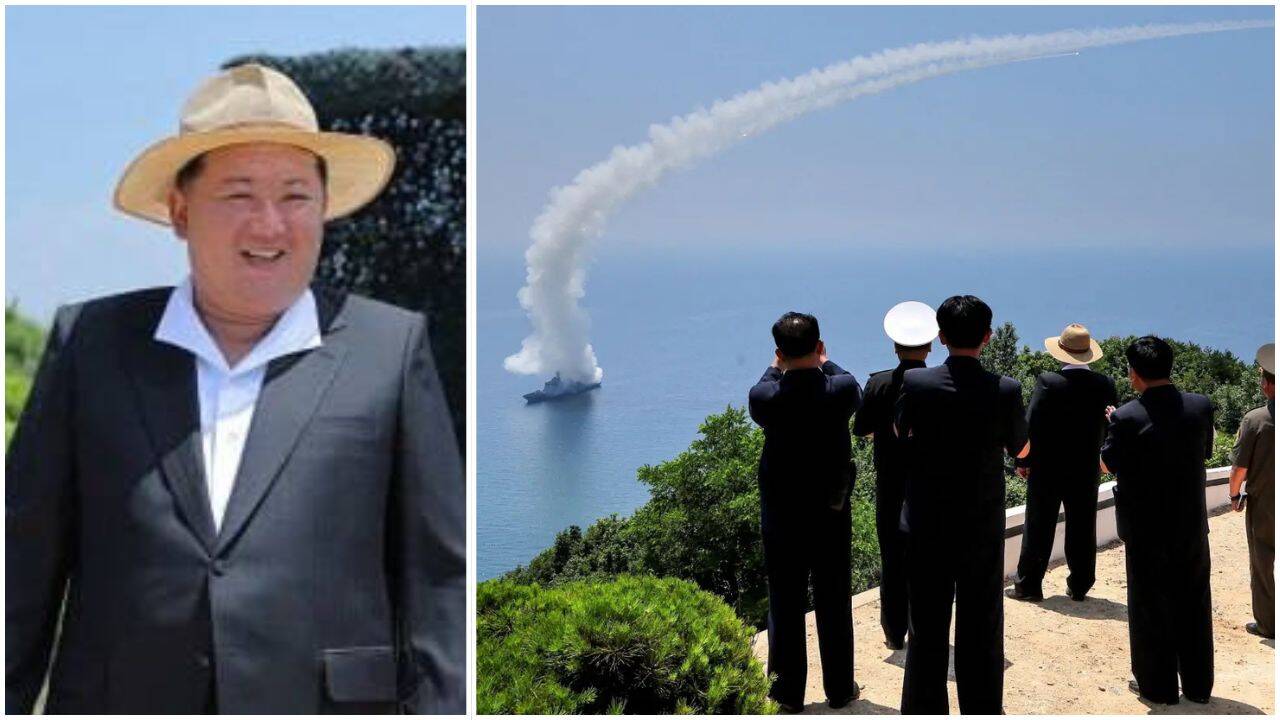
Pyongyang is doubling down on its maritime nuclear strategy, as the North Korean leader pushes for a rapid expansion of his nation's destroyer fleet.
The sight of the Kang Kon cutting through the waves is a significant departure from the embarrassment it caused just months ago. Last May, the 5,000-ton destroyer partially capsized during its launch ceremony in the northern port of Chongjin—a failure that reportedly drew a sharp rebuke from Kim Jong Un himself. Now, fully repaired and back in the spotlight, the vessel has served as the command deck for Kim as he oversaw a series of tactical demonstrations, including the launch of strategic cruise missiles, the firing of automatic cannons, and the testing of advanced electronic warfare systems.
State media reports confirm that this latest exercise was not merely a ceremonial outing. Pyongyang is clearly signaling a shift in focus, moving beyond its traditional ballistic missile programme to build a more robust, nuclear-armed navy. Kim has set a demanding timeline, ordering officials to complete final trials and commission the Kang Kon into active service within two months. This comes hot on the heels of the late June commission of the Choe Hyon, another 5,000-ton vessel that Pyongyang claims is equipped with anti-ship and nuclear-capable missile systems.
The Push for a Blue-Water Fleet
The trajectory of North Korea’s naval modernisation is becoming increasingly aggressive. Kim has publicly outlined a grand blueprint that includes the construction of 10,000-ton warships and a target of building two 5,000-ton destroyers annually over the next five years. By integrating strategic cruise missiles onto these platforms, the North is attempting to diversify its nuclear delivery methods, making its arsenal harder to track and counter in the event of a conflict.
However, international observers remain cautious. While state media touts these vessels as "milestones" in naval nuclear armament, the actual operational effectiveness of these ships remains unverified by independent experts. The challenge for Pyongyang is not just building the hull, but successfully integrating complex, miniaturised nuclear delivery systems into a maritime environment that has historically been dominated by its neighbours and the U.S.
Why It Matters
This naval expansion is a calculated move to shift the regional security calculus. By pushing its nuclear capabilities out to sea, North Korea is effectively expanding the "threat horizon" for South Korea and the United States. It forces naval commanders in the Pacific to account for a wider range of launch vectors, complicating defense and surveillance efforts.
Strategically, this is about more than just hardware; it is about regime endurance. As Kim Jong Un seeks to solidify his standing, demonstrating an evolving, multi-domain nuclear deterrent serves as a potent domestic and international signal. Whether these vessels become a credible blue-water force or remain largely symbolic platforms will depend on the North’s ability to master sustained maritime operations—a feat that has eluded them in the past. For now, the region is watching closely, as the tempo of these naval tests shows no signs of slowing down.
Priya Nair covers parties, elections and the business of power for PoliticalPedia.