YouTuber Maridhas Held Again as Free Speech Debate Flares in Tamil Nadu
YouTuber Maridhas arrested for videos defaming TVK government
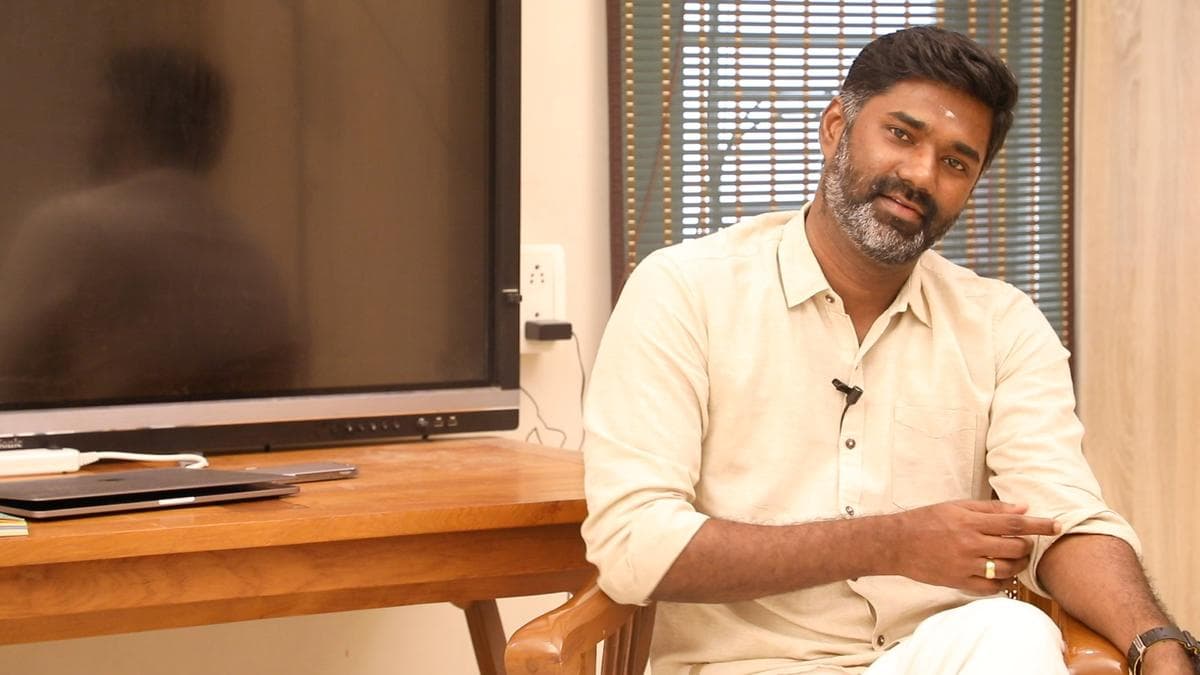
The arrest of the prominent social media commentator has reignited friction between state authorities and digital platforms over the boundaries of political discourse.
The digital corridors of Tamil Nadu are once again buzzing after the arrest of YouTuber Maridhas. Known for his provocative commentary, the social media personality was taken into custody following a series of videos that allegedly defamed the ruling TVK government. His arrest has triggered an immediate sharp divide, pitting the state’s enforcement agencies against civil society observers who view the move as a tightening of the leash on digital dissent.
A History of Contentious Content
This isn’t the first time the YouTuber has found himself in the crosshairs of law enforcement. His career has been defined by a recurring cycle of viral content and subsequent police action. His previous brushes with the law include a controversial post regarding a stampede in Karur and a highly inflammatory remark comparing the state to Kashmir in the wake of a tragic chopper crash. Each instance has prompted a swift response from the administration, leading to arrests and detentions that inevitably dominate the news cycle.
The current legal trouble stems from his recent digital output concerning Chief Minister Vijay and the TVK government. While specific details of the latest FIR remain a subject of legal review, the pattern mirrors his past encounters with the state's investigative machinery. Across various platforms—from major national outlets to specialized digital news portals—the coverage has been split between documenting the technical grounds for his arrest and highlighting the broader implications for free speech.
Why it Matters: The Chilling Effect
The broader picture here is the escalating friction between independent digital creators and the state. As the influence of independent YouTubers grows, the line between legitimate political critique and "defamatory" content has become a battlefield. For the government, these actions are framed as maintaining public order and preventing the spread of misinformation that could incite communal or social unrest.
However, from the perspective of media analysts, this trend signals a concerning pattern of state intervention. When authorities repeatedly use the legal system to silence vocal critics, it often creates a "chilling effect," where creators self-censor to avoid the costs of litigation and detention. As the digital landscape continues to evolve, the question is no longer just about the content of one individual’s videos, but about how much space the state is willing to grant to dissent in an increasingly polarized online environment. Whether this leads to a formal legal challenge regarding the reach of the IT Act remains to be seen.
Business Desk at PoliticalPedia covers economy & markets for an Indian audience in English and Hindi.