Tectonic shifts in Bengal: Kakoli Dastidar and rebel TMC leaders signal a new political reality
16 TMC MPs, led by Sukhendu Ray and Kakoli Dastidar, meet Bengal CM Suvendu Adhikari amid split buzz
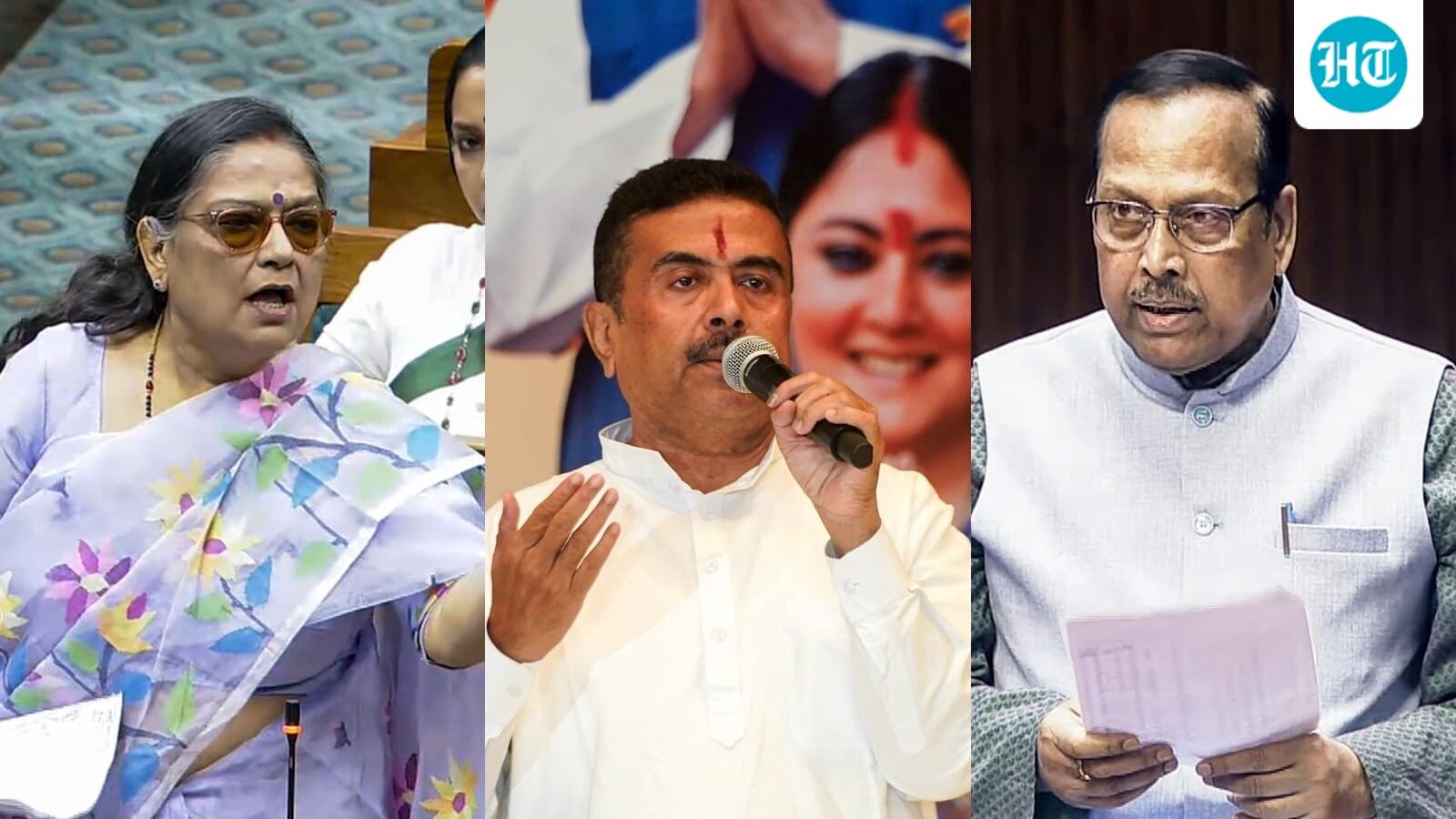
As the Trinamool Congress reels from its recent assembly election defeat, high-profile leaders are crossing the aisle to engage with the new BJP government, fueling intense speculation over a potential party split.
The political landscape in West Bengal is undergoing a dramatic realignment that has left the corridors of power in Kolkata buzzing. In a move that signals a deepening crisis for the Trinamool Congress, senior party MP Kakoli Dastidar and a group of six MLAs recently attended an administrative review meeting chaired by the new Bengal CM Suvendu Adhikari in Kalyani. For a state long defined by rigid partisan divides, the sight of veteran TMC lawmakers sharing a stage with their chief political adversary is a potent indicator that the post-election dust has far from settled.
The cracks widen
The defiance goes beyond mere optics. Across the state, the party’s post-poll haemorrhage shows no signs of stopping, with reports of nearly 127 TMC councillors from 11 different civic bodies stepping down. The internal rot appears to have reached the top brass as well. Sukhendu Ray, a prominent Rajya Sabha member, recently resigned from both his parliamentary seat and the party, citing systemic corruption and the government’s handling of the RG Kar hospital tragedy. Ray’s exit, coupled with the open participation of other TMC MPs in meetings hosted by the BJP leadership, suggests a coordinated move to challenge the existing party hierarchy.
A new administrative culture?
Suvendu Adhikari has been quick to frame these interactions as a shift toward collaborative governance. During the meeting in North 24 Parganas, the CM welcomed the opposition presence, contrasting it sharply with the previous regime's tendency to freeze out political rivals. "Administration is for everyone," Kakoli Dastidar remarked when questioned about her attendance, a sentiment echoed by several MLAs who claimed they were simply fulfilling their duties to their constituents. While Dastidar has already faced consequences—having been stripped of her role as the TMC’s chief whip in the Lok Sabha—the move highlights a pragmatic, if risky, pivot by leaders who feel increasingly alienated by the party’s central command.
Why it matters
This string of defections and "courtesy" meetings represents more than just a change of heart; it is a calculated attempt to test the waters of a post-Mamata Banerjee political order. The requirement for a two-thirds majority—19 seats—to avoid expulsion under the Tenth Schedule of the Constitution remains a high bar for any formal splinter group, yet the sheer volume of municipal-level resignations suggests a party struggling to hold its base together. Whether this is a terminal decline for the Trinamool or a temporary realignment, the trend of local and national representatives seeking a rapprochement with the BJP government points to a fundamental shift in how power is being brokered in West Bengal.
The road ahead
As the TMC leadership attempts to contain the damage, the political theatre in Bengal is becoming increasingly complex. With MLAs being spotted in the Speaker’s chambers and senior MPs openly discussing the need for internal inquiries into police and administrative conduct, the party is effectively fighting a war on two fronts: one against the BJP, and another against its own internal contradictions. For now, the "administrative meeting" has become the primary battleground where the future of the state’s political landscape is being written.
Features Desk at PoliticalPedia covers culture, tech & life for an Indian audience in English and Hindi.