The Rebellion Brewing in Bengal: Is a Split Imminent for the Trinamool Congress?
16 TMC MPs, led by Sukhendu Ray and Kakoli Dastidar, meet Bengal CM Suvendu Adhikari amid split buzz
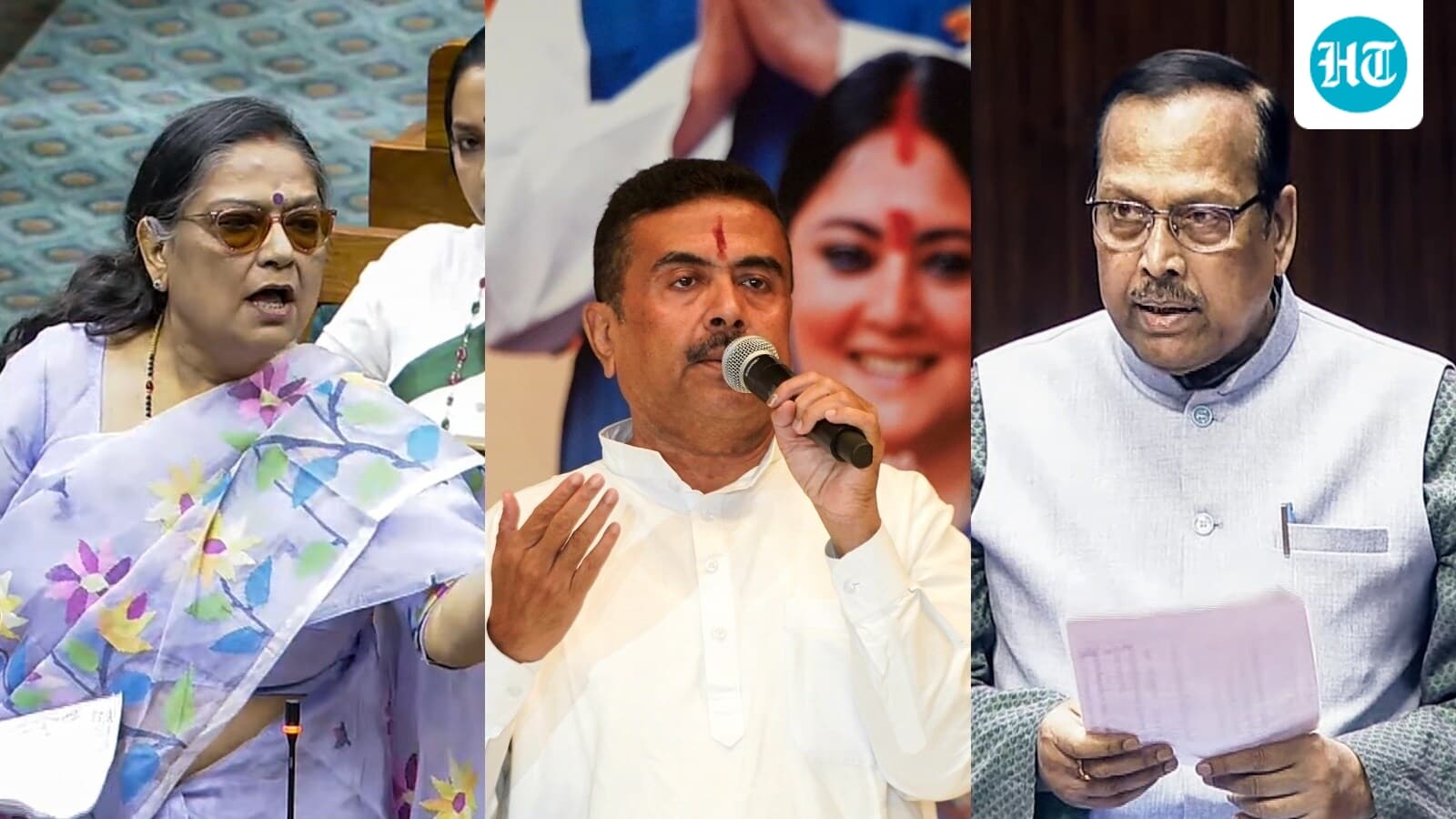
A high-stakes meeting between 16 TMC MPs and Bengal CM Suvendu Adhikari has sent tremors through the party, raising questions about its future stability.
The corridors of power in Bengal are buzzing with talk of a structural collapse. On Monday, a delegation of 16 Trinamool Congress (TMC) MPs, featuring prominent faces like Kakoli Dastidar and Rajya Sabha veteran Sukhendu Ray, made a move that could alter the state's political map. They were spotted meeting West Bengal Chief Minister Suvendu Adhikari at a BJP minister’s residence, a rendezvous that has set off massive speculation about a potential split within the Mamata Banerjee-led party.
The optics of the meeting are unmistakable. Along with the request for seat reallocation submitted to Lok Sabha Speaker Om Birla, the group appears to be positioning itself as a distinct faction. The list of names reads like a roll call of heavyweights, including Shatrughan Sinha, Prasun Banerjee, and Partha Bhowmick. For a party that has navigated the choppy waters of assembly election losses, this internal splintering is perhaps the most significant challenge to its cohesion in years.
The Trigger: A Resignation and a Grievance
The catalyst for this unfolding drama appears to be Sukhendu Ray. Hours before the group meeting, Ray stepped down from his Rajya Sabha seat and severed ties with the TMC. His exit wasn't quiet. He went on record to cite deep-seated corruption and the party’s handling of the sensitive RG Kar hospital rape-murder case as his breaking point.
Ray claims his demand for an internal police inquiry—aimed at uncovering the alleged destruction of evidence—led to his systematic isolation. "My only fault was that I demanded an internal inquiry," he told reporters, framing his departure as a principled exit from a party he no longer recognizes.
The Mathematical Hurdle
While the political intent is clear, the legal reality is far more rigid. Under the Tenth Schedule of the Constitution, any group of legislators looking to break away without inviting disqualification must secure a two-thirds majority. With this current count of 16, the rebels fall short of the 19-seat threshold required to bypass the anti-defection law in the Lok Sabha. Whether this group can peel away more members to hit that "magic number" remains the central question for observers in Hindustan and beyond.
Why it matters
This is more than just a case of disgruntled politicians changing sides. It reflects a wider volatility in Bengal's political ecosystem following the recent assembly polls. When a party begins to see its ranks fracture—especially over issues of public accountability and internal transparency—it signals a loss of central command. If these MPs do manage to formalize their split, it would not only shrink the TMC's footprint in Parliament but also provide a major shot in the arm for the opposition, effectively handing them a stronger foothold to challenge the Mamata Banerjee administration. For now, the capital watches to see if this is a temporary protest or the beginning of a larger, irreparable exodus.
Features Desk at PoliticalPedia covers culture, tech & life for an Indian audience in English and Hindi.