When the Warranty Fails: A Growing Pattern of Consumer Battles with Mahindra
Mahindra car developed engine trouble within months; owner wins Rs 1 lakh and new engine
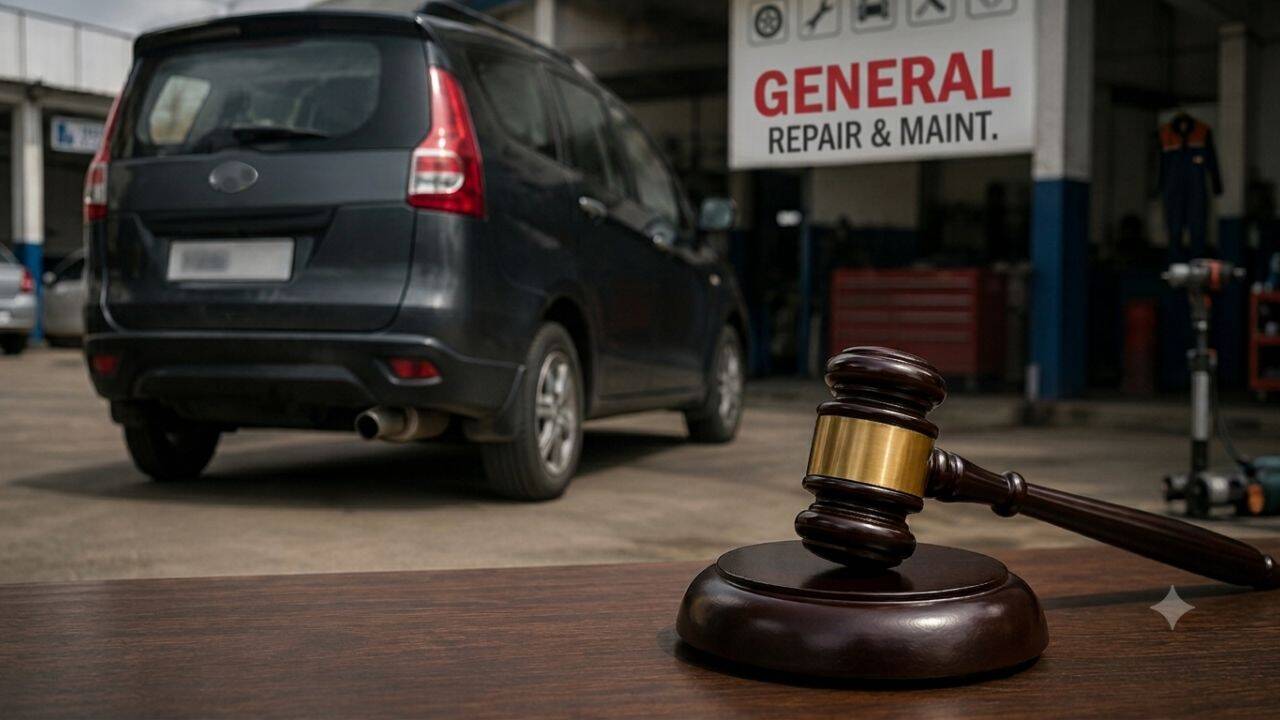
From engine failures to disputed fuel quality, vehicle owners are increasingly turning to consumer commissions to hold manufacturers accountable for technical snags and service deficiencies.
For Girish Tiwari, a routine trip to Bhopal in his nearly-new Mahindra Marazzo turned into a two-year legal marathon. What began as a mechanical issue involving black smoke—just 22 days after a scheduled service—spiralled into a high-stakes dispute over fuel quality. When the dealer blamed the engine damage on "adulterated fuel" to avoid warranty claims, Tiwari noticed a glaring discrepancy: the dealer’s assessment letter predated the actual lab report by weeks. The National Consumer Disputes Redressal Commission (NCDRC) eventually saw through the tactic, ordering the manufacturer and dealer to replace the engine free of cost and pay Rs 1 lakh in compensation.
This is not an isolated case. Across the country, a recurring friction point has emerged between the vehicle owner and the dealership network. From Himachal Pradesh to Madhya Pradesh, consumers are reporting similar patterns: cars or pickups breaking down shortly after purchase, only to be met with claims of "driver abuse" or "non-covered usage" when they seek repairs under warranty. In one instance, a pickup truck owner was forced to pay for towing and repairs after a breakdown, only to have a commission later rule that the manufacturer and dealer were liable for service deficiency.
The Burden of Proof
The core of these legal battles often rests on the reliability of technical reports provided by service centres. In the Marazzo case, the NCDRC bench led by Justice A.P. Sahi found it highly improbable that the dealer could pinpoint specific fuel contaminants before the lab test was even conducted. Such inconsistencies are fueling frustration among buyers who feel that the "warranty" promised at the time of sale is becoming increasingly difficult to enforce.
Meanwhile, high-end vehicle owners are facing similar hurdles. A recent grievance involving an XUV700 owner highlights a deepening distrust; the owner is currently resisting a demand to "open the engine" for inspection, fearing that such invasive repairs will permanently scar the vehicle's service history and resale value, despite the car being only 2.5 years old.
Why it matters
The broader trend suggests a systemic gap in how consumer grievances are handled at the dealership level. When manufacturers and dealers lean on technical jargon or disputed reports to reject claims, they often force the complainant into a long, expensive cycle of litigation. For the average buyer, a vehicle is a major capital investment, often linked to their livelihood or corporate assets. When trust in the manufacturer’s support infrastructure erodes, it risks damaging brand loyalty far beyond the individual case. As more consumers win relief through the commission, these verdicts are likely to set a precedent that forces companies to prioritise transparency over defensive litigation.
Priya Nair covers parties, elections and the business of power for PoliticalPedia.