Engine Trouble and 'Fishy' Reports: How a Mahindra Customer Won a Legal Battle
Mahindra car developed engine trouble within months; owner wins Rs 1 lakh and new engine
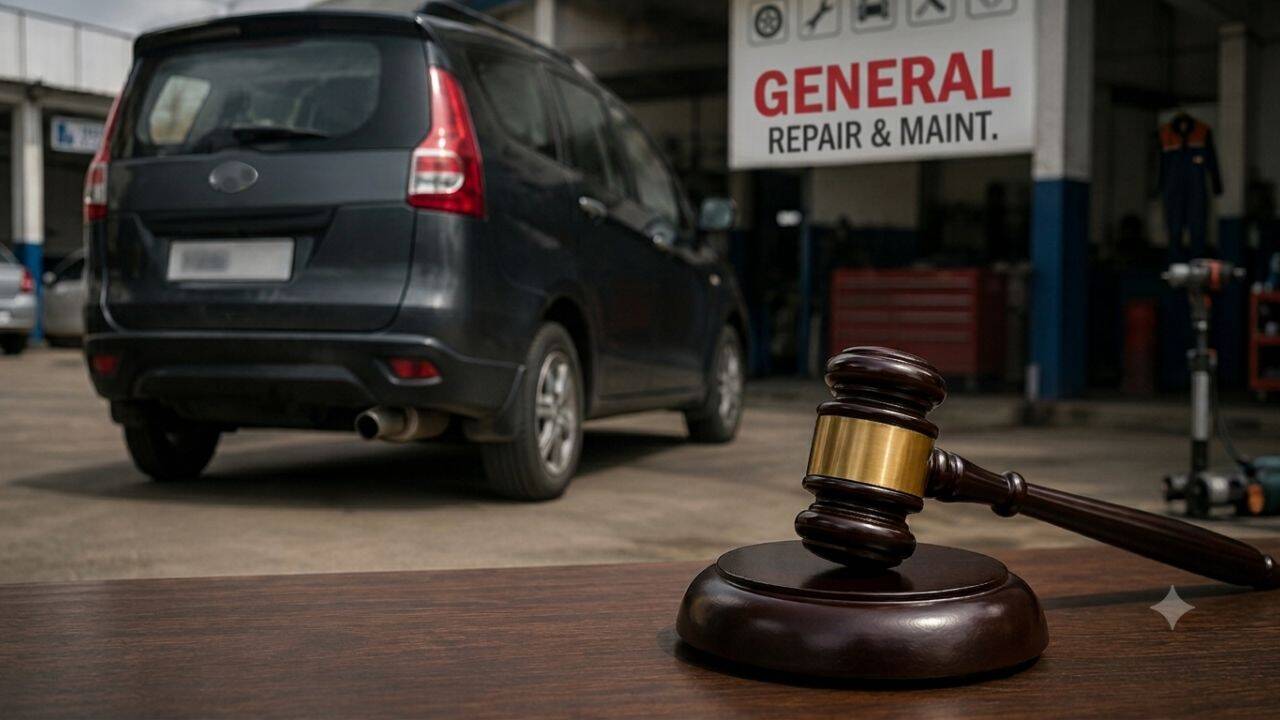
After a prolonged struggle against a manufacturer and dealer, a Madhya Pradesh man secures justice from the national consumer court over a faulty vehicle.
For Girish Tiwari, a routine trip to Bhopal in September 2021 turned into a nightmare when his Mahindra Marazzo began belching black smoke. The vehicle, purchased just over a year prior, had been serviced only 22 days earlier. What followed was a classic David-versus-Goliath struggle that wound its way through the district and state commissions before reaching the National Consumer Disputes Redressal Commission (NCDRC).
When the local dealer failed to fix the turbo system, they pivoted to a different narrative: the engine was ruined by adulterated fuel. They slapped Tiwari with a repair bill of over Rs 1.6 lakh, even after dangling a "goodwill discount" to soften the blow. Tiwari, sensing something was fundamentally wrong with their assessment, refused to pay. His instinct proved correct when he scrutinized the paperwork provided by the dealer.
The Paper Trail That Didn’t Add Up
The NCDRC bench, led by Justice A.P. Sahi, found the dealer’s conduct deeply questionable. The core of the dispute rested on a lab report that the dealer used to justify the fuel-adulteration claim. The dealer had sent a letter blaming the fuel on October 21, 2021; however, the actual laboratory test report was not generated until November 8 and was only officially issued on November 16.
When the bench demanded an explanation for this temporal impossibility—how the dealer knew the specific chlorine content of the fuel weeks before the test was conducted—the lawyers for both the manufacturer and the dealer were left speechless. The commission noted that the sequence of events rendered the report "highly improbable," further bolstered by the fact that the fuel sample had been collected without the complainant’s knowledge or participation.
Why it Matters
This case is a sobering reminder of the hurdles ordinary consumers face when challenging large corporations. For months, Tiwari was forced to navigate a system that initially sided against him; both the district and state commissions had dismissed his complaint, suggesting the fuel might have been tainted at a pump during the pandemic. It took a national-level intervention to cut through the noise and recognize that the burden of proof shouldn't rest on a consumer when a manufacturer's internal evidence is riddled with inconsistencies.
Beyond the Rs 1 lakh compensation and the engine replacement order, the verdict sets a vital precedent. It highlights the necessity for transparency in how service centers handle technical diagnostics. When a dealer claims a manufacturing defect is actually user error, they must provide verifiable, timely, and untampered evidence. Anything less, as the NCDRC has now demonstrated, will not hold up to the scrutiny of the law.
Priya Nair covers parties, elections and the business of power for PoliticalPedia.