When the Rains Don't Stop: How a Relentless Monsoon is Reshaping Life on the Ground
Monsoon Alert: Rivers Swell, Highways Sink as Monsoon Intensifies Across States
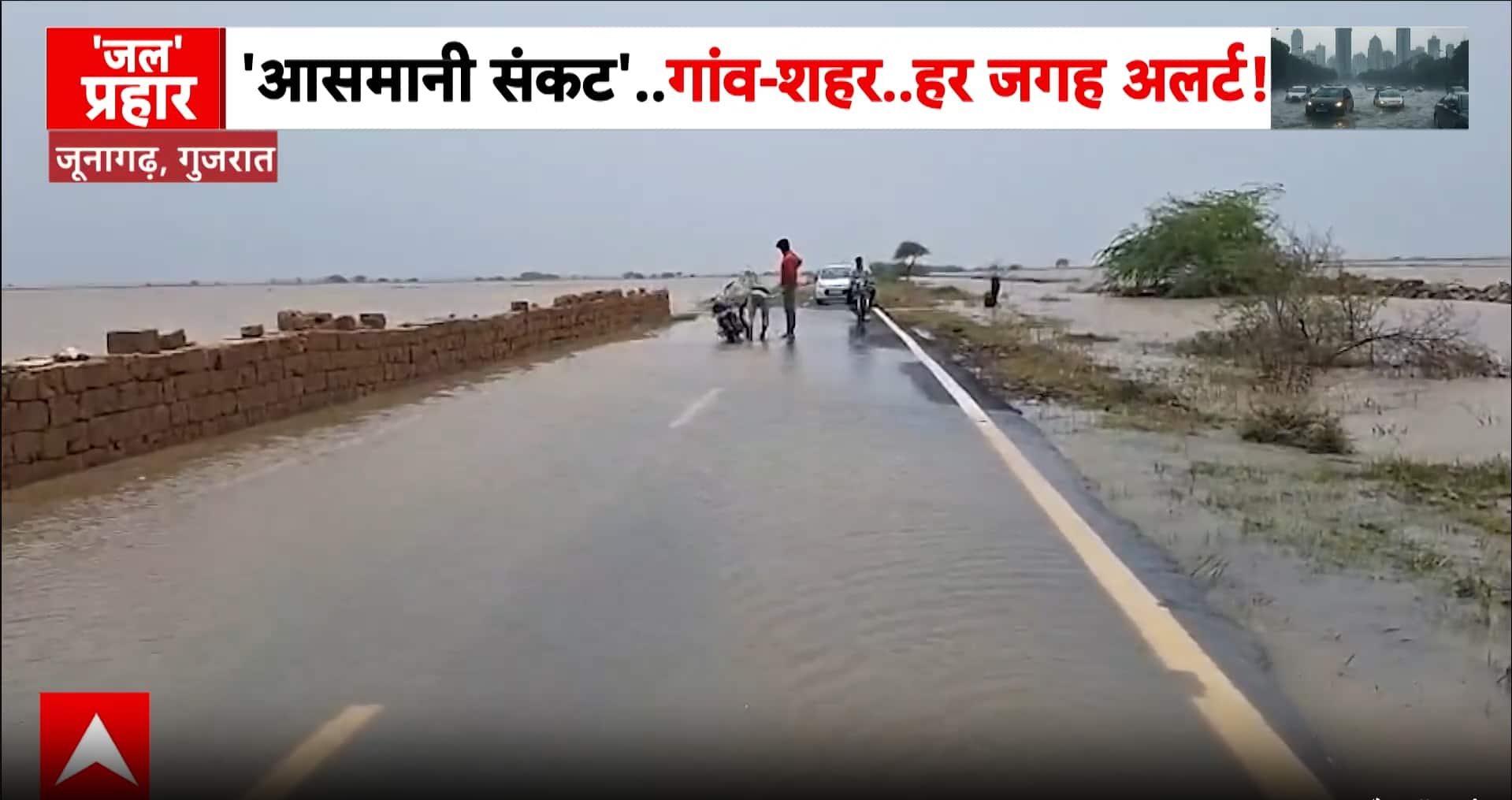
From submerged temple ghats in Ujjain to waterlogged fields in Gujarat, the intensifying monsoon is testing the resilience of India’s infrastructure and its people.
The familiar scent of petrichor has long been a welcome herald of the monsoon in India, but for thousands of families across the country, the current season has brought a far grimmer reality. As the monsoon intensifies across states, the sheer volume of water is doing more than just filling reservoirs; it is breaking the rhythm of daily life. In Junagadh, the challenge isn’t just the rain, but the aftermath: stagnant floodwater sits heavy in fields, choking crops and leaving farmers staring at a bleak harvest.
The geography of the crisis is vast. In Tapi district, the sight of the Gaekwadi Doswada Dam overflowing sent a ripple of anxiety through the region, forcing officials to put 17 villages on high alert. Down in the markets of Vapi, roads have turned into canals, grounding trade and leaving small business owners to count their mounting losses. Meanwhile, in the southern reaches, Kerala’s Malappuram district is grappling with the double-punch of gale-force winds and relentless downpours, turning quiet residential pockets into disaster zones.
Infrastructure Under Pressure
It isn't just the rural landscape that is buckling under the weight of the rains. Our arterial networks are showing signs of strain as highways sink and bridges hold their breath. The partial closure of the Amreli-Savarkundla National Highway serves as a stark reminder of how quickly connectivity can fray when the elements turn hostile. While repair crews have managed a temporary fix, the vulnerability of these pathways remains a persistent concern for commuters and supply chains alike.
Further inland, the spiritual and cultural heart of Ujjain has been touched by the rising water. The Shipra River, usually a serene backdrop to the city’s life, has swelled to submerge the iconic ghats and temples near Ram Ghat. When the river claims the space meant for worship, it signals to residents that the usual seasonal boundaries have been breached. With weather authorities keeping a tight watch on western India and parts of Uttar Pradesh, the alert remains active, suggesting that the worst may not yet be behind us.
Why it matters
The recurring pattern of infrastructure failure alongside extreme weather events points to a structural mismatch between our rapid development and the changing temperament of our climate. When highways collapse and agricultural land remains waterlogged for days, the economic ripple effects are often felt long after the skies clear. This isn't just about high-tide or heavy seasonal rainfall; it is about the increasing difficulty of maintaining connectivity and food security when the monsoon becomes this erratic. As urban and rural centers struggle to keep their heads above water, the need for climate-resilient infrastructure has moved from a long-term goal to an immediate, pressing necessity.
Kabir Sharma writes on culture, technology and everyday life for PoliticalPedia.