Mumbai’s Annual Monsoon Struggle: The 12 Reasons Why the City Floods
Explained: The 12 reasons why Mumbai floods year after year
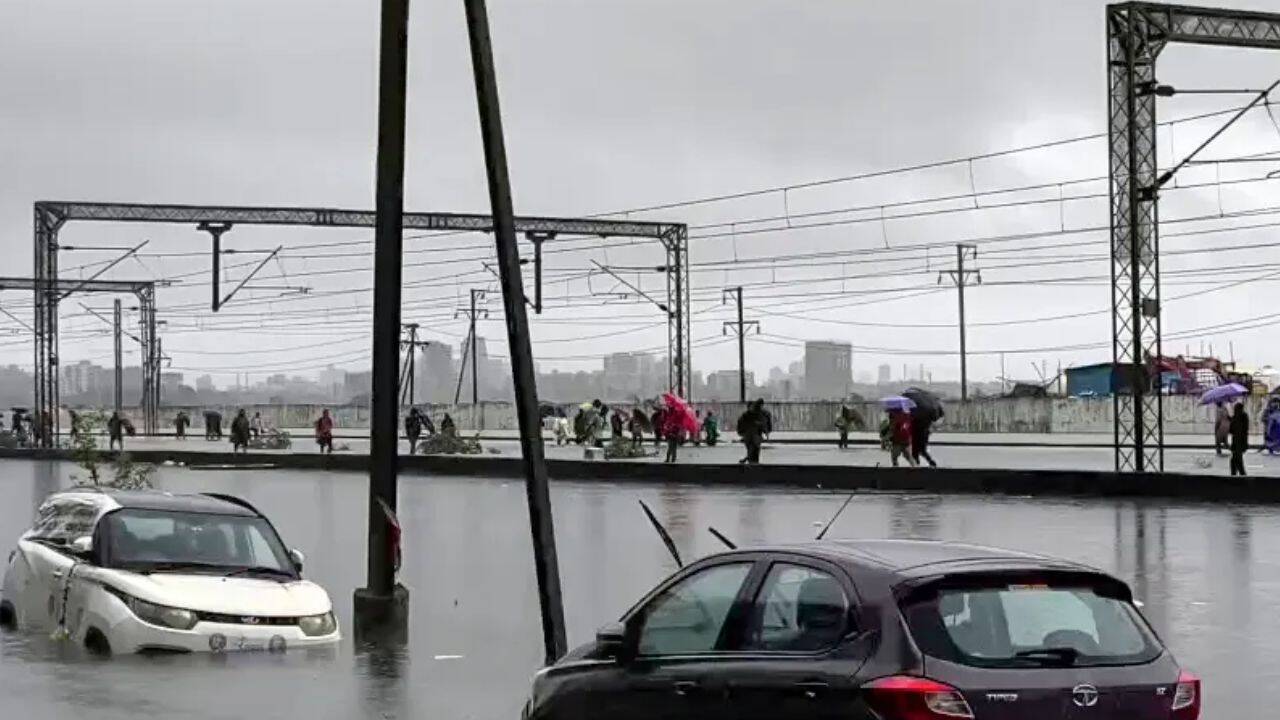
As the monsoon rains lash the metropolis, we break down why Mumbai’s infrastructure remains perpetually vulnerable to the city’s extreme weather cycles.
Every year, when the first heavy monsoon downpour hits Mumbai, the city’s rhythm breaks. Suburban trains crawl, arterial roads turn into rivers, and the daily commute becomes a gamble. While residents often point to clogged drains or delayed civic work, the reality is a complex web of environmental, geographical, and structural failures. It isn't just about bad luck or a particularly stormy season; it is a systemic crisis that repeats itself with clinical precision.
At the heart of the issue is the sheer volume of rainfall. Modern climate patterns have shifted, bringing intense, concentrated bursts of water—sometimes 150–300 mm in just a few hours. No drainage network, however well-engineered, is built to handle that level of discharge simultaneously. When these cloudbursts align with high tide, the city essentially becomes a bowl. With the Arabian Sea pushing back, the stormwater drains—designed to empty into the ocean—find their outlets completely blocked, leaving the water with nowhere to go but up onto the streets.
The Geography of the Crisis
Mumbai’s very foundation is part of the problem. Much of the city sits barely a few meters above sea level, making low-lying pockets like Hindmata, Sion, Kurla, and the Milan Subway natural reservoirs for runoff. This vulnerability is exacerbated by the shrinking of natural flood buffers. Over the decades, the city’s rapid urbanization has come at the cost of mangroves and wetlands, which once acted as sponges for excess water. Today, the natural flow of rivers like the Mithi, Dahisar, Poisar, and Oshiwara is heavily stressed, choked by debris and encroaching development.
Even as the city invests in upgrading its ageing drainage network, the capacity remains a bottleneck. Infrastructure projects often intersect with old pipes, and the sheer density of the city makes deep-level repairs nearly impossible to execute without massive disruption. When you combine high-intensity rain with the physical limitations of a reclaimed coastal city, the result is a predictable standstill.
Why It Matters: The Bigger Picture
This is no longer just a civic nuisance; it is a long-term economic and logistical risk. The pattern suggests that Mumbai is facing a permanent shift in "normal" weather. For a financial hub that operates on tight efficiency, the repeated failure of transport networks during the rains creates a silent tax on productivity. Relying solely on increasing drain capacity is a race against time that the city is currently losing. The data suggests that without a fundamental shift toward "sponge city" planning—where urban spaces are designed to absorb and hold water rather than just discharge it—the annual flooding will continue to define the monsoon experience.
Building a flood-resilient Mumbai will require more than just cleaning nullahs before the season starts. It requires a hard look at land use, the protection of remaining natural channels, and a massive investment in climate-adaptive infrastructure. Until then, the city will remain at the mercy of the tide and the clouds, waiting for the water to recede as it has for decades.
Rohan Gupta covers the economy, markets and companies for PoliticalPedia.