A Chilling Pattern: Why Dismemberment Has Become the Grim Signature of UP’s Crime Blotter
Man Kills Married Lover Over Chat, Chops Body, Dumps Parts Across UP
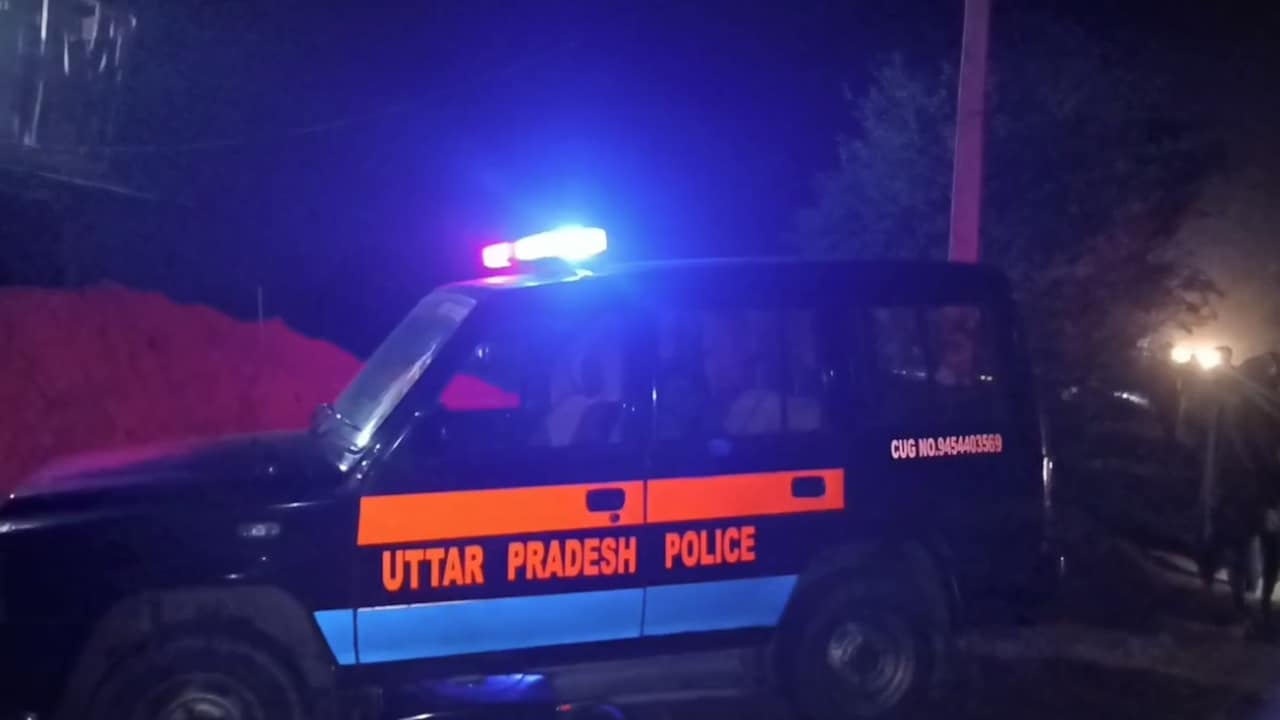
From the streets of Jaunpur to the industrial backdrop of Sambhal, a series of gruesome murders involving dismemberment has left investigators searching for answers behind a disturbing shift in criminal behaviour.
The latest case to haunt Uttar Pradesh involves a 38-year-old woman whose life ended not in a heat-of-the-moment dispute, but in a calculated act of violence. After an argument over a mobile phone chat, a man killed his married lover, chopped her body into pieces, and attempted to dump parts across the Jaunpur district. The suspect, 42-year-old Hemal Khakharia, was intercepted by police following an encounter, but his arrest has only underscored a harrowing trend: the increasing prevalence of killers resorting to the dismemberment of victims to mask identities and delay detection.
This incident is far from an outlier. Across the state, the methodology of these crimes—killing a spouse or partner, severing the remains, and scattering them across vast distances—is appearing with frightening frequency. In Sambhal, a wife and her lover used a wood grinder to dispose of her husband’s body after he caught them in an illicit relationship. In Meerut, a merchant navy officer was killed and his body sealed in a drum with cement by his wife and her paramour. In Shravasti, another man confessed to killing his wife and scattering her remains across a 10-kilometre stretch.
The Mechanics of Concealment
The pattern observed by police suggests a cold, utilitarian approach to murder. In the Sambhal case, the accused waited nearly 27 days before the crime was discovered, having initially filed a false missing person report to buy time. Similarly, in Jaunpur, the accused confessed that he dismembered the body specifically because he believed disposing of it in one piece would be logistically impossible. By using tools like grinders, knives, and even cement, perpetrators are attempting to bypass traditional forensic recovery, turning rural canals, drains, and fields into makeshift burial grounds.
For the police, these cases present a forensic nightmare. Identifying victims often relies on chance discoveries by locals or the recovery of specific markers, such as the tattoo found on a severed hand in the Sambhal investigation. Investigators are now forced to piece together victims from scattered remains, often relying on intensive, days-long interrogations to break the calculated silence of the accused.
Why it Matters: The Erosion of Social Fabric
Beyond the sheer brutality, these incidents point to a disturbing evolution in domestic crime. These are not merely cases of sudden rage; they are premeditated attempts to erase a human life entirely. The common threads—illicit affairs, dowry disputes, and the exploitation of mobile communication—suggest that the digital age is providing both the catalyst for conflict and, in some cases, a false sense of security for those attempting to "hide" their tracks.
The recurrence of these "blue drum" or "scattered parts" murders signals a failure of early intervention. In many of these instances, the victims had been subjected to long-term harassment or were living in volatile domestic environments that remained hidden from public view until the final, horrific act occurred. As law enforcement agencies grapple with this surge in dismemberment cases, the challenge lies in shifting from a reactive posture to a proactive one, identifying the warning signs of domestic violence before they escalate into the unthinkable.
Priya Nair covers parties, elections and the business of power for PoliticalPedia.