West Bengal CM Suvendu Adhikari Claims 4,800 Illegal Infiltrators Deported in Month-Long Drive
4,800 illegal infiltrators deported to Bangladesh, says Bengal CM Suvendu
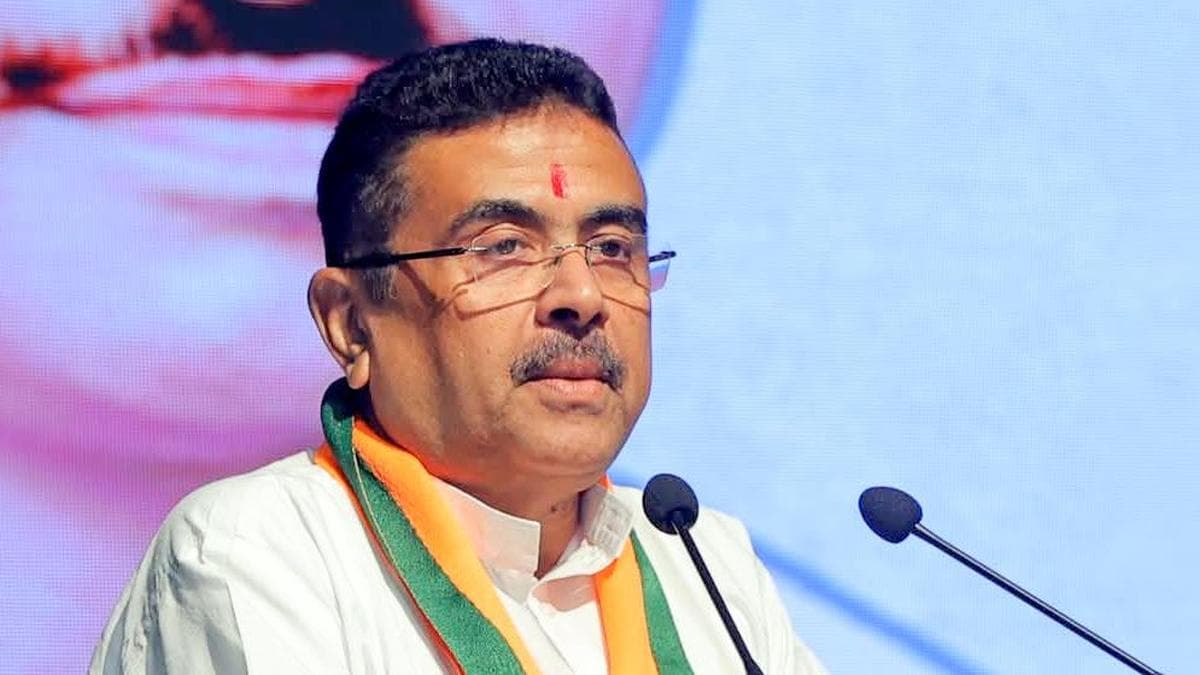
The Chief Minister asserts that his administration has shifted to a 'detect, delete, and deport' policy to address border security concerns.
West Bengal Chief Minister Suvendu Adhikari announced on Sunday that the state government has successfully deported 4,800 illegal infiltrators to Bangladesh over the past month. Speaking at the ‘Pandit Deendayal Upadhyaya Prashikshan Maha Abhiyan 2026’, the Chief Minister stated that these individuals did not fall under the purview of the Citizenship (Amendment) Act and were processed through established legal channels for repatriation.
Adhikari criticized the previous handling of such cases, claiming that undocumented migrants were historically treated as “guests” and provided state-funded support while being housed in prisons. Under the current administration’s policy, which he defined on May 20 as to “detect, delete and deport,” the government is now utilizing provisions to hand over identified infiltrators directly to the Border Security Force (BSF) rather than burdening the state’s judicial and correctional infrastructure.
Border Security and Infrastructure
The Chief Minister highlighted that the government has prioritized security along the state’s 2,216 km border with Bangladesh. According to Adhikari, approximately 556 km of this stretch remains unfenced, presenting a significant security challenge. In an effort to tighten control, the current government has handed over nearly 100 km of land to the BSF, with a specific focus on fortifying the strategically sensitive "Chicken Neck" corridor in the northern part of the state.
Beyond the 4,800 individuals already sent back, Adhikari noted that 836 people currently residing in newly established holding centers across border districts are slated for deportation. He also pointed to reports of voluntary crossings by undocumented individuals at border outposts, such as the one in Hakimpur, North 24 Parganas, as evidence of the shifting climate regarding migration enforcement in West Bengal.
Demographic and Policy Context
Adhikari framed these actions as a response to long-standing demographic shifts within the region, which he categorized as the primary issue facing the current government. By streamlining the interaction between state authorities and the BSF, the administration aims to ensure that deportation remains a central pillar of its border management strategy.
The move signals a departure from previous administrative approaches, marking a concerted effort to leverage central laws that allow for the direct transfer of illegal entrants to federal border agencies. As the government continues its drive to identify and clear these populations, the issue remains a critical focal point for the state’s security apparatus.
The PoliticalPedia Editorial Desk brings verified, sourced political news and analysis from across India.