West Asia Turmoil Drives Crude Beyond USD 100, Threatening Indian Household Budgets
Rising fuel prices to strain household budgets as West Asia crisis pushes crude above USD 100: Chief Economist Manoranjan Sharma
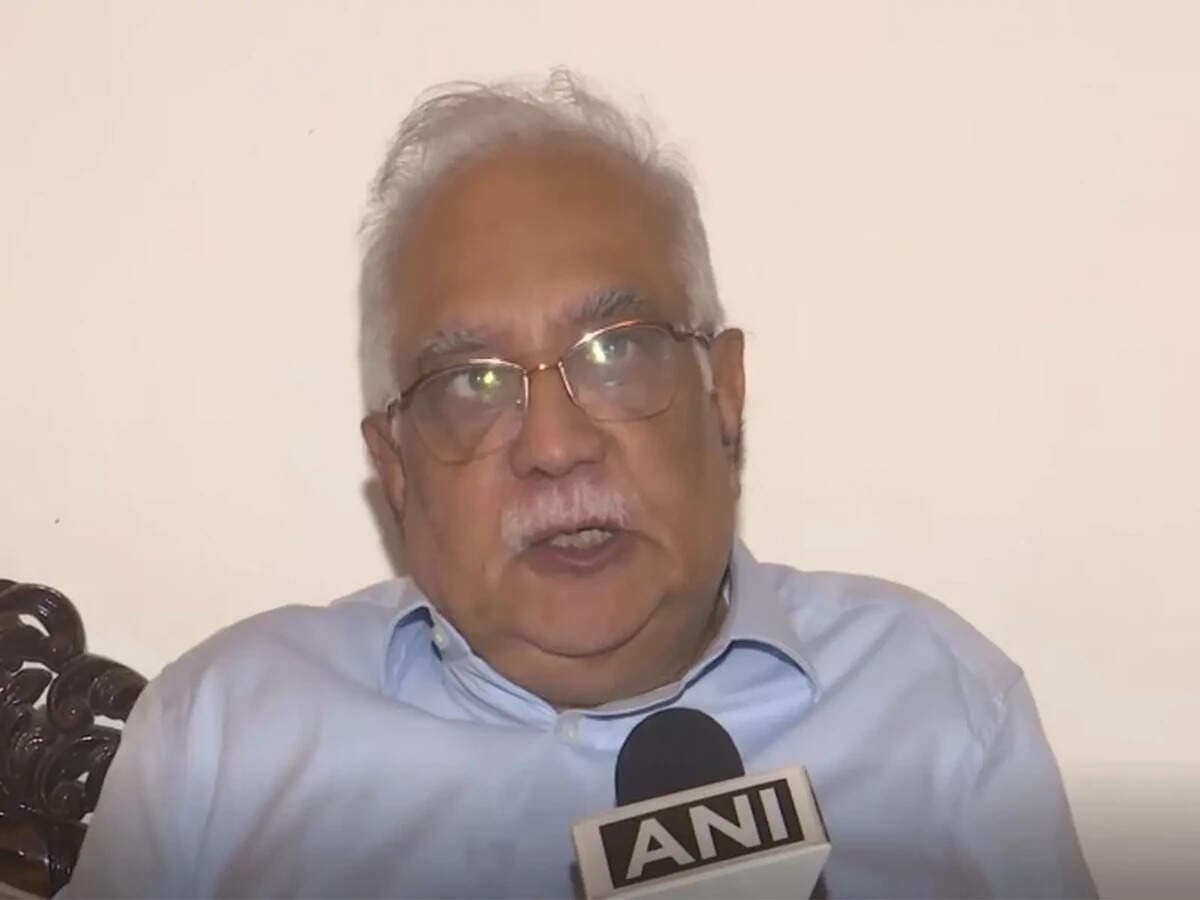
As global energy markets face unprecedented volatility, Chief Economist Manoranjan Sharma warns that rising fuel prices are becoming an unavoidable reality for the domestic consumer.
The deepening crisis in West Asia has sent shockwaves through global energy markets, forcing Brent crude prices past the USD 100 per barrel mark. For the Indian economy, which relies heavily on imports passing through the volatile Strait of Hormuz, the surge represents a significant inflationary pressure. Chief Economist Manoranjan Sharma noted that while the government has historically acted to shield the aam aadmi from extreme fluctuations, the sheer scale of this energy shock is testing the limits of fiscal policy.
A Supply Chain Under Pressure
The vulnerability of India’s energy basket is tied directly to the geography of its imports. With approximately 60 per cent of the nation’s crude supplies transiting through the Strait of Hormuz, the current geopolitical friction has triggered a sharp upward trajectory in costs. When the conflict first flared, oil was trading in the range of USD 67-68 per barrel. Today, spot prices for crude have reached as high as USD 120 to USD 130 per barrel, leaving domestic fuel pricing mechanisms in a precarious position.
According to Sharma, these rising costs are not merely a domestic concern but a global phenomenon that remains largely outside the control of Indian policymakers. While the government has attempted to cushion the impact on household budgets, there is an inherent ceiling to how much state intervention can absorb before the burden inevitably reaches the consumer. The result is a looming period of hardship for families already navigating a turbulent economic climate.
The Long-Term Transition
While the immediate outlook is dominated by rising fuel costs, the crisis has underscored the urgency of India's pivot toward energy independence. Sharma pointed out that India is currently making steady progress in renewable energy, with green sources already accounting for roughly one-third of the country's total energy production—a figure that ranks among the most favorable proportions globally.
However, transitioning away from a dependency on imported fossil fuels is a long-term endeavor. "This is something like a work in process," Sharma said, emphasizing that the shift cannot be achieved overnight. As the world watches the situation in West Asia, the balance between surviving immediate price shocks and building a sustainable, resilient energy infrastructure remains the primary challenge for the government.
Market Ripple Effects
The economic ripple effects extend beyond the pump. Recent reports suggest that broader industrial sentiment is also shifting, with sectors such as technology and chip manufacturing facing their own set of headwinds. As fuel prices impact logistics and operational costs, startups and large enterprises alike are re-evaluating their strategies, signaling a shift in gear across the wider business landscape to account for a more expensive energy environment.
The PoliticalPedia Editorial Desk brings verified, sourced political news and analysis from across India.