India Targets $70 Billion In Foreign Inflows Through Bold Tax and Debt Reforms
Sense in PM-EAC meeting: Moves to attract foreign funds can get $70 billion
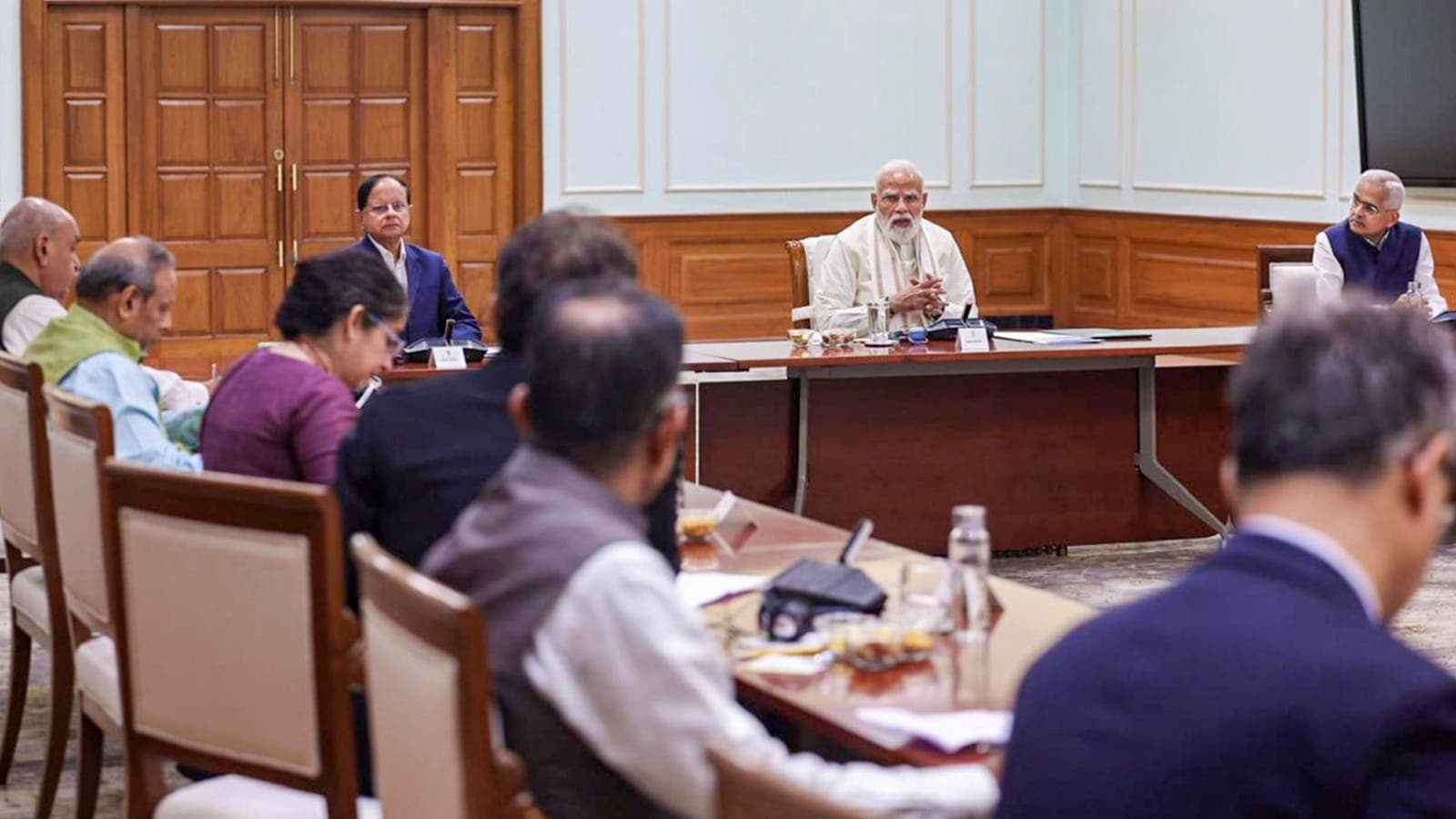
Prime Minister Narendra Modi’s latest Economic Advisory Council meeting outlines a strategic shift to bolster sovereign debt markets and sustain long-term fiscal momentum.
A series of high-stakes policy shifts by the government and the Reserve Bank of India (RBI) is poised to unlock approximately $70 billion in foreign funds, according to deliberations held during the latest Economic Advisory Council (EAC) meeting. Chaired by Prime Minister Narendra Modi, the session served as a platform to streamline India’s capital markets, with a particular focus on making the country’s debt instruments more attractive to global institutional investors.
Removing Tax Barriers to Capital
The policy overhaul, finalized on Friday, centers on the removal of tax hurdles that previously dampened foreign interest. The Ministry of Finance has officially scrapped both long-term and short-term capital gains taxes on Foreign Institutional Investor (FII) investments in government bonds. Furthermore, the withholding tax on interest income from these debt instruments has been eliminated. Industry experts suggest these changes are not merely incremental; they are designed to accelerate the inclusion of Indian sovereign debt in the prestigious Bloomberg Global Aggregate Bond Index.
The impact of this index inclusion cannot be overstated. Global funds often allocate capital based on a country's weight within these indices, meaning that once Indian government debt gains a formal footprint, passive investment flows will follow automatically. Analysts estimate that this move alone could trigger $20-25 billion in inflows over the next 10 months, significantly easing the government's cost of borrowing as it manages its fiscal deficit.
Expanding Banking and PSU Flexibility
Beyond tax reforms, the RBI is moving to broaden the liquidity pipeline. The central bank has introduced measures to simplify how banks mobilize foreign deposits, while simultaneously allowing Public Sector Undertakings (PSUs) greater leeway to raise external commercial borrowings. By diversifying the channels through which capital enters the economy, the government aims to decouple its growth trajectory from domestic volatility and create a more robust "Ease of Doing Business" environment.
Prime Minister Modi noted on social media that the discussions focused on both immediate economic transformation and long-term development. However, the meeting also addressed systemic risks. While international geopolitical tensions in West Asia remained a secondary concern, the council held a serious discussion on climate-related vulnerabilities. Specifically, members analyzed the impact of El Nino and sub-par rainfall forecasts from the India Meteorological Department, questioning how the country might better mitigate the economic risks posed by the erratic nature of the monsoon.
The Path Ahead
This dual-pronged strategy—combining aggressive financial sector liberalization with a pragmatic look at climate-resilient economic planning—reflects the current administration’s focus on long-term stability. By lowering the interest paid on government debt and deepening the bond market, the government is looking to build a fiscal buffer that can weather global economic headwinds. As the details of these moves permeate the market, the coming months will prove critical in determining how effectively India can convert these policy incentives into tangible, long-term capital inflows.
The PoliticalPedia Editorial Desk brings verified, sourced political news and analysis from across India.