PM Modi Pushes for 'Reforms Express' as EAC-PM Maps Strategy Against Global Headwinds
PM reiterates need to 'add more momentum' to reforms at EAC meet
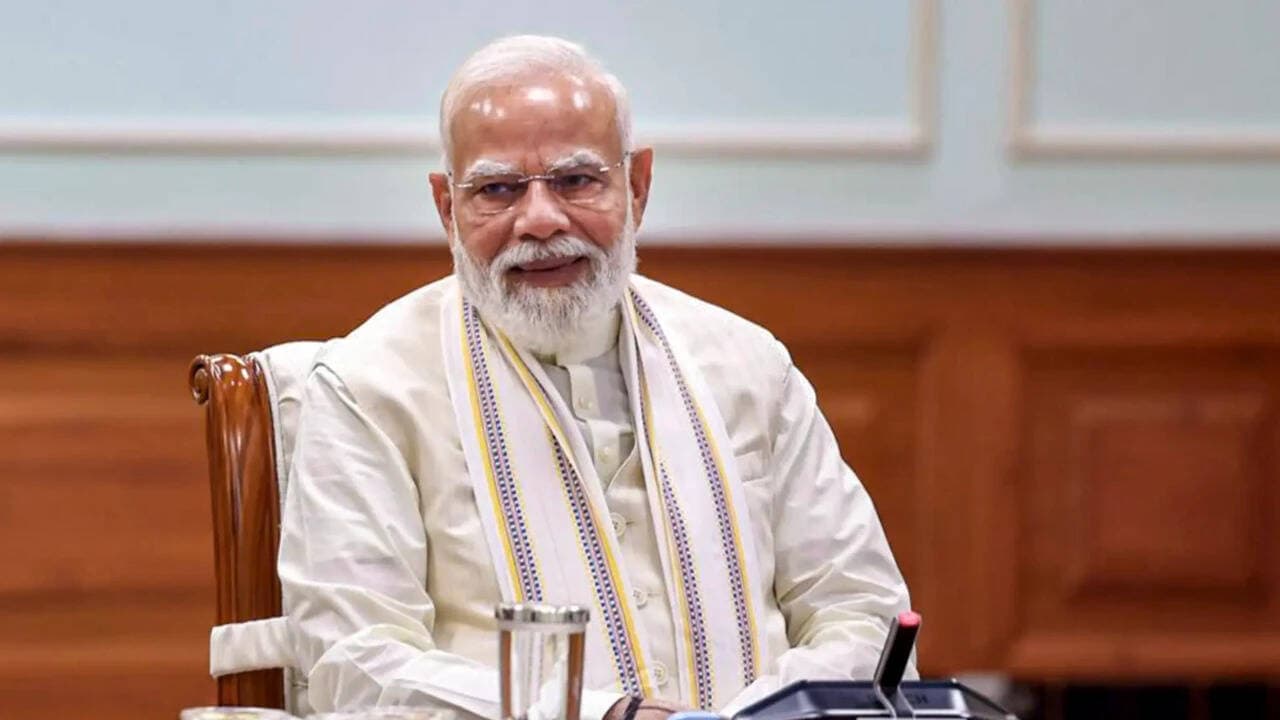
Amidst rising geopolitical volatility in West Asia, the Prime Minister has called for an accelerated reform agenda to sustain India's economic growth and improve the ease of doing business.
Prime Minister Narendra Modi chaired a high-level meeting of the Economic Advisory Council (EAC-PM) on Saturday, signaling a fresh push to fortify India's domestic economy against mounting global uncertainties. Coming just a day after the release of strong GDP figures, the session focused on maintaining growth momentum by streamlining governance and deepening structural reforms. The Prime Minister emphasized that the "reforms journey" must be accelerated, specifically targeting improvements in both 'Ease of Living' for citizens and the 'Ease of Doing Business' for the industrial sector.
Navigating Global Turbulence
The deliberations were heavily colored by the escalating conflict in West Asia, which remains a primary concern for policymakers. With risks to global trade flows, maritime shipping routes, and energy security, the council conducted a comprehensive assessment of how external shocks could impact India. Officials indicated that the discussion centered on contingency planning, particularly regarding crude oil supplies and the potential for supply-chain bottlenecks that could influence domestic inflation. While India has demonstrated resilience through recent global disruptions, the government is leaning into a strategy of "sustained vigilance" to protect its stable economic trajectory.
A Data-Backed Path to Resilience
The urgency of the meeting follows a positive economic report card, with India clocking 7.8% GDP growth in the fourth quarter—a figure that stands as the highest among major global economies. While government data from GST collections, e-way bills, and the purchasing managers' index suggests that growth momentum has carried into the current financial year, the administration is not leaving anything to chance. The Centre is reportedly keeping policy tools ready to mitigate risks from a potentially weak monsoon, which could dampen rural demand and create inflationary pressures in sensitive food segments.
Long-term Priorities and Structural Shifts
Beyond short-term crisis management, the council explored long-term development priorities designed to transform India’s economic landscape. Sources familiar with the closed-door consultation noted that the dialogue extended to job creation strategies and methods to empower micro, small, and medium enterprises (MSMEs). By integrating these micro-level improvements with broader macro-economic reforms, the government aims to create a more robust business-friendly environment that can withstand geopolitical tremors.
The EAC-PM, an independent body chaired by S. Mahendra Dev and including experts like Sanjeev Sanyal and Shamika Ravi, serves as the government's primary think-tank for these complex economic challenges. As the "Reforms Express" continues to gain speed, the emphasis remains on a two-pronged approach: shielding the country from volatile international commodity markets while ensuring that internal structural hurdles are dismantled to foster investment and consumer confidence.
The PoliticalPedia Editorial Desk brings verified, sourced political news and analysis from across India.