The 'Alone' Warning: Trump’s Blunt Message to Netanyahu Amidst Iran Escalation
US-Israel-Iran War News Highlights: Trump Warned Netanyahu He Could Be ‘Left Alone Against Iran’
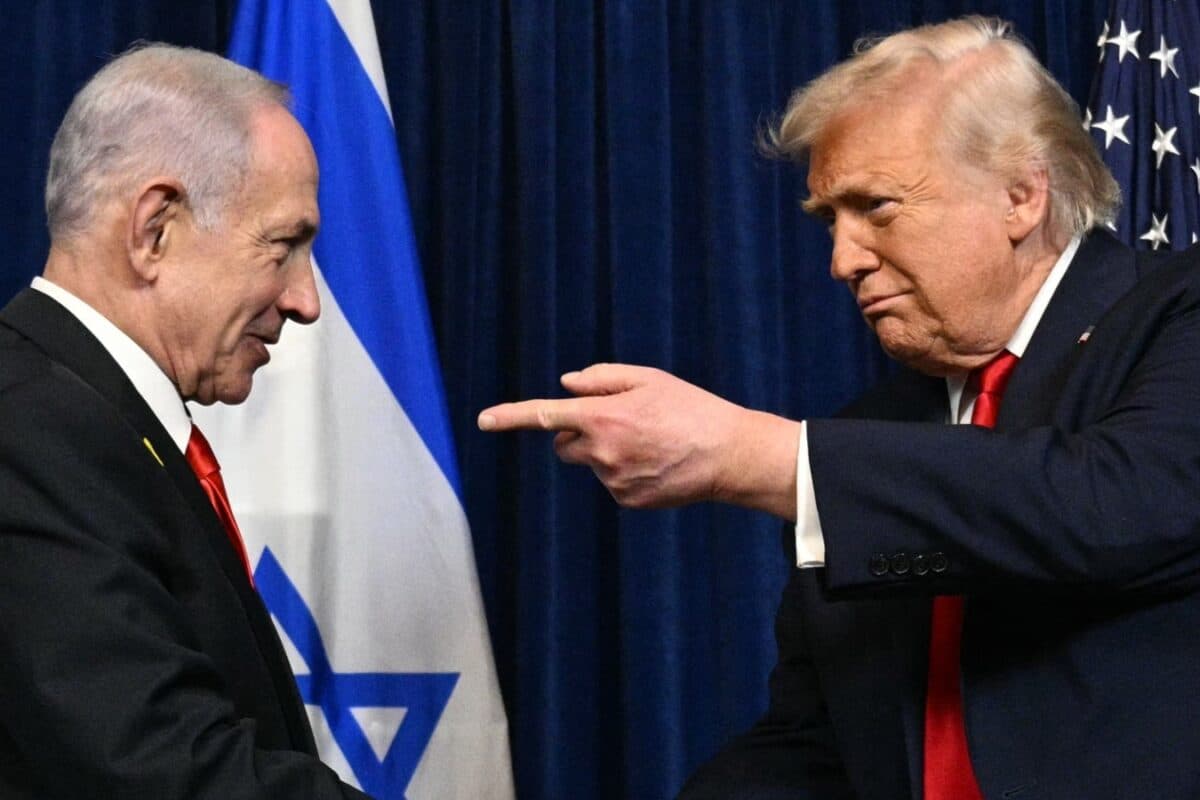
As the Middle East teeters on the edge of a fresh cycle of violence, Donald Trump’s intervention has added a volatile new layer to the Israel-Iran standoff.
The smoke had barely cleared over Beirut’s southern suburbs on Sunday after an Israeli strike killed two and wounded 20, when the gears of regional conflict began turning again. Tehran, true to its word that any attack on the Lebanese capital would invite a direct response, retaliated with a fresh wave of missile fire toward Israeli territory. This exchange marks the first such direct confrontation since a fragile, temporary truce was established in April, once again shattering the hope for a sustained cooling of tensions.
Behind the scenes, the diplomatic wires are buzzing with a mix of warnings and posturing. Reports now confirm that US President Donald Trump issued a stern, private caveat to Prime Minister Benjamin Netanyahu. During a recent call, Trump cautioned the Israeli leader to "be careful," bluntly asserting that if the conflict continues to spiral, Israel could be "left alone against Iran" very soon. The message is clear: the cushion of unconditional American military support may not be as infinite as Tel Aviv assumes if the regional war widens uncontrollably.
Posturing and Pressure
Tehran, meanwhile, is attempting a high-wire act of its own. While the regime announced a halt to its latest military operations on Monday, the caveat was unmistakable: any further Israeli aggression—specifically in southern Lebanon—will trigger a "more crushing" response. Mohammad Baqer Qalibaf, a top Iranian negotiator, has signaled a defiant stance against US pressure, suggesting that Tehran will not be cowed by potential naval blockades. "We are going to fight at our own time and negotiate at our own time," he declared, effectively framing the current hostilities as a long-term endurance test rather than a conventional tactical war.
Despite the rhetoric of "crushing" force and the reality of missiles crossing borders, the door to diplomacy has not been bolted shut. Iranian President Masoud Pezeshkian has maintained that Tehran remains firmly at the negotiating table, claiming that his country is not retreating from defense or dialogue. Yet, the trust deficit is absolute; both sides appear locked in a cycle where every "defensive" strike is viewed by the other as an act of intolerable aggression.
Why It Matters: The Bigger Picture
For New Delhi, watching these developments is more than a matter of international observation—it is a matter of energy security and the stability of the vital Indian Ocean trade routes. The conflict’s potential to disrupt the Strait of Hormuz, coupled with rising energy prices following strikes on infrastructure like the South Pars gas field, creates an immediate inflationary risk for India’s economy.
The pattern here is unmistakable: Netanyahu’s government is balancing its security objectives against the reality of a changing US foreign policy landscape. Trump’s warning to Netanyahu suggests that the "ironclad" nature of the US-Israel alliance is being recalibrated. If Israel is forced to confront Iranian power without the explicit, sustained backing of the American naval and intelligence apparatus, the regional power balance will shift dramatically. We are witnessing a transition from a managed proxy conflict to a direct, unpredictable confrontation where the traditional "red lines" are being erased in real-time.
World Desk at PoliticalPedia covers global affairs for an Indian audience in English and Hindi.