Wall Street Shivers: $1 Trillion Vaporised as Tech Stocks Face a Reality Check
$1.3 trillion erased from Wall Street: Here's what slowed down AI rally
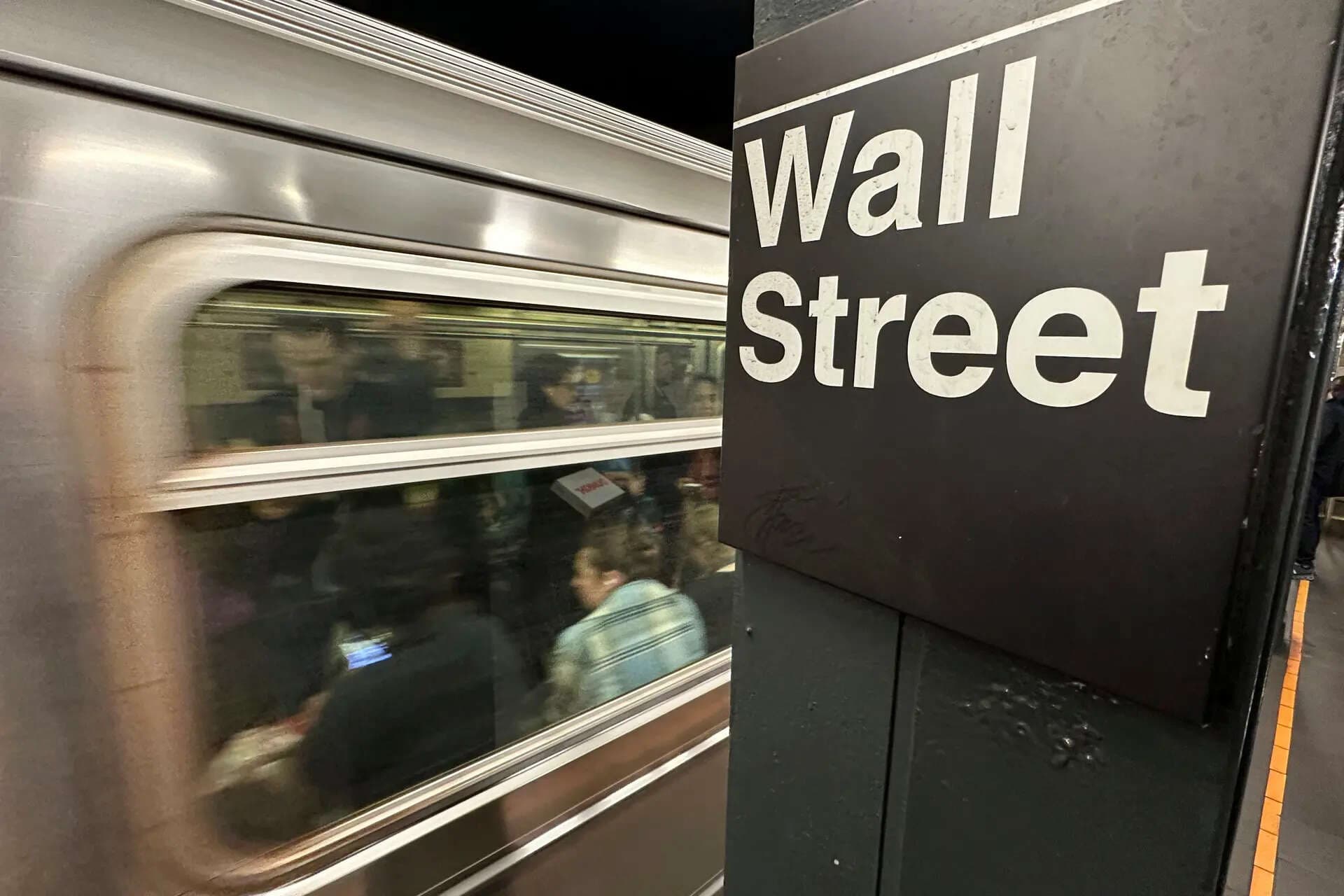
A volatile cocktail of soaring valuations, cooling investor confidence in infrastructure spending, and surprise competition from China has triggered a massive sell-off across US equity markets.
The once-unstoppable momentum driving Wall Street has hit a significant speed bump, with a staggering $1 trillion wiped off the market value of US tech giants in a single, bruising session. What began as a period of speculative euphoria has transitioned into a moment of intense scrutiny, as investors pivot away from the "Magnificent Seven" and semiconductor darlings. The rout, which saw the Nasdaq and S&P 500 post their sharpest declines in recent history, marks a psychological shift for traders who had grown accustomed to the relentless rally of the past year.
The Search for Return on Investment
At the heart of the turbulence is a growing skepticism regarding the massive capital expenditure being poured into artificial intelligence infrastructure. For months, firms have funneled billions into the hardware required to train large-language models, but Wall Street is increasingly asking a pointed question: where is the tangible return on this investment? Analysts point out that while the potential for the technology remains high, the short-term financial drain on hyperscalers is becoming impossible to ignore, leading to a broader reassessment of how much value these massive infrastructure bets actually generate.
Semiconductors Under Siege
The semiconductor sector, which had been the primary engine of the market’s growth, bore the brunt of the selling pressure. Industry stalwarts like Nvidia saw their valuations retract sharply, shedding hundreds of billions in market capitalisation as sentiment shifted from blind optimism to caution. The decline was exacerbated by earnings reports that failed to meet the market's sky-high expectations, particularly from key players like Broadcom. This "blindly buying the dip" mentality, which had been a reliable strategy for traders throughout the year, suddenly evaporated, leaving investors exposed as the PHLX Semiconductor Index plummeted.
A New Challenger Disrupts the Narrative
Adding to the instability is the emergence of DeepSeek, a Chinese research lab whose low-cost AI model has sent a tremor through Silicon Valley. By achieving high-performance results at a fraction of the cost associated with major US tech majors, the company has challenged the existing economic assumptions of the industry. This has forced investors to reconsider the long-term competitive moat of established US chipmakers, contributing to a broader slide that hit not just tech stocks, but energy and infrastructure companies as well.
Economic Headwinds and Federal Reserve Policy
Beyond the tech-specific sell-off, the broader market is grappling with macroeconomic indicators that complicate the path forward. Recent data showing a stronger-than-anticipated US labor market—with employers adding 172,000 jobs in May—has cooled expectations for aggressive interest rate cuts by the Federal Reserve. Higher bond yields, sustained by the robust economy, have made growth-heavy equities less attractive, prompting a rotation into smaller-capitalisation stocks. As uncertainty lingers regarding global geopolitical tensions and the long-term payoff of current technological spending, the market remains in a state of recalibration, signaling that the era of easy, broad-based gains may be facing a prolonged test.
The PoliticalPedia Editorial Desk brings verified, sourced political news and analysis from across India.