Venezuela Earthquake Death Toll Nears 3,000 as Rescue Operations Wind Down
Venezuela Earthquake Death Toll Nears 3,000 As Rescue Operations Wind Down
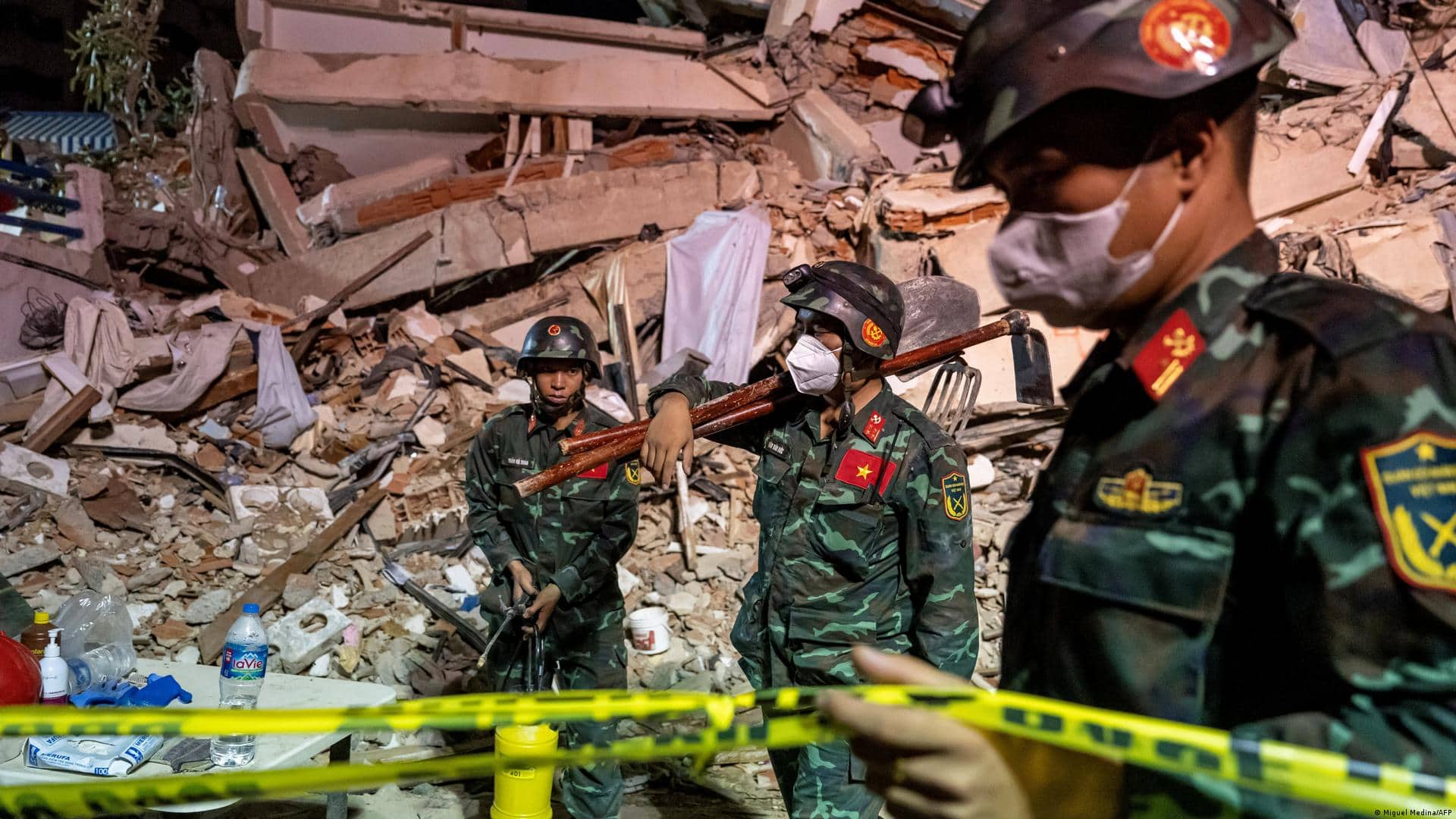
International teams pack their kits as the window for survivors closes in the wake of June’s devastating seismic disaster.
The dust is finally beginning to settle over La Guaira, but the scale of the tragedy is only now coming into sharp focus. As international rescue squads—including teams from Florida, Virginia, and California—prepare to head home, the official count of the dead in Venezuela has climbed to 2,954. What began as a frantic, high-stakes race against time following the back-to-back earthquakes on June 24 has transitioned into a somber recovery phase, leaving behind a nation grappling with a humanitarian crisis of immense proportions.
A Disaster Without Precedent
The twin tremors, clocking in at magnitudes of 7.2 and 7.5, struck the coastal region north of Caracas in mere seconds. The rapid-fire nature of the quakes caught the country off guard, triggering over 942 aftershocks that have kept survivors on edge for weeks. While local authorities have confirmed nearly 3,000 deaths and over 16,500 injuries, the true extent of the loss remains murky. The United Nations has offered a sobering contrast to official figures, estimating that as many as 50,000 people remain unaccounted for—a gap that highlights the sheer chaos on the ground.
Acting President Delcy Rodriguez has publicly defended the government’s response, pushing back against mounting criticism that emergency efforts were sluggish. During a ceremony where she awarded medals to international rescue teams and their canine units, Rodriguez acknowledged the "profound grief" gripping the nation. Yet, for thousands of families still sifting through the rubble of their homes, political defenses offer little solace. The withdrawal of international experts marks the end of a frantic search window, as the critical 72-hour period for finding survivors long ago passed.
Why it Matters: The Geopolitical Shadow
This disaster arrives at a precarious moment for Venezuela, testing the limits of its strained infrastructure and administrative reach. The reliance on international search-and-rescue teams underscores a critical vulnerability: the country’s limited capacity to manage large-scale natural catastrophes in isolation. As these teams depart, the focus must inevitably shift to long-term reconstruction and the massive task of accounting for tens of thousands of missing citizens.
For observers tracking regional stability, the aftermath of this quake is not just a humanitarian issue but a political one. The government’s ability to coordinate recovery, manage international aid, and maintain social order in the coming months will be a litmus test for its authority. When a state cannot provide basic security or clarity during a crisis of this magnitude, the resulting power vacuum often fuels domestic unrest. The world may be packing up its rescue gear, but for the people of Venezuela, the hardest part of the recovery is only just beginning.
Priya Nair covers parties, elections and the business of power for PoliticalPedia.