US Weighs Redirecting Frozen Iranian Assets to Fund Gulf Reconstruction Amid Escalating Tensions
Iran peace deal at risk? US considers redirecting Iranian assets to Gulf states
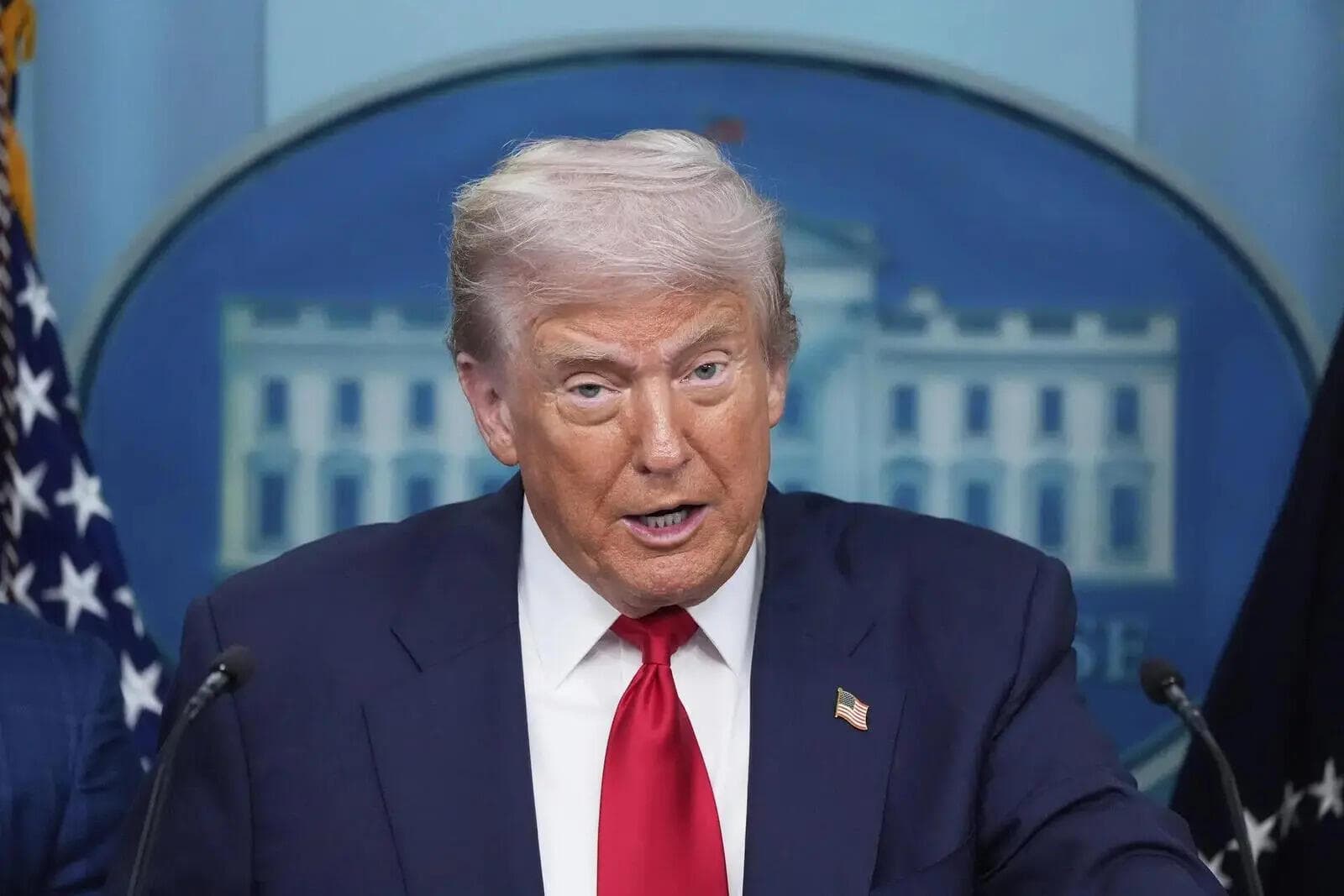
Washington is exploring a contentious plan to divert billions in frozen Iranian funds to cover repair costs for Gulf allies following a surge in regional missile and drone strikes.
The fragile diplomatic architecture between Washington and Tehran appears to be collapsing as the United States considers a radical shift in its financial strategy. Amid a flare-up in regional hostilities, US Treasury Secretary Scott Bessent has reportedly commissioned an assessment to determine the extent of damage inflicted on American Gulf allies by Iranian military operations. The proposal involves redirecting frozen Iranian assets—currently held by the US—to finance reconstruction and repair efforts in countries like Kuwait and Bahrain, which have recently faced direct ballistic missile and drone attacks.
This move marks a significant hardening of the American stance, occurring just as negotiations for an interim peace agreement have hit a wall. Mohsen Rezaei, a high-ranking military adviser to Supreme Leader Ayatollah Mojtaba Khamenei, recently stated that any potential deal is contingent upon the release of $24 billion in frozen Iranian funds. By signaling an intent to repurpose these very assets for Gulf reconstruction, the US is effectively creating a new obstacle that complicates both the trust-building process and the broader diplomatic roadmap.
The decision to review the allocation of these funds follows a volatile weekend in the Strait of Hormuz. US Central Command reported that military forces engaged in defensive operations, striking coastal radar installations at Goruk and on Qeshm Island after intercepting a series of hostile drones. The situation escalated further when the Iranian Revolutionary Guard launched a barrage of missiles targeting US facilities in Kuwait and Bahrain. While Iranian state media claimed successful strikes, American military officials maintained that the majority of the projectiles were intercepted or failed to reach their targets, leaving behind material damage but no reported casualties.
For the Gulf states, the prospect of utilizing Iranian assets for repairs is a reflection of the acute security challenges they face. The damage sustained by residential areas during the recent missile salvos has underscored the vulnerability of these nations to cross-border strikes. By potentially earmarking these frozen funds for Gulf reconstruction, Washington appears to be attempting to provide tangible support to its allies while simultaneously exerting financial pressure on Tehran.
Diplomatic observers note that the standoff over the $24 billion is now the primary barometer for the success or failure of the current ceasefire efforts. Tehran views the release of these funds as a critical test of American commitment to a diplomatic resolution, whereas Washington’s latest pivot suggests a prioritisation of regional security and the restoration of infrastructure over immediate financial concessions. As both sides remain entrenched in their respective positions, the possibility of a lasting agreement seems increasingly distant, replaced by a cycle of military skirmishes and retaliatory economic maneuvering.
The PoliticalPedia Editorial Desk brings verified, sourced political news and analysis from across India.