Why Iran Has Not Agreed to a Deal: Trump Says Tehran Remains ‘Strong and Proud’
Why has Iran not agreed to a deal yet? Trump says because 'they're strong and proud'
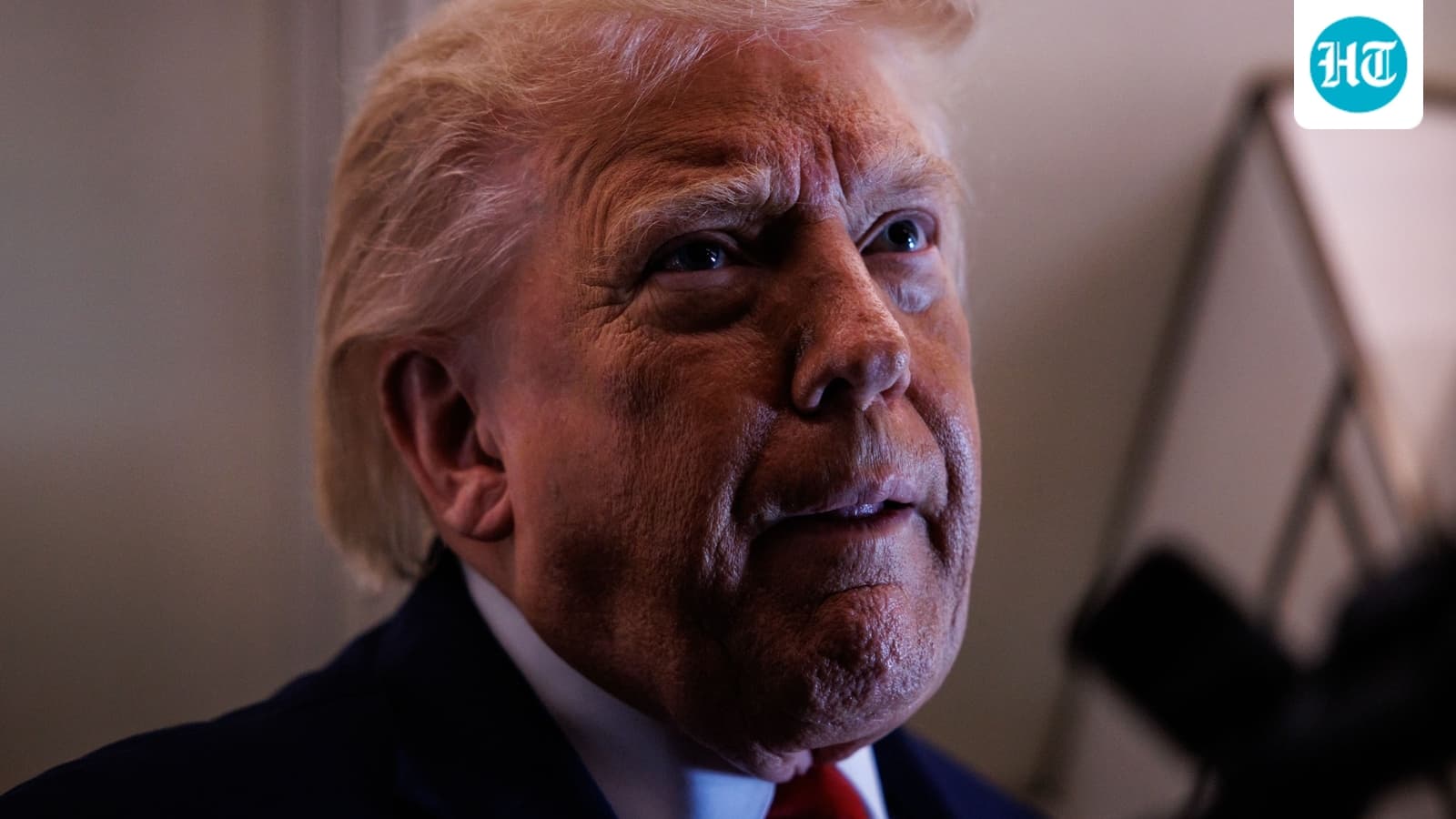
As the US-Iran conflict enters its fourth month, the US President claims that while Tehran is putting up a defiant front, shifting military realities will eventually force a diplomatic resolution.
The ongoing war between the United States and Iran has reached a critical juncture, with diplomatic efforts to secure a ceasefire agreement appearing increasingly fragile. US President Donald Trump, speaking to NBC News, suggested that the primary reason Iran has not yet agreed to a peace deal is the psychological struggle of its leadership. According to Trump, Tehran’s officials are "strong" and "proud," making it difficult for them to adjust to a new reality after four decades of operating with relative impunity.
The Reality of the Stalemate
While both nations reached a tentative ceasefire in April, the stability of the region remains under threat. Recent exchanges of strikes near the Strait of Hormuz have cast doubt on the longevity of the truce. Trump characterized the current Iranian leadership as being in a state of shock, noting that they are finding it difficult to reconcile their past influence with their current standing. He pointedly remarked that the Iranian regime has "no choice" but to eventually come to the negotiating table, as they are facing a level of tactical pressure they never anticipated.
Behind the scenes, the negotiations remain fraught with complexity. Tehran is reportedly conditioning any interim agreement on substantial economic concessions, specifically the release of billions of dollars in frozen oil revenues and the lifting of sanctions on crude exports. Furthermore, Iran continues to use its leverage over the Strait of Hormuz—a vital artery for global energy markets—by blocking the waterway, which has severely disrupted international shipping routes and compounded the ongoing oil crisis.
Shifting Military Dynamics
Military assessments appear to be fueling the administration's confidence. Recent reports suggest that Iran’s offensive capabilities have been significantly degraded, with claims circulating that Tehran now retains only 21% to 22% of its original missile stockpile. This attrition is a central factor in Washington’s calculus, with the US President arguing that the current conflict should have been addressed by previous administrations to prevent the unchecked expansion of Iranian influence.
However, the path to peace is far from clear. Beyond the stalemate at the negotiating table, the conflict is forcing regional players to recalibrate their security stances. Reports from the UAE indicate that drones targeting the Barakah nuclear power plant originated from Iraqi territory, underscoring the expansion of the theater of war. As the US considers a potential exit strategy, the threat of rising energy costs and the possibility of other nations being pulled into the fray continue to weigh heavily on global markets.
A Diplomatic Crossroads
Despite the rhetorical posturing, there are signs that behind-the-door channels remain active. Efforts to secure a broader agreement are ongoing, with intermediaries like Pakistan’s government reportedly engaged in the process. Yet, with the US signaling that it may not extend the current truce indefinitely, the window for a negotiated settlement is narrowing. Whether the pride of the Iranian leadership will yield to the economic and military pressures described by the White House remains the most significant variable in this escalating international crisis.
The PoliticalPedia Editorial Desk brings verified, sourced political news and analysis from across India.