U.S. Military Strikes Iranian Radar Sites After Drones Launched Toward Strait of Hormuz
U.S. military says it shot down Iranian drones launched toward Strait of Hormuz
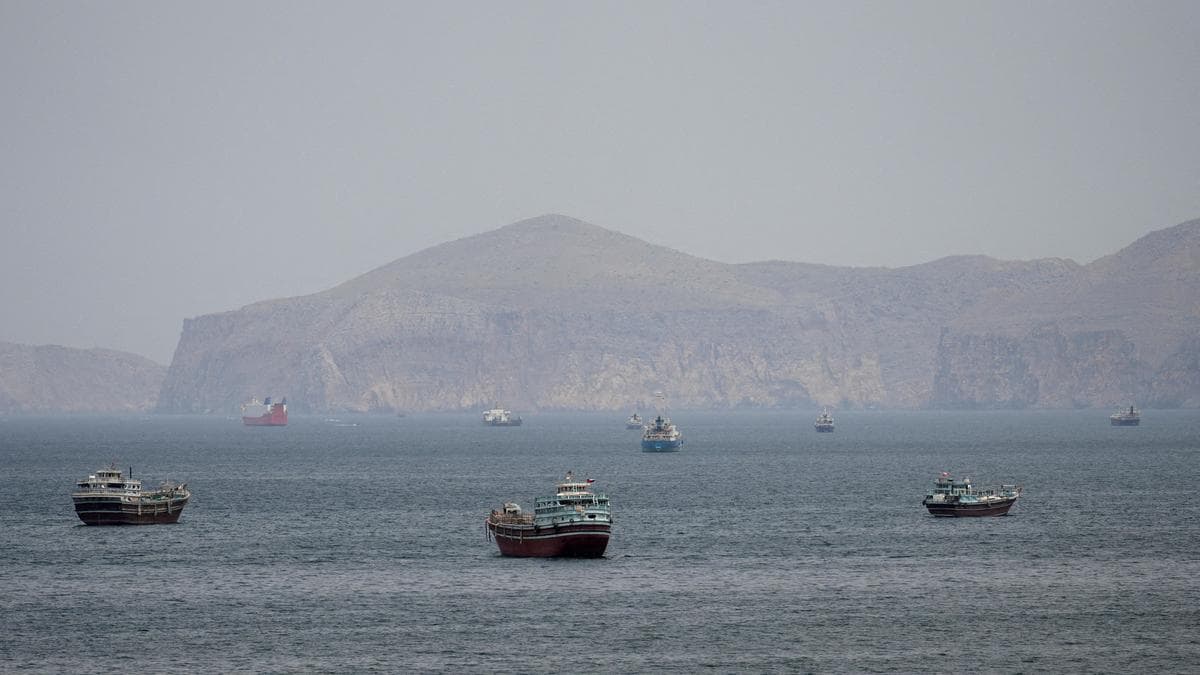
Tensions in the Middle East escalate as U.S. forces intercept aerial threats near a vital global energy corridor, further complicating the fragile regional ceasefire.
The U.S. military confirmed it successfully shot down four Iranian drones aimed at the Strait of Hormuz on Friday, June 5, 2026. In a tactical retaliatory move, U.S. Central Command (CENTCOM) launched strikes against several of Iran’s coastal surveillance radar sites. The military stated that the drones posed an "immediate threat" to maritime traffic, underscoring the volatility surrounding one of the world's most critical chokepoints for global oil and natural gas shipments.
A Chokehold on Global Energy
The recent confrontation comes as the U.S. military enforces a blockade on Iranian ports. This strategy is a direct response to Tehran’s efforts to control the Strait of Hormuz, a move that has triggered a significant spike in global energy prices. The region remains on edge, as the exchange of fire represents the latest fracture in a tenuous ceasefire agreement that has struggled to hold amid the broader Israel-Iran war.
The atmosphere of instability was compounded earlier this week by a deadly strike in Kuwait. Iranian drones hit a passenger terminal at the country’s main airport, resulting in one fatality and dozens of injuries. The attack forced a brief closure of the airfield, signaling that the conflict’s reach is expanding well beyond the immediate borders of the warring nations.
The Diplomatic Tightrope
Despite the escalating violence, the White House maintains an optimistic public stance. President Trump reiterated his confidence in the administration’s handling of the crisis during an Oval Office briefing on Thursday, stating, "We're going to win one way or another." His administration has championed a newly brokered ceasefire between Israel and the Lebanese government, though that agreement faces immediate hurdles.
The situation in Lebanon remains precarious. Israeli forces have successfully seized significant territory in the south, yet the Iran-backed Hezbollah militant group has formally rejected the U.S.-backed truce. With both sides continuing to launch attacks, the conflict in Lebanon is now inextricably linked to the broader hostilities. Iran has explicitly demanded that any lasting truce must encompass the Lebanese front, complicating U.S. efforts to stabilize the regional maritime corridor and secure a definitive end to the fighting.
The PoliticalPedia Editorial Desk brings verified, sourced political news and analysis from across India.