US Imposes Fresh Sanctions on Cuban President Miguel Díaz-Canel and Inner Circle
US sanctions Cuban President Miguel Díaz-Canel in latest pressure on its leadership
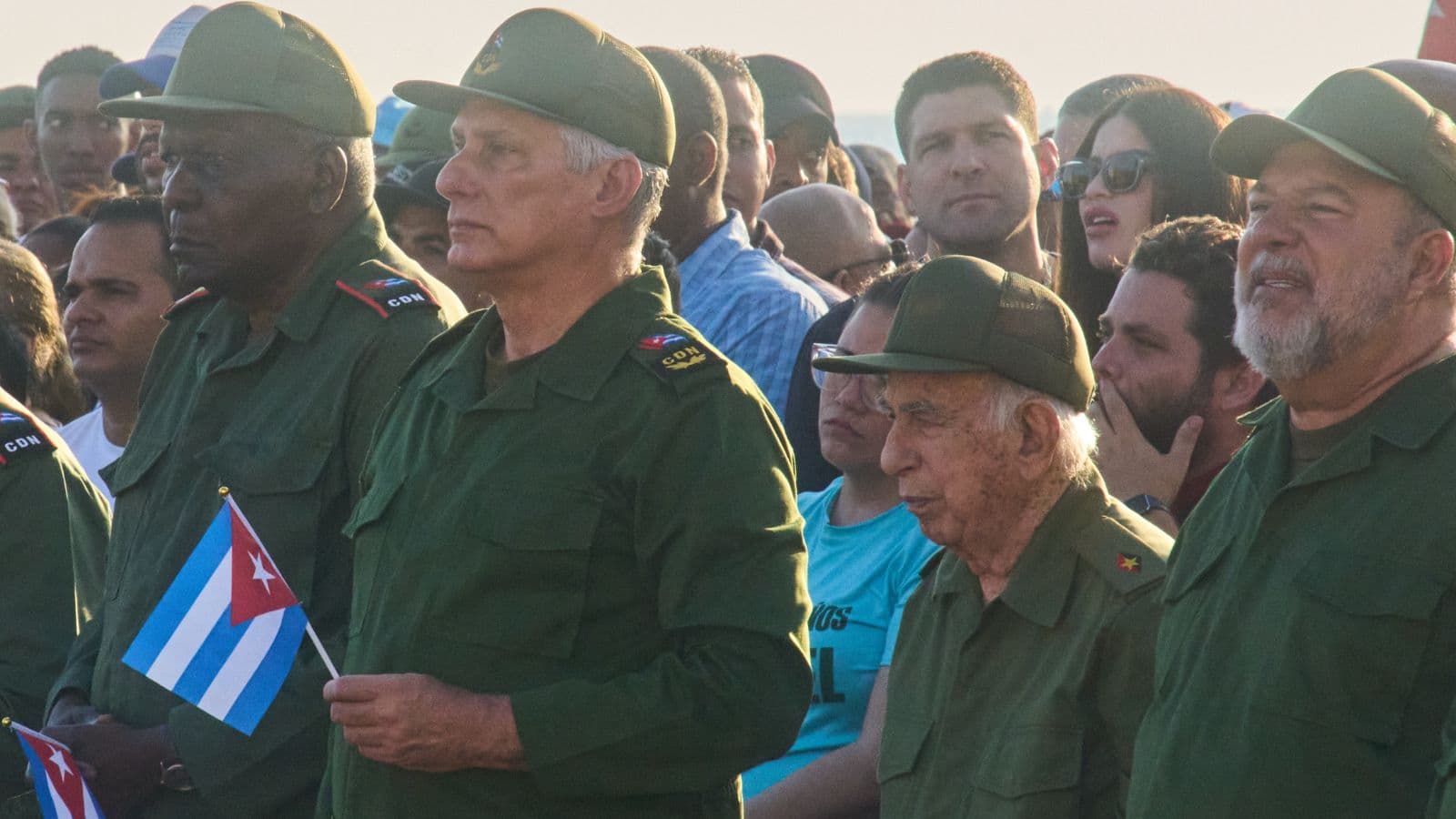
The United States has enacted a new round of financial penalties targeting the Cuban leadership, freezing assets and escalating the diplomatic standoff over the island’s ongoing economic crisis.
The United States government has officially placed Cuban President Miguel Díaz-Canel under sanctions, marking a significant intensification in the pressure campaign directed at the island’s governing hierarchy. According to filings from the U.S. Treasury Department, the move targets the president alongside his wife, Lis Cuesta Peraza, and several other individuals linked to the administration. The sanctions extend to five entities, most notably the Ministry of the Revolutionary Armed Forces, further isolating key pillars of the Cuban state.
Targeting the Castro Legacy
The latest penalties also reach into the extended influence of the Castro family. Among those sanctioned are Alejandro Castro Espín, the son of former President Raúl Castro, and his son, Raúl Alejandro Castro Calis. Alejandro Castro Espín, who previously acted as an adviser to Cuba’s national security commissions, is a high-profile figure who was present during the historic 2016 meeting between Raúl Castro and then-U.S. President Barack Obama. These measures represent a broadening of the U.S. strategy, which has recently included the filing of criminal charges against the elder Castro.
The sanctions mandate a freeze on any property or bank accounts these individuals may hold within the United States. However, experts remain skeptical regarding the immediate financial impact of these measures. Richard Feinberg, a former U.S. national security adviser on Latin America, noted that it is "pretty unlikely" that the senior Cuban leadership maintains significant, accessible assets within the American financial system.
Rising Tensions and Economic Fallout
The climate between Washington and Havana has grown increasingly volatile. U.S. President Donald Trump has linked the current sanctions to a broader objective of regime change, suggesting that the administration is eager to see the island transform into a more open economy. This rhetoric has been accompanied by a strict energy blockade, which has curtailed fuel shipments to the country. The resulting scarcity of power and resources has fueled widespread blackouts and severe food shortages, deepening the economic collapse across the island.
Speaking on the matter, President Trump suggested that his administration is prepared to "handle" the situation in Cuba once other military and geopolitical priorities are addressed. While the U.S. describes these steps as necessary for promoting a "nicely run" nation, the Cuban government has remained defiant. In separate developments, the U.S. has also invoked visa restrictions against judicial and prison officials linked to the detention of participants from the July 2021 anti-government protests, signaling a multi-pronged approach to challenging the current administration in Havana.
The PoliticalPedia Editorial Desk brings verified, sourced political news and analysis from across India.