Pentagon Flags Critical Espionage Threat: Which US Officials Are Being Targeted by Israeli Surveillance?
Which US Officials Are Being Targeted by Israeli Surveillance? Pentagon Flag Major Espionage Threat
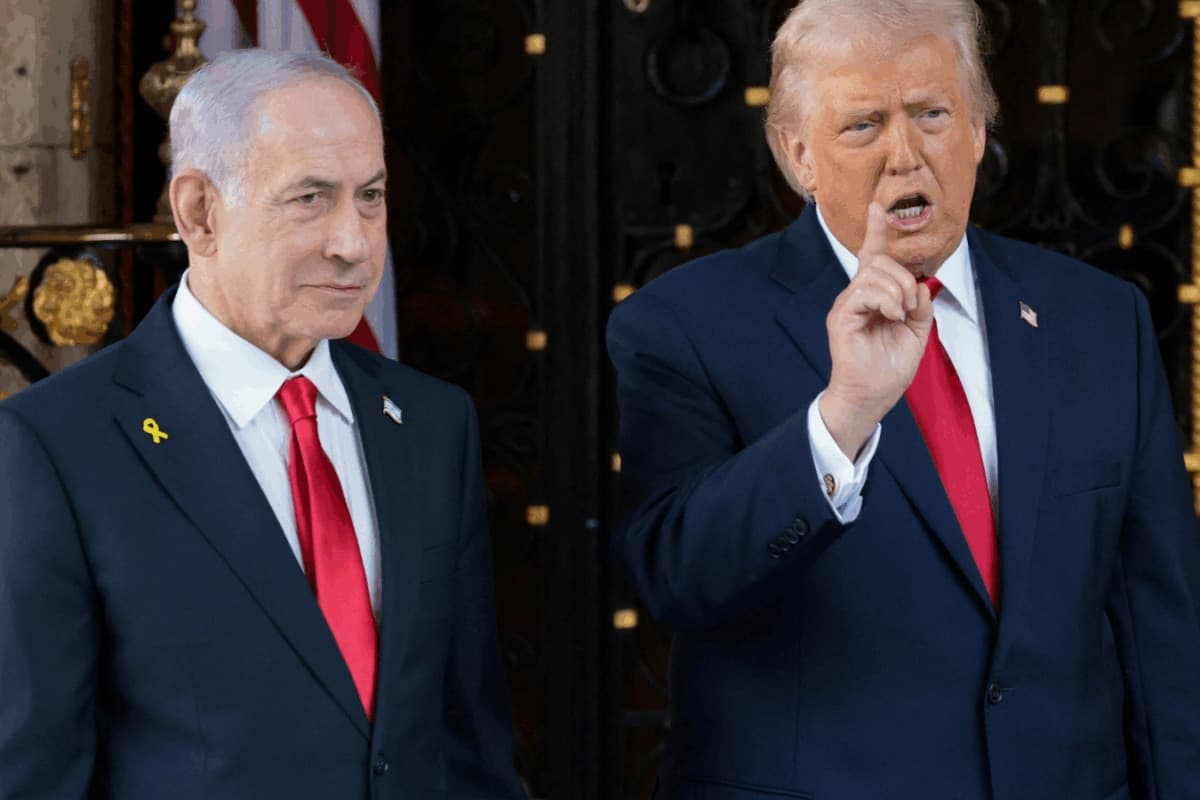
The US defense establishment has escalated its counterintelligence threat assessment for Israel to the highest level, citing aggressive intelligence-gathering efforts directed at senior Trump administration officials.
The Pentagon has officially moved to elevate its counterintelligence threat assessment regarding Israel to "critical," marking a significant shift in the traditionally cooperative intelligence relationship between the two nations. While Washington and Jerusalem have long maintained an understanding regarding the tolerance of certain espionage activities between allies, defense officials suggest that recent operations have crossed a boundary. The current friction appears to be deeply rooted in divergent approaches toward ongoing talks with Iran, with the US intelligence community detecting a pattern of surveillance aimed at uncovering the Trump administration's strategic position.
A Targeted Intelligence Campaign
The heightened alert follows reports from the Defense Intelligence Agency (DIA) and other military intelligence branches, which identified specific incidents of Israeli surveillance inside the US defense establishment. Among the primary figures being targeted, according to internal assessments, are President Donald Trump’s special envoy, Steve Witkoff, and key Pentagon policy officials, including Elbridge A. Colby and his deputy, Michael P. DiMino IV. Colby, known for advocating a restrained foreign policy, has become a focal point of these surveillance efforts as Israel seeks to anticipate American maneuvers regarding regional conflict de-escalation.
The escalation to a "critical" threat level—a move confirmed by multiple sources—signifies that the Pentagon no longer views these activities as routine intelligence collection. US officials, speaking on condition of anonymity, indicated that the surveillance efforts appear designed to provide the Israeli government with insights into the internal deliberations of the Trump administration. This perceived breach of trust comes at a time when the White House is attempting to navigate high-stakes diplomacy in the Middle East, particularly concerning Lebanon and Iran, where Israeli and American strategic interests have increasingly diverged.
Strained Alliances and Diplomatic Fallout
For years, the "spying among friends" narrative has been a quiet, accepted reality of the US-Israel intelligence architecture. However, the current surge in activity suggests that the Israeli security apparatus is operating with a renewed sense of urgency, potentially fearing that American backchannel communications could undermine Israeli military objectives. While Israel has officially denied the allegations of espionage, the Pentagon’s formal reclassification of the threat indicates that the US military is no longer willing to overlook these breaches.
The fallout from these reports threatens to complicate the existing bilateral framework, which has already been tested by disagreements over the intensity of Israeli military strikes in Lebanon and the broader regional conflict. As the US defense establishment hardens its counterintelligence posture, the challenge for both governments will be to contain the fallout from this espionage controversy without irreparably damaging a partnership that remains vital to their respective national security interests in the Middle East.
The PoliticalPedia Editorial Desk brings verified, sourced political news and analysis from across India.