Rising Tensions in Strait of Hormuz: US Forces Down Iranian Drones Amid Regional Conflict
US destroys two Iran drones ‘threatening’ traffic in Strait of Hormuz amid rising tensions
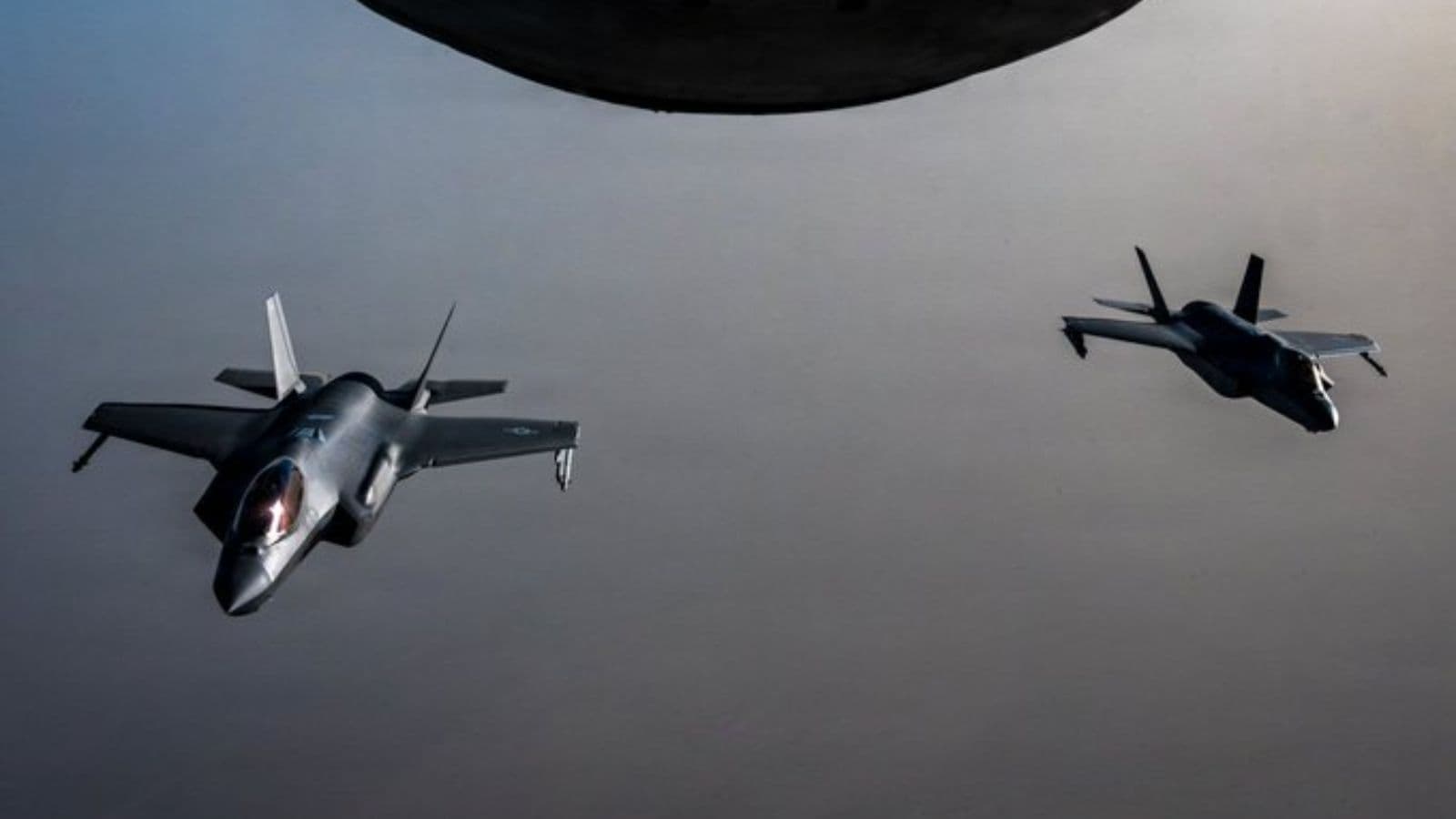
US military action in the Gulf intensifies as international observers warn of potential disruptions to global shipping lanes and energy markets.
The strategic Strait of Hormuz has become the latest flashpoint in the escalating West Asia conflict, as US forces intercepted and destroyed two Iranian drones deemed to be threatening commercial traffic. This incident, confirmed by CENTCOM, marks a significant spike in maritime instability, occurring against a backdrop of wider hostilities involving Iranian-backed groups, Israel, and the United States. While the military engagement was localized, it underscores the precarious nature of one of the world's most critical maritime chokepoints.
A Fragile Maritime Corridor
For the global economy, the Strait of Hormuz is more than a geographic feature; it is a vital artery for energy transit. Following the reports of the drone interceptions, international markets reacted with notable volatility, as oil and gas prices experienced a sharp jump. Concerns persist among shipping insurers and logistics providers that the broader regional conflict could lead to the deployment of naval mines or further drone strikes, potentially forcing a slowdown in the flow of hydrocarbons that power economies across Asia and the West.
Regional Dynamics and Diplomatic Hurdles
The current standoff is inextricably linked to the broader Iran-Israel-US triangular tension. Recent reporting suggests that while diplomatic efforts are underway to prevent a full-scale regional war, Iran has simultaneously threatened to "completely close" the strait should its national interests be further compromised. This rhetoric, coupled with reports of Iranian missile and drone activity targeting Gulf nations, has put regional security architecture under immense strain. Analysts tracking these developments at the Express Global Desk note that these tactical skirmishes serve as a barometer for how quickly localized friction can spiral into a systemic crisis.
Policy Implications and Global Security
Beyond the immediate military maneuvers, the conflict poses significant challenges for international policy. For Indian policymakers and the global community, the stakes are high, particularly regarding energy security and the safety of the merchant fleet. Historically, the US military presence in the region has been a pillar of maritime stability, but as the conflict widens, the reliance on such deterrence is being tested. With the threat of a prolonged conflict, observers are monitoring whether this will impact broader geopolitical trajectories, including shifting migration patterns and the stability of international trade corridors.
Looking Ahead
The situation remains fluid. While the destruction of the two drones may appear as a standalone defensive measure, it is part of a larger, more dangerous puzzle. As the international community seeks to de-escalate, the focus remains on whether diplomatic channels can contain these localized clashes before they cause long-term disruptions to the international order. For now, the Strait of Hormuz remains a high-stakes arena where military posturing and economic reality collide.
The PoliticalPedia Editorial Desk brings verified, sourced political news and analysis from across India.