US gas prices dip below $4 for the first time since March, but the relief remains fragile
US gas dips below $4 again, yet household budgets remain under pressure
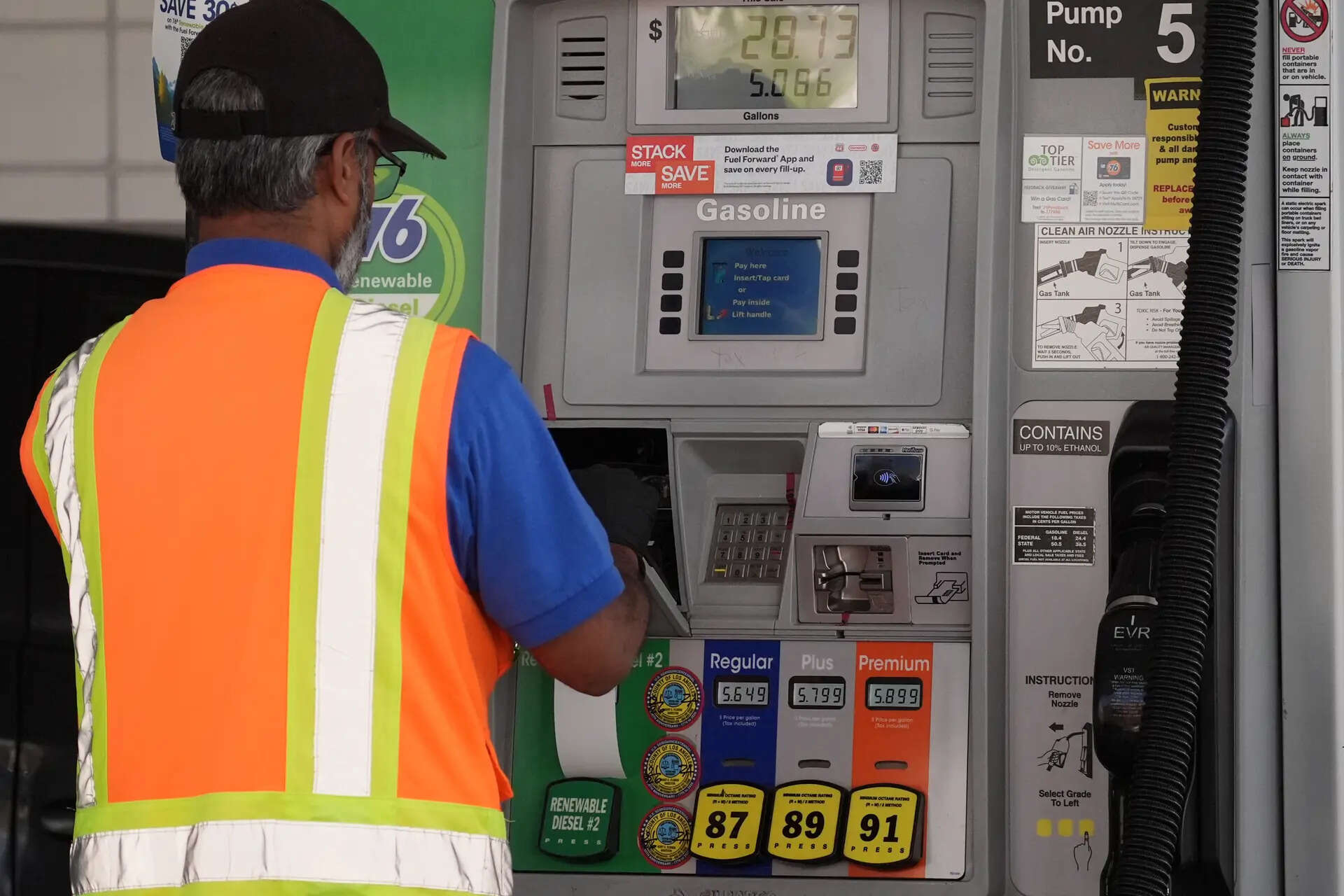
While a tentative peace deal has brought some respite at the pump, structural inflation continues to bite into household budgets across America.
For the first time since late March, American motorists are seeing a reprieve at the pump. The national average price for a gallon of regular gasoline has officially dipped to $3.999, according to data from AAA. This marginal decline follows a steady downward trend in global crude oil benchmarks, which have retreated from the staggering $126-per-barrel peak seen during the height of the Middle East conflict to levels near $75.
The primary catalyst for this shift is a tentative peace agreement between the United States and Iran, which has signaled a reopening of the Strait of Hormuz—a vital artery for global energy shipments. While this has calmed oil markets, the reality for the average consumer is far from a return to normalcy. Prices remain roughly $1 higher than they were before the war began on February 28, and current costs are still tracking 25% higher than at the same time last year.
The uneven recovery
Not every region is feeling the change equally. While 28 states have now managed to bring their average gas prices below the $4 mark, 22 states remain above that threshold. This geographic disparity highlights a fractured recovery, where the benefit of easing crude costs is being filtered through regional supply chain bottlenecks and refinery capacity constraints. Even with the dip, for a household consuming 50 gallons a month, the current average is a welcome change from the mid-May peak of $4.56, yet it remains a significant drag on disposable income.
Why it matters: The sticky nature of inflation
The obsession with the $4 benchmark obscures a more stubborn economic reality. Even as fuel prices retreat, the "sticker shock" is unlikely to vanish overnight. Experts warn that the upward pressure on the cost of living is now baked into the broader supply chain. From groceries and fertilizer to airline tickets and everyday consumer goods, the ripple effects of the past few months have been profound.
Pat Penfield, a professor of supply chain practice at Syracuse University, suggests that product prices are projected to keep climbing for the remainder of 2026. The logic is simple: inventories were severely depleted during the conflict, and the costs businesses absorbed earlier this year—such as inflated logistics and raw material expenses—are only now being passed on to the end consumer. Even if the pumps become cheaper, the "hidden" inflation in the aisles of the grocery store is likely to persist long after the geopolitical tensions subside.
Household behavioral shifts
The sustained period of high costs has forced a fundamental reassessment of household behavior. Dylan Brewer, an assistant professor at Georgia Tech’s School of Economics, notes that short-term price fluctuations have a powerful psychological and practical impact. When fuel costs bite, consumers don't just drive less; they tighten their belts on essential purchases. While a sub-$4 price point may eventually allow some families to loosen those budgets, the lag time for these savings to translate into lower transportation costs for businesses means the broader relief will likely be a slow, grinding process rather than an immediate economic rebound.
Priya Nair covers parties, elections and the business of power for PoliticalPedia.