US Emerges as Top LNG Supplier to India in May as Strait of Hormuz Stays Shut
US tops India’s LNG basket in May, imports recover to pre-war levels
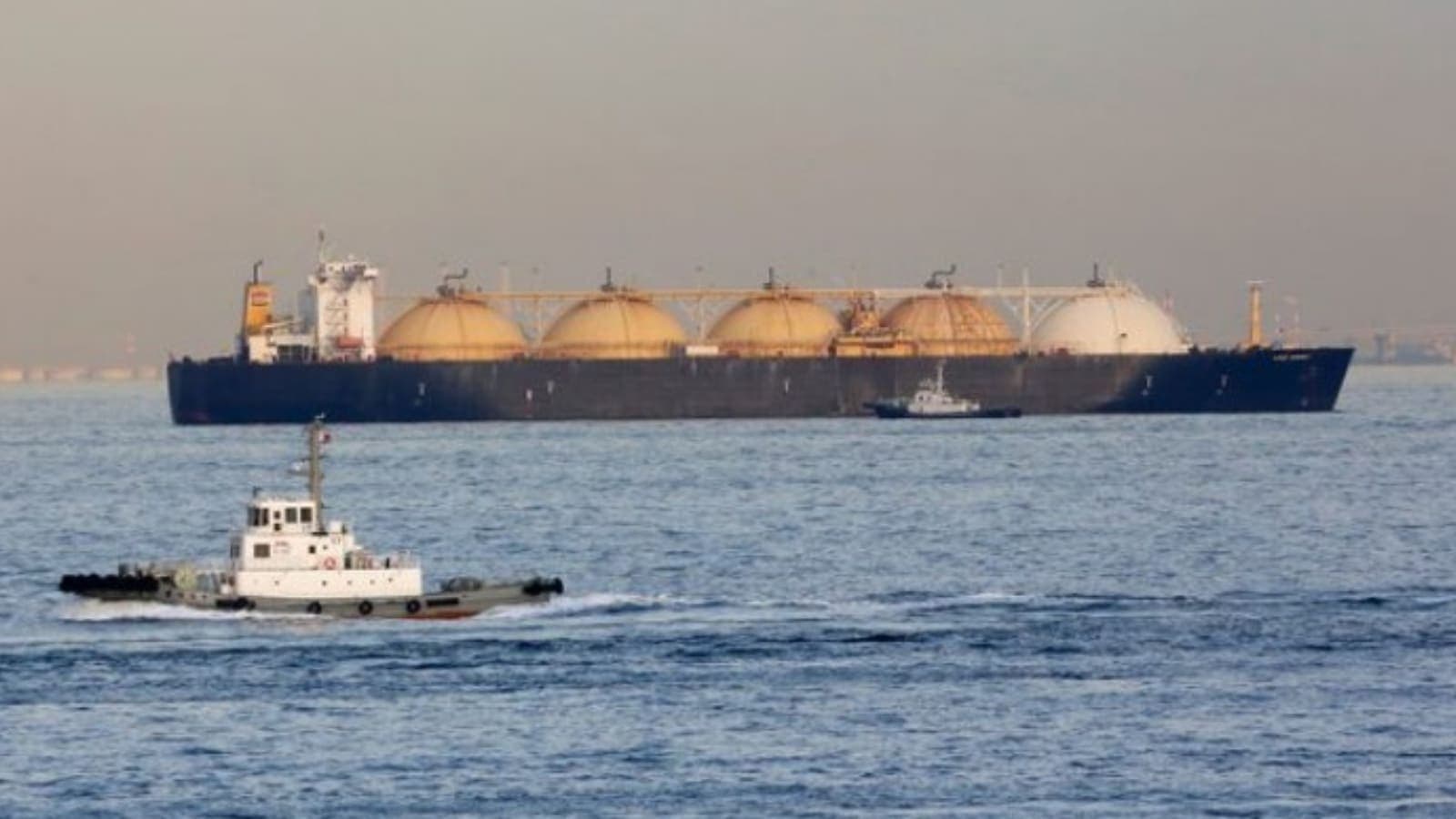
India’s liquid natural gas imports have rebounded to pre-war levels, driven by a strategic pivot toward US supplies amid persistent disruptions in Gulf shipments.
India has successfully navigated a turbulent energy landscape in May, with liquefied natural gas (LNG) imports climbing to 2.2 million tonnes—a notable 13.5% increase over April. This recovery, which brings volumes back to pre-war levels, underscores a decisive shift in India’s energy procurement strategy. With the Strait of Hormuz effectively closed, forcing a halt in shipments from primary partners Qatar and the UAE, the country has successfully scrambled to secure emergency spot cargoes from alternative geographies to keep its power, fertilizer, and city gas sectors running.
A Pivot Away from the Gulf
The closure of the Strait of Hormuz—a critical maritime chokepoint that previously accounted for 60% of India's LNG imports—has fundamentally altered the nation's supply chain. In a clear sign of this transition, no LNG volumes reached Indian shores from Qatar for the second consecutive month in May, while shipments from the UAE dwindled to just 0.1 million tonnes.
In response, importers have aggressively diversified their basket. Data from commodity market analytics firm Kpler reveals that the United States has stepped in to fill the void, with its volumes tripling to 0.9 million tonnes. This single-month surge means the US now accounts for approximately 41% of India’s total LNG arrivals, a stark contrast to the 2025 monthly average of just 0.2 million tonnes.
Prioritizing Supply Over Cost
The resilience of these supplies comes at a financial cost, as global LNG prices remain elevated. Despite the economic pressure, Indian stakeholders—ranging from fertilizer manufacturers to ceramics plants—have prioritized energy security over price sensitivity. This pragmatic approach is critical for India, which relies on imports for nearly half of its natural gas consumption.
Beyond the US, Nigeria remains a cornerstone of the new supply mix, contributing 0.5 million tonnes in May. Other notable volumes were sourced from Oman and Angola, which provided 0.3 million tonnes each. While the disruption in the Middle East initially sparked fears of a severe energy crunch, the market has stabilized through a combination of global demand curtailment and the rapid mobilization of alternative suppliers.
The Broader Energy Context
This supply shift in the gas sector comes amid a wider period of volatility for the Indian economy. While LNG imports have shown resilience, the country’s crude oil import bill remains a focal point for policymakers. Government figures indicate that while falling international oil prices have provided some relief, the high cost of the Indian crude basket continues to impact Oil Marketing Companies (OMCs), keeping the specter of retail fuel price adjustments in the public discourse.
By successfully sourcing 2.2 million tonnes in May—a figure that is 6% higher than the same month last year and 6.4% above the 2025 monthly average—India has demonstrated a robust ability to adapt to geopolitical shocks. Whether this reliance on long-haul US cargoes remains a permanent feature of the import basket will depend on the duration of the current maritime impasse in West Asia.
The PoliticalPedia Editorial Desk brings verified, sourced political news and analysis from across India.