Under the Shadow of Middle East Tensions: The Shift in Ujjwala LPG Subsidies
LPG Update: उज्ज्वला लाभार्थियों को अब 4 सिलिंडर, सब्सिडी पर नया अपडेट
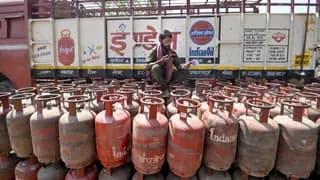
The government has recalibrated the Pradhan Mantri Ujjwala Yojana, capping annual subsidised cylinder allocations as global supply chain pressures mount.
For millions of households relying on the Pradhan Mantri Ujjwala Yojana, the kitchen budget is set for a significant shuffle. In a move that reflects the tightening grip of global energy volatility on domestic policy, the government has decided to limit subsidised LPG cylinders to four per year for beneficiaries. This LPG update marks a departure from the previous nine-cylinder threshold, a shift that is already sending ripples across the socio-economic landscape.
The decision comes at a time when the Middle East crisis has disrupted supply chains, causing the actual cost of procuring and delivering LPG to skyrocket. Petroleum and Natural Gas Ministry officials, including Additional Secretary Praveen Khanooja, have framed this as a rationalisation of resources. According to official data, the current cost of a 14.2 kg cylinder to oil marketing companies stands at approximately ₹1,600, while the retail price in cities like Delhi has been hovering around ₹942. With the government already footing a massive bill—having provided ₹52,000 crore in aid over the last two fiscal years—the pressure on the national exchequer has become impossible to ignore.
The Data Behind the Decision
While the reduction in subsidised quotas might seem drastic, the government’s internal assessment offers a different perspective. Data suggests that the average Ujjwala beneficiary consumes roughly four to five cylinders annually, meaning the new cap may not significantly alter the consumption patterns of the vast majority of households. However, the move is an attempt to stem the mounting "under-recoveries" faced by oil marketing companies, which are currently absorbing significant losses on both petrol and diesel.
The programme, which reaches over 10.60 crore connections, was originally launched to replace hazardous cooking fuels like wood and cow dung with cleaner LPG. By tightening the subsidy outflow, the administration is attempting to balance the long-term sustainability of this clean energy mission against the immediate, harsh realities of a volatile global oil market.
Why it Matters: The Bigger Picture
This policy shift is more than just a change in numbers; it is a signal of how international conflicts now dictate the pulse of domestic welfare. As multiple outlets and trackers like AajTak have pointed out, every adjustment to fuel subsidies is heavily scrutinised for its potential impact on cost-of-living indices and, inevitably, its broader political implications.
The strategy appears to be a move toward "fiscal prudence" during a period of geopolitical instability. By capping the subsidy, the government is essentially creating a buffer to ensure that the Ujjwala scheme remains functional without ballooning into a fiscal liability that could threaten other developmental priorities. For the common household, this means that while the safety net remains intact, the era of unlimited subsidised fuel is effectively over, forcing a more cautious approach to energy consumption at home.
Features Desk at PoliticalPedia covers culture, tech & life for an Indian audience in English and Hindi.