Strategic Depth: How the Zojila Tunnel is Redrawing India’s Ladakh Defence
Zojila Tunnel to add to Army’s manoeuvrability against Pakistan, China
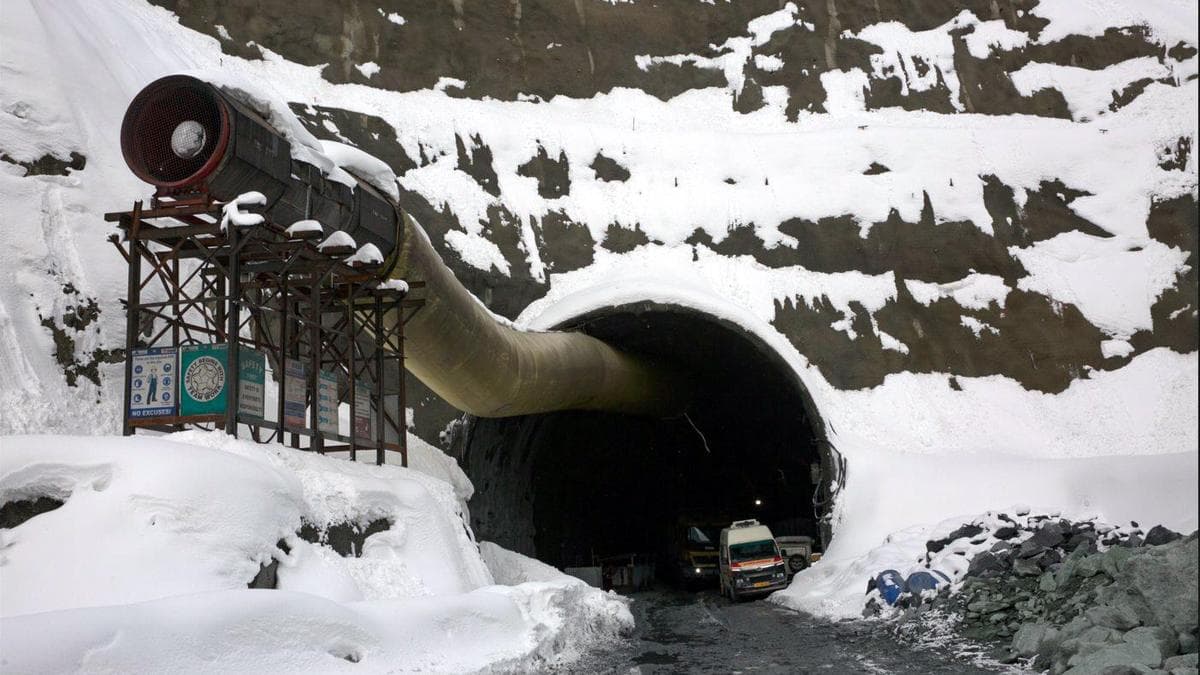
The 13.14-km passage promises year-round connectivity to Ladakh, ending the winter isolation that has long hampered the Indian Army’s readiness against cross-border threats.
For decades, the arrival of winter in the Himalayas has functioned as a natural blockade for India. As heavy snow blanketed the high passes, the Srinagar-Ladakh highway would shut down, effectively severing the region from the rest of the country for six months. This forced seasonal isolation is now set to become a relic of the past. The Zojila tunnel, a 13.14-km engineering marvel perched at 11,578 feet, is nearing completion, offering a permanent, all-weather lifeline to a region increasingly defined by its proximity to hostile neighbours.
A New Era of Military Mobility
Since the 1999 Kargil War, when the Drass-Kargil highway became a sitting duck for artillery fire, the vulnerability of Ladakh’s supply lines has been a major security headache. The 2020 skirmishes along the Line of Actual Control (LAC) only underscored the urgency: India needed the ability to fortify its forward formations without waiting for the snow to melt.
Officials from Megha Engineering & Infrastructures Ltd. (MEIL), the firm tasked with the construction, point out that the tunnel is more than just a road; it is a tactical necessity. By ensuring year-round access, the Army can move men and heavy machinery at will, stripping away the window of opportunity that adversaries like China and Pakistan have historically exploited during the winter months.
Connecting the Strategic Triangle
The Zojila tunnel is the centerpiece of a larger, ambitious "triangular corridor" designed to secure Ladakh’s borders. By linking this project with the Rohtang Pass and the Sinkula tunnel, India is creating a redundant, multi-axis network. This ensures that even if one route is compromised or under observation, the military retains multiple ways to project force into the high-altitude desert. Moving away from a single, vulnerable supply line to a robust, interconnected system is a significant upgrade in India’s posture against the dual-threat reality of the western and eastern borders.
Why it Matters: The Bigger Picture
From a desk perspective, this infrastructure push represents a fundamental shift in India's border management policy. For years, the geography of the Himalayas acted as a double-edged sword—protective in its ruggedness, but debilitating in its logistical constraints.
By investing in all-weather connectivity, India is signaling that it is no longer willing to accept "geographical attrition" as a factor in its defence strategy. The ability to maintain logistical parity with China’s border infrastructure is not merely about road building; it is about credible deterrence. If the Army can maintain its force levels and supply chains regardless of the thermometer, the calculations of adversaries looking to test India’s resolve during the deep freeze change entirely. This tunnel is less about construction and more about the quiet, concrete hardening of India's national security architecture.
Politics Desk at PoliticalPedia covers parties & elections for an Indian audience in English and Hindi.