Disaster at Visakhapatnam: 8 Killed, 6 Critical After Massive Blast at RINL Steel Plant
8 dead, 6 critical after explosion at Rashtriya Ispat Nigam Limited plant
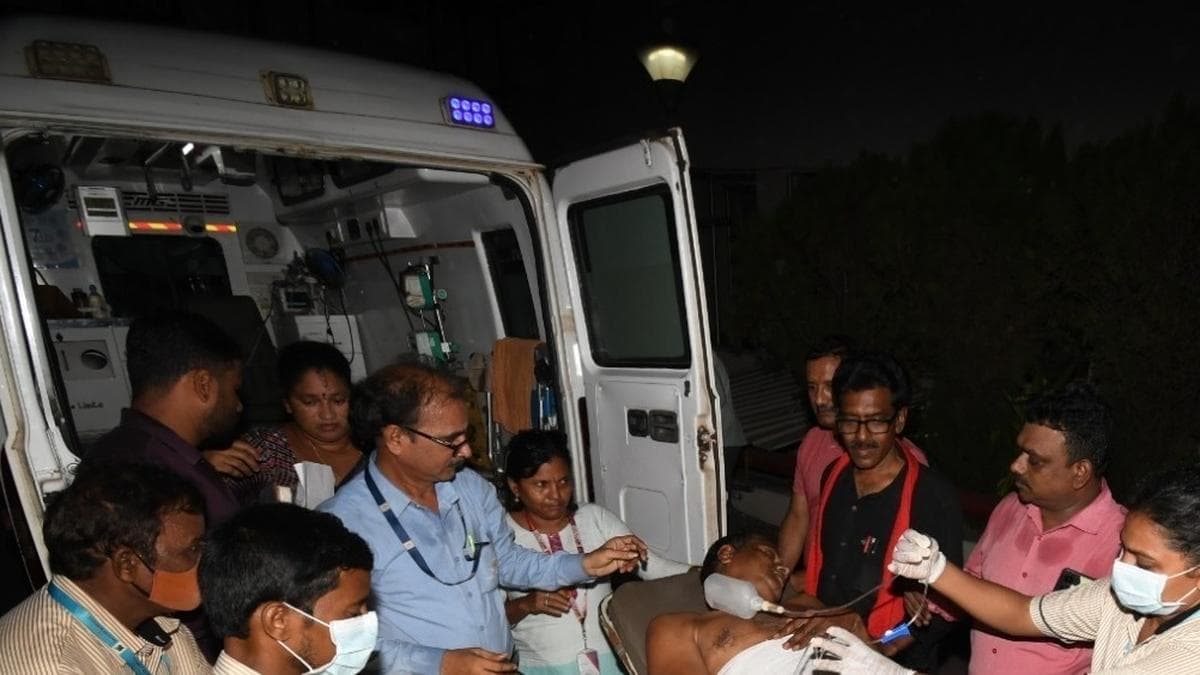
A catastrophic explosion involving molten steel has claimed eight lives, leaving rescue teams battling intense heat and smoke to recover victims at the state-run facility.
The sprawling premises of the Rashtriya Ispat Nigam Limited (RINL) in Visakhapatnam turned into a scene of industrial horror on Monday afternoon. Around 4:40 p.m., a ladle transporting molten metal at the steel melting shop unit suffered a massive explosion, triggering a cascade of fire and spilling hundreds of tonnes of liquid steel across the shop floor.
Officials confirmed that eight workers were killed in the incident. The toll includes five regular employees and three contract workers, with a manager-level officer among the deceased. As of Monday night, six other personnel—identified as R. Mallikharjuna Rao, P. Srinivasa Rao, A. Appa Rao, Satyanarayana, G. Suribabu, and Paidiraju—are battling for their lives in city hospitals with severe burn injuries, ranging from 40% to 90%.
A Race Against 1,600 Degrees
The intensity of the blast made initial relief efforts nearly impossible. Because the molten metal is maintained at an ultra-high temperature of nearly 1,600 degrees Celsius, the immediate area became a furnace. Dense smoke and towering flames trapped several staff members inside the unit, forcing emergency teams from both the steel plant and state departments to navigate hazardous, high-heat conditions.
District Collector M. Abhishikth Kishore stated that a 24x7 control room has been established at the Collectorate to coordinate with the families of the victims. M. Suresh, the District Manager of 108 Ambulance Services, noted that his team deployed 10 ambulances to the site immediately, with five vehicles remaining on standby throughout the night to assist rescue operations.
Why it matters
This tragedy at the Visakhapatnam Steel Plant casts a long shadow over industrial safety protocols in India’s heavy manufacturing sector. While the immediate focus remains on the rescue of trapped personnel and the treatment of the injured, the incident will inevitably spark a debate on the maintenance standards of aging infrastructure in public sector units. When high-pressure, high-temperature operations fail, the margin for human error—or mechanical fatigue—is non-existent. Investigators will now have to determine whether the blast was a result of equipment failure or a breach in operational safety, a process that will be closely watched by labor unions and the Ministry of Steel alike.
Prime Minister Narendra Modi has expressed his condolences and announced an ex gratia of ₹2 lakh from the PM National Relief Fund for the families of the victims. As the city waits for a full identification of the deceased, the focus shifts to how the administration manages the aftermath of one of the worst industrial accidents in the region in recent years.
World Desk at PoliticalPedia covers global affairs for an Indian audience in English and Hindi.