Tehran’s Diplomatic Outreach: Iran President Pezeshkian Invites PM Modi for Ayatollah Ali Khamenei’s State Funeral
Iran President Pezeshkian Invites PM Modi For Ayatollah Ali Khamenei’s State Funeral Next Month
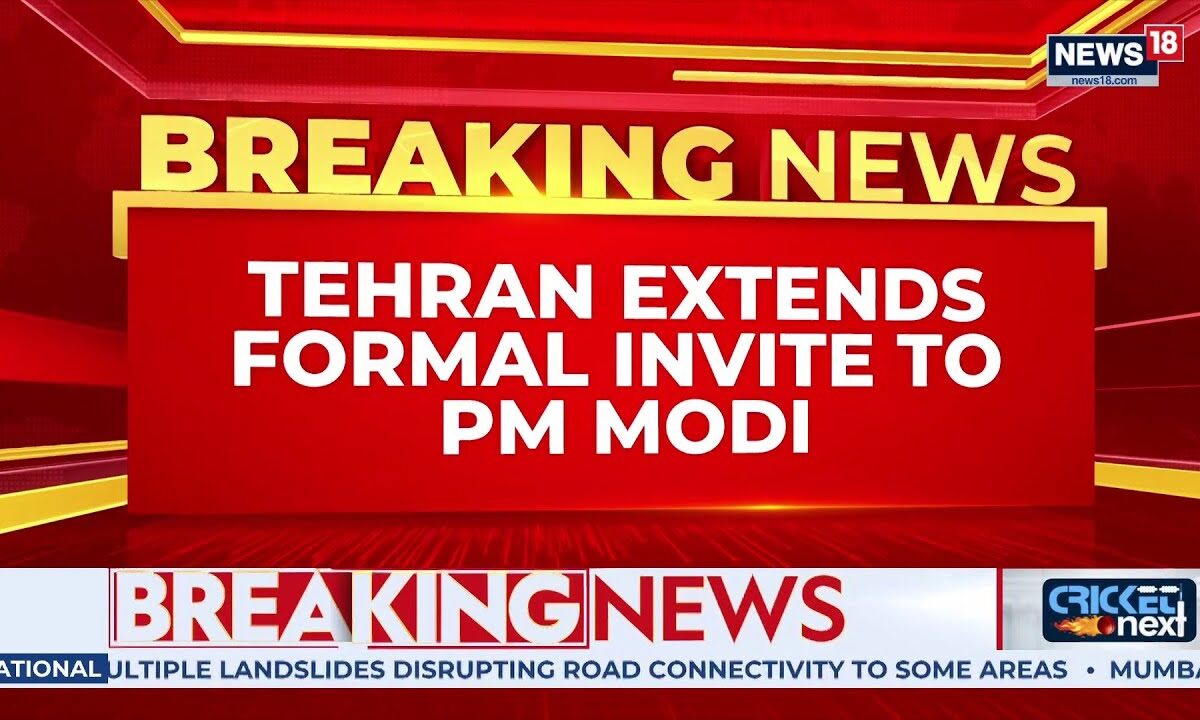
In a significant move of diplomatic signaling, Tehran has extended a formal invitation to Prime Minister Narendra Modi to attend the state funeral of Supreme Leader Ali Khamenei scheduled for next month.
The invitation, extended directly by Iran President Pezeshkian, places India at the center of a high-stakes geopolitical moment. As the international community turns its gaze toward Tehran to assess the future of Iran’s leadership, the gesture underscores the complex and strategic relationship New Delhi continues to maintain with the Islamic Republic.
While the announcement has been widely reported across media outlets—from News18 to various independent wires—the invitation serves as a clear indicator of the importance Iran places on its ties with New Delhi. Despite regional volatility and shifting alliances in the Middle East, the leadership in Tehran is looking to solidify its bilateral engagements during this transition.
The Strategic Context
India’s involvement with Iran has historically been anchored in long-term infrastructure and connectivity projects, most notably the development of the Chabahar Port. This port serves as a critical gateway for India to access Central Asia and bypass traditional land routes, making the stability of the Iranian political landscape a matter of direct economic interest for New Delhi.
The decision to invite Prime Minister Modi to the state funeral of Ali Khamenei suggests that Iran is keen to maintain continuity in its foreign policy. For India, which often maintains a policy of balanced neutrality in the Middle East, the invitation presents a diplomatic challenge. Balancing ties with Iran while managing deep-rooted strategic partnerships with other regional powers requires a nuanced approach, particularly during a leadership transition in Tehran.
Why it matters
The optics of this invite go beyond simple protocol. By extending a personal invitation to the Indian Prime Minister, the Iranian establishment is signalling that India remains a trusted, or at least a necessary, interlocutor. In an era where global attention is often diverted by distractions—be it the latest developments in cricket scores or the frantic nature of digital news cycles—this diplomatic move highlights the quieter, more foundational work of statecraft that keeps the wheels of international trade and regional security turning.
Whether New Delhi accepts the invitation remains to be seen, but the move itself reinforces the reality that India’s diplomatic footprint in the Persian Gulf is expanding. As the world watches the transition of power in Iran next month, the response from South Block will likely be measured, aimed at preserving India's strategic autonomy while acknowledging the gravity of the change occurring in a vital neighbourhood.
Rohan Gupta covers the economy, markets and companies for PoliticalPedia.