Trump Remains Upbeat on India Trade Deal Despite Looming Tariff Hurdles
Trump confident of India trade deal despite new tariff threat
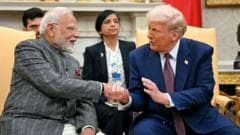
While Washington pushes for fresh levies on global exports, the US President asserts that a bilateral agreement remains within reach due to his rapport with the Indian leadership.
President Donald Trump has expressed renewed confidence that a trade deal between Washington and New Delhi is imminent, brushing aside concerns that a flurry of new tariff proposals from his administration might derail the process. Speaking from the Oval Office, the President emphasized his personal connection with the Prime Minister, suggesting that their strong working relationship would serve as the foundation for overcoming current roadblocks.
These remarks followed several days of intensive discussions in Delhi, where a delegation led by chief negotiator Brendan Lynch sought to bridge the gaps in an interim trade framework. While the Indian commerce ministry confirmed that both nations remain committed to a mutually beneficial pact, the atmosphere remains complex. Even as negotiators sat across the table, the US trade department floated a proposal to impose a 12.5% tariff on exports from numerous nations—including India—citing concerns over forced labour practices.
Navigating a Shifting Trade Landscape
The path to a final agreement has been anything but linear. After both countries outlined a framework for an interim deal earlier this year, the momentum was stalled by legal challenges in the US Supreme Court. The court’s intervention, which ruled several of the President’s previous trade measures "illegal," led to a reduction in duties on Indian goods from 50% down to 10%. This de-escalation occurred only after India committed to a massive $500 billion purchase of American energy, technology, and agricultural products.
Despite the current optimism, the shadow of the "tariff hammer" continues to influence the discourse. The President has frequently characterized India’s past trade policies as disadvantageous to the US, arguing that high barriers previously prevented fair access. However, he now claims the dynamic has shifted in favor of American interests. For India, the primary goal remains securing consistent market access to invigorate sectors like information technology and pharmaceuticals, which have struggled under the weight of fluctuating duty rates.
Challenges to Long-Term Stability
Analysts note that while the dialogue remains productive, the unpredictability of US trade policy presents a persistent challenge. The President has historically utilized economic levers to exert pressure on unrelated geopolitical issues, ranging from oil procurement strategies to broader diplomatic alignments. Because of this, even if a formal trade deal is signed, there is no absolute guarantee that future product-specific tariffs will not be introduced.
Delhi has maintained a measured stance, noting that the proposed 12.5% tariff is not yet set in stone. The US Trade Representative is expected to weigh public testimony and industry comments before finalizing the move. As both sides return to the negotiating table, the focus remains on finalizing the interim agreement that has been in the works for months. With both nations signaling a desire for a conclusion, the coming weeks will reveal whether the promise of a "great" partnership can survive the ongoing friction of global trade politics.
The PoliticalPedia Editorial Desk brings verified, sourced political news and analysis from across India.