RBI Governor Sanjay Malhotra Flags Weak Monsoon Risks to Rural Consumption and Economic Growth
Weak monsoon may impact rural demand, private consumption: RBI governor Sanjay Malhotra
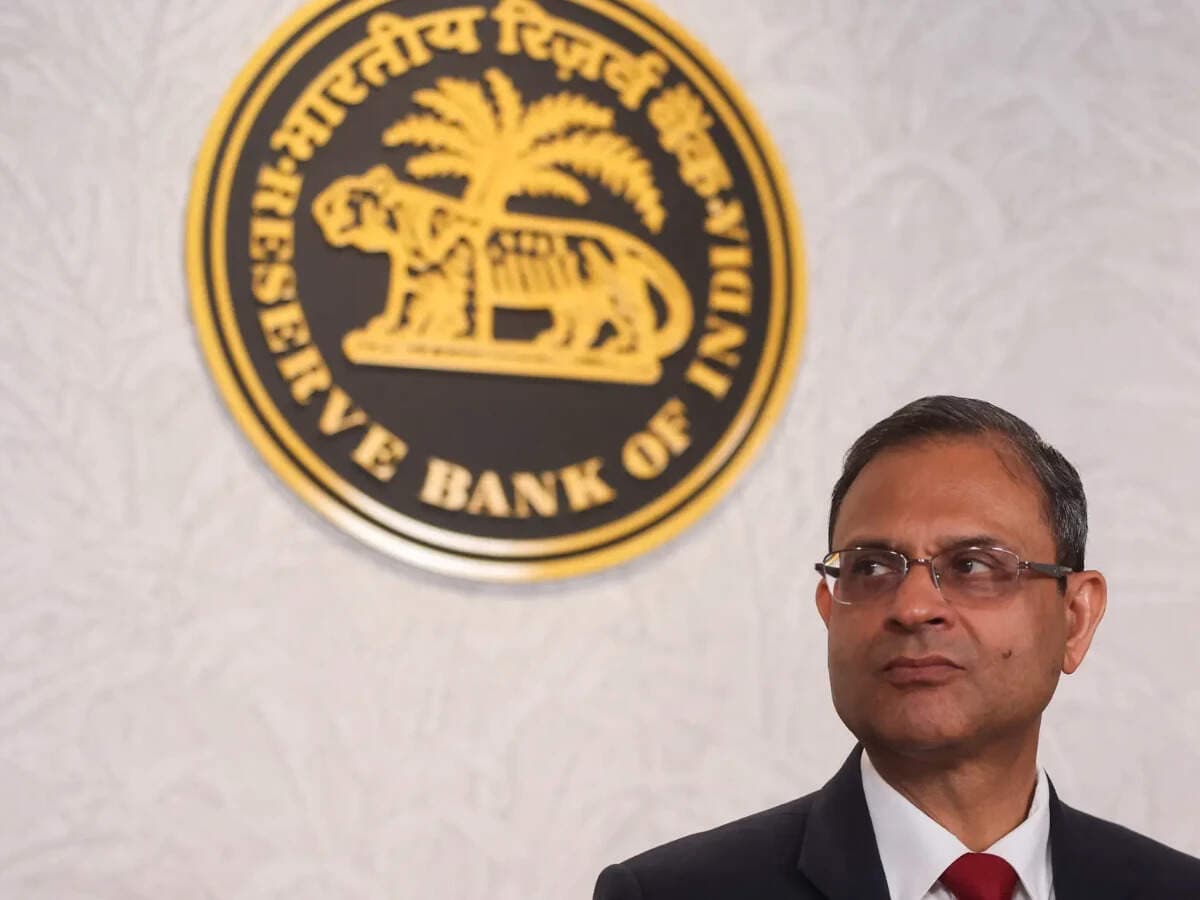
Central bank lowers FY27 growth outlook as supply chain disruptions and climate-related shocks weigh on the domestic economic landscape.
The Reserve Bank of India (RBI) has sounded a cautious note regarding the trajectory of domestic growth, with Governor Sanjay Malhotra highlighting that a projected deficiency in the south-west monsoon could dampen rural demand. Speaking at a post-monetary policy conference, the Governor acknowledged that while private consumption has remained largely resilient thus far, the agricultural sector faces a period of uncertainty that could ripple through the broader economy.
Balancing Growth Amid Climate Risks
The central bank’s latest assessment points to the monsoon as a critical variable for the fiscal year. While the RBI anticipates that various government-led initiatives—such as crop diversification, water conservation efforts, and the promotion of short-duration, climate-resilient crops—will help mitigate potential losses, the Governor admitted that "some impact will be there." This structural shift in focus is designed to protect rural livelihoods, yet the potential for reduced agricultural output remains a primary domestic risk to the growth narrative.
Global Pressures and Supply Chain Strains
Beyond weather patterns, Governor Malhotra pointed to a cocktail of global headwinds affecting the domestic outlook. Persistent volatility in international financial markets and prolonged supply chain disruptions are tempering expectations. The rising cost of energy and essential inputs has created a difficult environment, where even efforts to diversify import sources—while necessary to ensure supply—often come at a premium, adding inflationary pressures to the economic engine.
The RBI has adjusted its growth projections to reflect these realities, now forecasting GDP growth at 6.6 percent for Q1FY27, followed by 6.3 percent in Q2, 6.5 percent in Q3, and 6.8 percent in Q4. These revised figures underscore the central bank’s vigilance, as the "Goldilocks" phase of the Indian economy faces the reality of global conflict and shifting trade dynamics.
The Path Ahead
The duration of ongoing geopolitical conflicts and the speed at which global supply chains normalize will be the ultimate deciders of India's economic resilience in the coming months. Governor Malhotra emphasized that the burden-sharing approach among key stakeholders will be essential to navigating this period. While the RBI has opted to hold the repo rate steady at 5.25 percent, the decision signals a wait-and-see strategy aimed at balancing the need for price stability against the fragility of domestic demand.
For policymakers, the current challenge lies in sustaining developmental spending and infrastructure investment without exacerbating the risks posed by external shocks. As the central bank monitors these moving parts, the focus remains on whether the domestic consumption story can hold its ground against the combined weight of a weak monsoon and the unpredictable nature of global supply-side constraints.
The PoliticalPedia Editorial Desk brings verified, sourced political news and analysis from across India.