Trump asserts control over Iran talks as regional tensions flare
'I call the shots': Trump insists Iran deal on track amid fresh strikes, says Bibi has 'no choice'
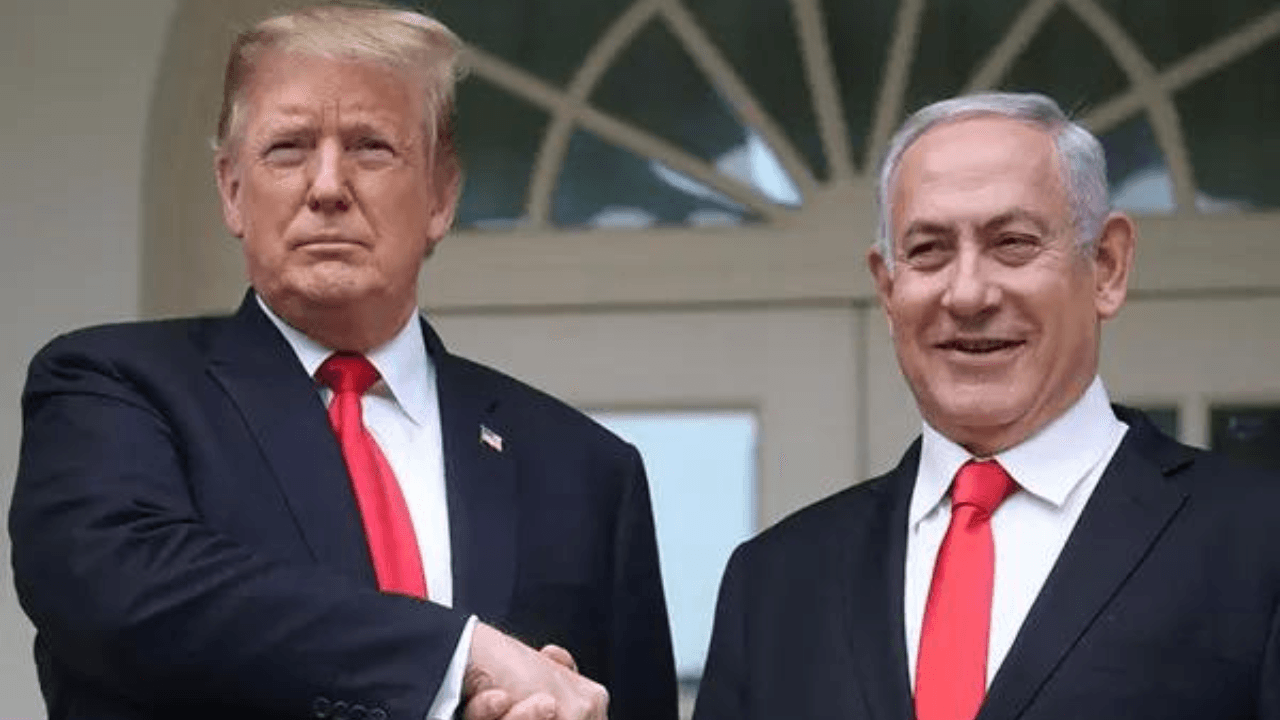
US President insists an Iran agreement remains on track despite a fresh missile exchange between Tehran and Israel that shattered the April ceasefire.
The fragile stability of the Middle East fractured once again this Sunday as Iran launched 11 missiles toward Israel, marking the first direct escalation since the April 8 truce. As smoke cleared from the strikes, the Israeli Air Force retaliated with targeted hits on Iranian military installations. Yet, in Washington, the messaging remained singularly focused on the diplomatic horizon. President Trump, dismissing the potential for this violent rupture to derail his agenda, insisted the path toward a deal remains open.
In a pointed exchange with the Financial Times, the President struck a tone of absolute command. When pressed on how Israeli Prime Minister Benjamin Netanyahu—often referred to by his nickname, Bibi—would react to a potential US-brokered accord with Tehran, Trump was blunt. He stated that Netanyahu would have no choice but to accept the framework, asserting, "I call the shots. He doesn't call the shots."
The Diplomatic Gamble
The timing of these remarks is critical. For weeks, the market’s nerves have been frayed, with investors watching geopolitical volatility closely; globally, oil prices jumped over 3% as the conflict reignited. While the nifty today tracks domestic sentiment, global commodity fluctuations remain a primary pressure point for Indian markets, which are acutely sensitive to any disruption in Middle Eastern stability.
Despite the bravado, the administration’s confidence in an imminent breakthrough appeared to waver. While Trump maintained that the missile barrage would have "no impact" on the deal's merit, he stopped short of repeating the optimistic timelines offered in earlier weeks. He characterized the latest flare-up as merely the latest chapter in a 3,000-year-old conflict, signaling a desire to insulate the negotiation process from the immediate, kinetic realities on the ground.
Why it matters
The broader implications here suggest a fundamental shift in US-Israel relations under the current administration. By publicly declaring that Netanyahu would have "no choice" but to fall in line with a Washington-led agreement, the President is signaling a pivot toward a more transactional foreign policy. This posture aims to prioritize the broader regional deal with Iran over the specific security concerns of traditional allies. If the negotiations continue to stall or if the military tit-for-tat intensifies, the US faces a stark binary: either a significant escalation of economic sanctions or a deeper, and far more dangerous, military entanglement.
For the time being, the deal remains on life support, sustained by the President’s insistence that it will either succeed on its own merits or collapse, regardless of the missiles flying in the night sky.
Business Desk at PoliticalPedia covers economy & markets for an Indian audience in English and Hindi.