Trinamool Congress in Turmoil: Internal Rebellion Threatens Mamata Banerjee’s Parliamentary Might
TMC MP Crisis Highlights: June Malia, Dev, Saayoni Ghosh, Rachana Banerjee Among MPs Backing Kakoli-Led Rebel Group
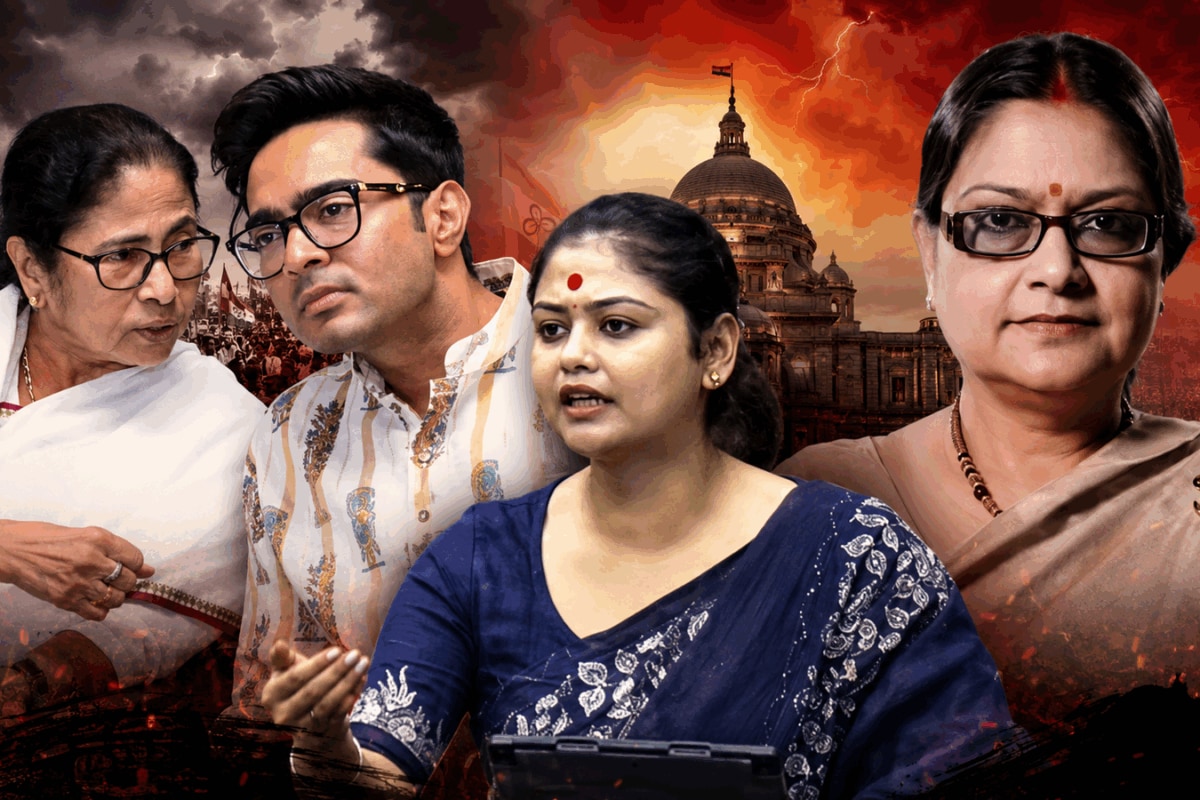
A wave of high-profile resignations and mounting dissent within the TMC ranks signals a deepening existential crisis for the party leadership in Delhi.
The corridors of power in the national capital are humming with speculation as the TMC MP crisis highlights a fracture that goes far beyond mere political disagreement. What began as whispers of dissatisfaction has morphed into an open revolt, with the party’s parliamentary bench shrinking by the day. The recent departure of Sushmita Dev, who stepped down from both the Trinamool Congress and the Rajya Sabha, has sent shockwaves through the party, marking the second such high-profile exit in just one week following the resignation of Sukhendu Sekhar Roy.
The internal crisis is no longer confined to the shadows. Sources indicate that a significant faction of lawmakers, including June Malia, Dev, Saayoni Ghosh, and Rachana Banerjee among MPs backing Kakoli-Led rebel group, are recalibrating their loyalties. The inclusion of Saayoni Ghosh in this bloc is particularly stinging for the leadership, as it further undermines the party’s strength on the floor of the House. With dissidents claiming that nearly 20 MPs are weighing their options to align with the BJP-led NDA, the arithmetic in Parliament is rapidly turning against Mamata Banerjee.
A Party at the Crossroads
The rebellion has reached a fever pitch, with senior figures openly questioning the iron-fisted style of the top brass. As the pressure mounts, the party’s central leadership is scrambling to hold its ground. TMC general secretary Abhishek Banerjee was spotted in Delhi meeting Congress leader Rahul Gandhi, ostensibly to fortify opposition unity, yet the optics are complicated by the chaos back home. This flurry of activity follows Mamata Banerjee’s own recent discussions with Sonia Gandhi, suggesting a desperate attempt to shore up alliances while the home front crumbles.
The BJP has been quick to seize the narrative. Party leader Khagen Murmu didn’t mince words, describing the developments as the "total collapse" of the TMC’s influence. He claimed that the era of Trinamool's dominance is effectively over, predicting that the party will soon be reduced to only its top two leaders. While such political rhetoric is expected, the sheer volume of departures lends a sense of urgency to the BJP's claims that the TMC is losing its grip on its own cadre.
Why It Matters
This churn represents the most significant internal challenge the Trinamool Congress has faced since its ascent to power. Historically, the party has thrived on a centralized command structure, but the current exodus suggests that the gravity holding this coalition of leaders together is weakening. If the reported number of 20 MPs shifting allegiances proves accurate, it would fundamentally alter the opposition's strength in Parliament and embolden the BJP’s expansionist strategy in Bengal.
For the TMC, the path forward is narrow. They must navigate a precarious balance: curbing the influence of the Kakoli Ghosh Dastidar-led group while preventing a domino effect that could leave the party a hollowed-out version of its former self. The next few weeks of the parliamentary session will be a litmus test for whether Mamata Banerjee can regain control or if the party is indeed entering its final chapter as a major national player.
Arjun Mehta reports on government, policy and Parliament for PoliticalPedia, in English and Hindi.