TMC’s Parliamentary Hegemony Crumbles: Rebellion Brews as Top MPs Align with Kakoli-Led Faction
TMC MP Crisis Highlights: June Malia, Dev, Saayoni Ghosh, Rachana Banerjee Among MPs Backing Kakoli-Led Rebel Group
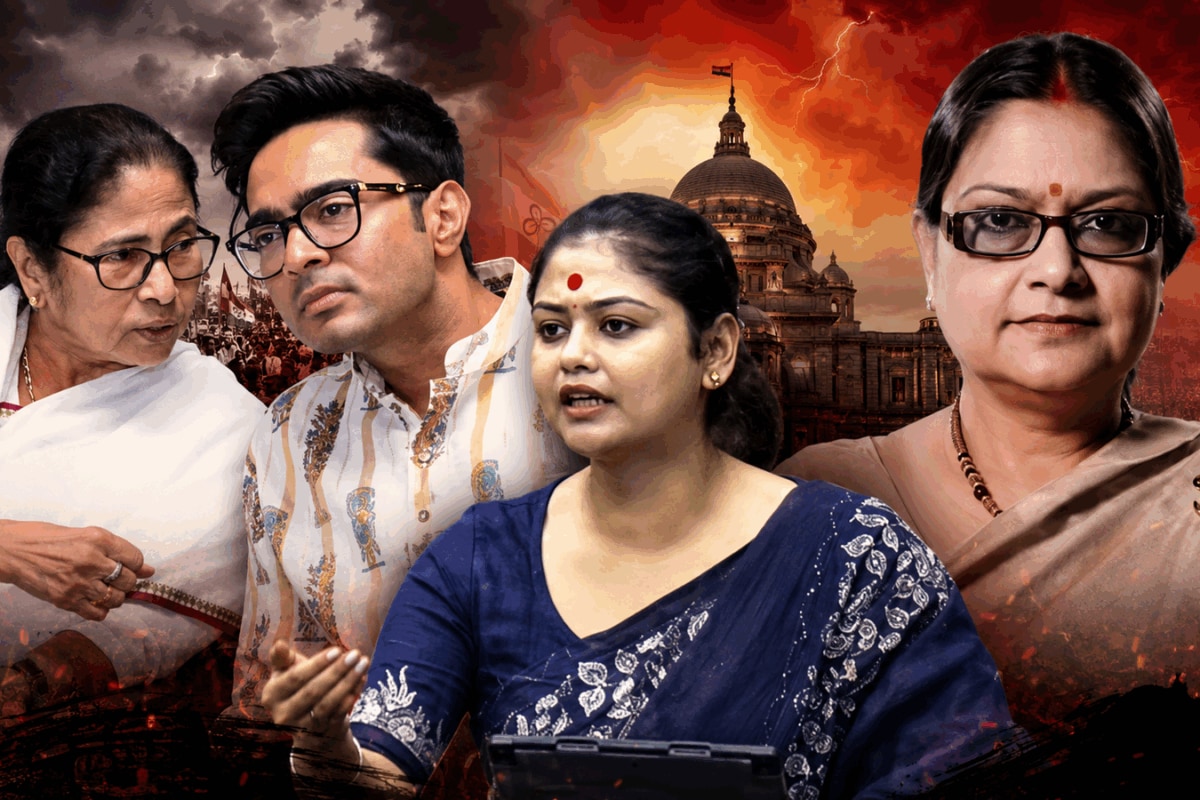
A wave of desertions and open dissent within the Trinamool Congress has sparked the biggest internal crisis for Mamata Banerjee’s party, raising questions about its future in Delhi.
The corridors of power in Delhi are abuzz with the deepening TMC MP crisis, a situation that has transformed from mere speculation into a tangible threat to the Trinamool Congress’s hold on its parliamentary contingent. The party, which once projected itself as a unified force against the BJP, is now grappling with a significant internal rift. In a move that has sent shockwaves through the leadership, notable names including June Malia, Dev, Saayoni Ghosh, and Rachana Banerjee are among MPs backing the Kakoli-led rebel group, signaling a fracture that goes far beyond the rank and file.
The rebellion gained momentum this week as high-profile departures began to hit the party’s Rajya Sabha strength. Sushmita Dev’s resignation, following closely on the heels of Sukhendu Sekhar Roy’s exit, has left the leadership scrambling to contain the damage. Dissident voices within the camp have claimed that as many as 20 MPs are currently weighing their options, with many reportedly eyeing a move toward the BJP-led NDA.
The Shifting Allegiances
The party crisis took a dramatic turn when Saayoni Ghosh, a prominent face in the Lok Sabha, reportedly joined the faction led by Kakoli Ghosh Dastidar. This shift is not just a loss of numbers; it is a tactical blow to the party’s ability to function as a cohesive bloc in Parliament. As the TMC MP crisis highlights continue to occupy the news cycle, senior leaders have begun to trade barbs openly, making the internal friction public and irreversible.
While the tremors are felt in Kolkata, the leadership has been busy in the capital. Abhishek Banerjee’s recent meeting with Rahul Gandhi—occurring just a day after Mamata Banerjee’s own dialogue with Sonia Gandhi regarding opposition unity—suggests the party is desperate to stabilize its national standing. However, the optics of these meetings have been overshadowed by the news of MPs defecting.
Why It Matters: A Party at the Crossroads
This is not merely about individual resignations; it is a fundamental challenge to the monolithic structure the Trinamool Congress has maintained for years. The pattern of dissent suggests that the party’s centralized control is fraying, and the BJP is wasting no time in exploiting the vacuum. When opposition leaders like Khagen Murmu claim that the party is headed for a "total collapse" and that eventually only the core family will remain, it reflects the narrative war currently being fought on the ground.
If this exodus continues, the Trinamool’s ability to act as a pivot for national opposition alliances will be severely compromised. The party is no longer just fighting the BJP at the ballot box; it is fighting for its own survival against an internal insurgency that threatens to hollow out its parliamentary presence from within.
Arjun Mehta reports on government, policy and Parliament for PoliticalPedia, in English and Hindi.