The Trinamool Tsunami: Sudip Bandyopadhyay’s Shift Signals a New Crisis for Mamata
Mamata's Trusted Aide Sudip Bandyopadhyay Joins Rebel TMC Camp After Meeting With Amit Shah
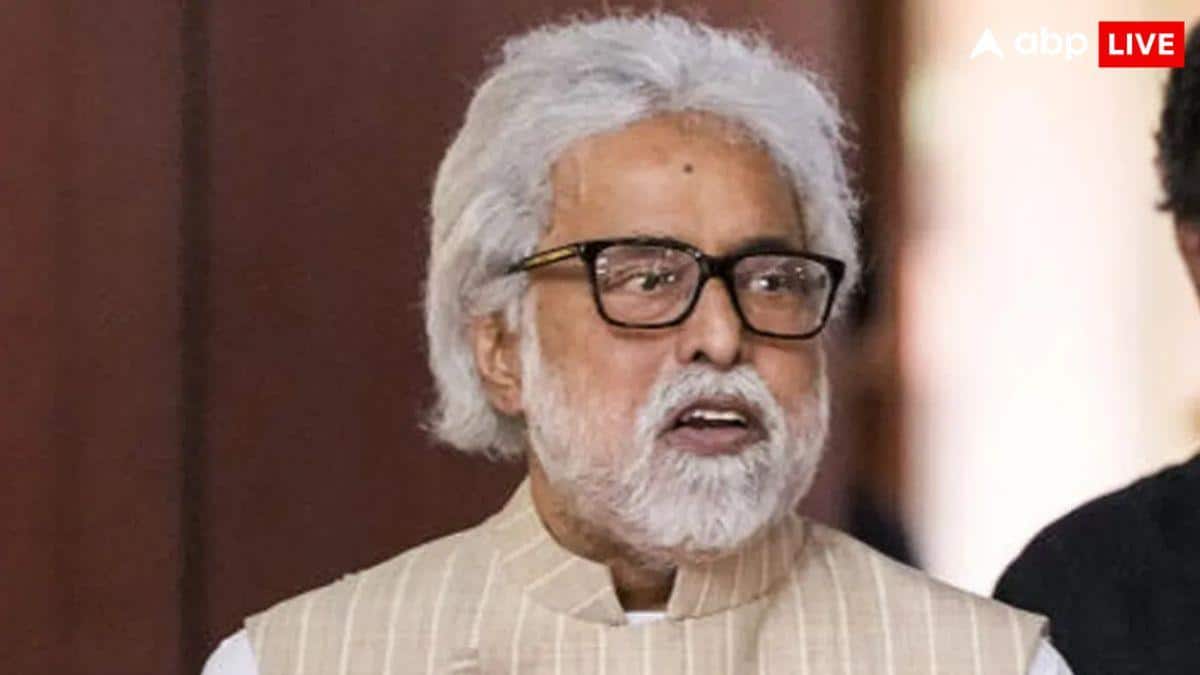
In a move that threatens to fracture the party’s parliamentary standing, a veteran leader has crossed the floor, leaving the West Bengal establishment scrambling to retain control.
The corridors of power in Delhi are rarely quiet, but this weekend, the hum of political maneuvering reached a fever pitch. In what is arguably the most significant blow to Mamata Banerjee’s leadership since the assembly election results, her trusted aide Sudip Bandyopadhyay has officially joined the rebel TMC camp. His defection, confirmed after a high-stakes meeting with Union Home Minister Amit Shah and Union Minister Bhupender Yadav, is not just a personal exit—it is a structural threat to the party’s identity in the Lower House.
The scale of the rebellion is stark. With Bandyopadhyay now firmly in the fold, the dissident faction claims the backing of 20 Lok Sabha MPs. Given that the party’s total strength in the House sits at 28, this shift isn't merely a minor internal squabble; it is a direct challenge to the party’s legislative integrity. The rebels are not wasting time, either. Plans are already in motion to meet Lok Sabha Speaker Om Birla on Monday, where they intend to stake a formal claim to be recognized as the "real" TMC parliamentary group.
The Domino Effect
Bandyopadhyay’s departure follows a worrying trend for the TMC leadership. The past week has been a blur of resignations and legal friction, from the exit of former minister Manas Bhunia to the mounting pressures involving Rajya Sabha members like Sukhendu Sekhar Ray, Sushmita Dev, and Prakash Chik Bara. For a party that prides itself on tight-knit loyalty, the rapid erosion of its veteran core suggests that the post-election fallout is far from over.
The dissident camp, having already submitted a letter to the Speaker, is signaling a clear intent to move on from the Mamata-led hierarchy. Sources within the rebel faction suggest they want the seasoned Bandyopadhyay to steer their parliamentary strategy. Before they face the Speaker, the group is expected to hold a huddle with West Bengal leader Suvendu Adhikari on Sunday, likely to cement their roadmap for the coming week.
Why it matters
The gravity of this situation goes beyond the numbers. When a leader as entrenched as Sudip Bandyopadhyay—a man long seen as the heartbeat of the party's parliamentary operations—jumps ship, it triggers a crisis of legitimacy. For observers, this is a classic case of political realignment following an electoral setback; the "winner-takes-all" dynamic of Indian politics often leaves parties vulnerable the moment their momentum stalls.
If the rebel camp succeeds in securing official recognition from the Speaker, the Trinamool Congress risks being bifurcated in the eyes of the law, creating a complicated legal and political vacuum. While the party leadership has dismissed talk of a merger, the optics of the situation suggest a deep, structural rift that a simple patch-up job can no longer fix. The coming days in Parliament will reveal whether this is the start of a new political era in West Bengal or a temporary surge of dissent.
Kabir Sharma writes on culture, technology and everyday life for PoliticalPedia.