The 'ShahNeeti' Blueprint: How Regional Parties Are Facing an Existential Crisis
I was in the undivided Shiv Sena. I know what ‘ShahNeeti’ is doing to TMC
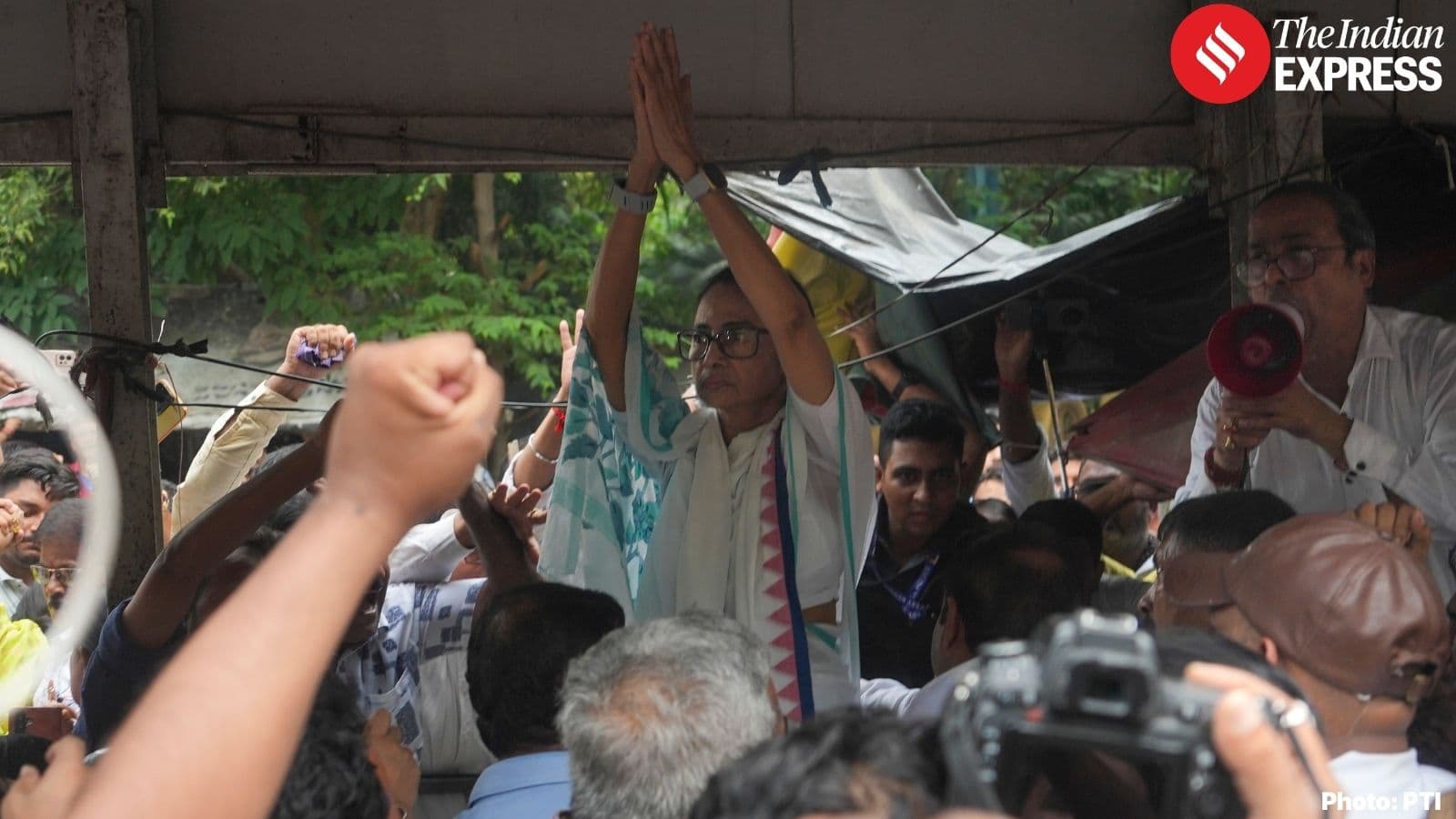
Drawing parallels from the collapse of the undivided Shiv Sena, the ongoing political churn within the TMC reveals a calculated strategy to dismantle regional strongholds.
The theatre of Indian politics has recently been defined by a recurring, clinical precision: the engineered collapse of regional power structures. Observers who witnessed the fracturing of the undivided Shiv Sena in 2022 describe a familiar pattern now emerging within the Trinamool Congress (TMC). This methodology, often referred to in political circles as 'ShahNeeti,' transcends traditional factionalism, replacing spontaneous organizational revolts with a systematic dismantling of party loyalties.
A Legacy of Engineered Exits
While political history in India is no stranger to fragmentation—notably the Congress split of 1969—the contemporary model is distinct. Unlike organic rebellions rooted in ideology or internal dissent, current movements appear to be highly orchestrated. Within the Shiv Sena, the transition from unity to division happened with startling speed. Colleagues who participated in strategy meetings at Shiv Sena Bhavan in the morning were, by sunset, identified among the defectors in Guwahati. This pattern of rapid displacement suggests a well-oiled mechanism designed to maximize psychological shock.
The Mechanics of Betrayal
For those caught in the middle of these shifts, the process is rarely uniform. During the height of the split, it became clear that motives varied wildly among the rank and file. Some members were coerced through the leverage of pending legal investigations, while others were lured by the promise of proximity to the new power center. A significant number, perhaps the most pragmatic, simply chose to align with the dominant force to secure their political survival. The result was a pervasive culture of suspicion where allies turned into adversaries within a matter of hours.
Parallels in the TMC
The current situation facing the TMC mirrors these earlier events with unsettling accuracy. As the party grapples with internal departures, the trauma of the Shiv Sena experience provides a cautionary lens. In both instances, the most damaging blows were delivered by those who once sat at the heart of the inner circle. As history shows, in the high-stakes game of regional dominance, the deepest wounds are rarely inflicted by political rivals, but by the trusted individuals who choose to abandon the fold just as the pressure intensifies.
The Strategy Behind the Scenes
What observers call 'ShahNeeti' relies on the exhaustion of the parent organization. By creating a 24-hour cycle of breaking news and constant instability, the strategy forces a state of numbness upon the remaining party members. When the initial shock of a high-profile defection passes, it is often replaced by a tactical resignation. This cycle of engineered instability serves to erode the morale of the party leadership, making the task of holding a regional organization together increasingly difficult in an environment where loyalty is treated as a temporary commodity.
The PoliticalPedia Editorial Desk brings verified, sourced political news and analysis from across India.